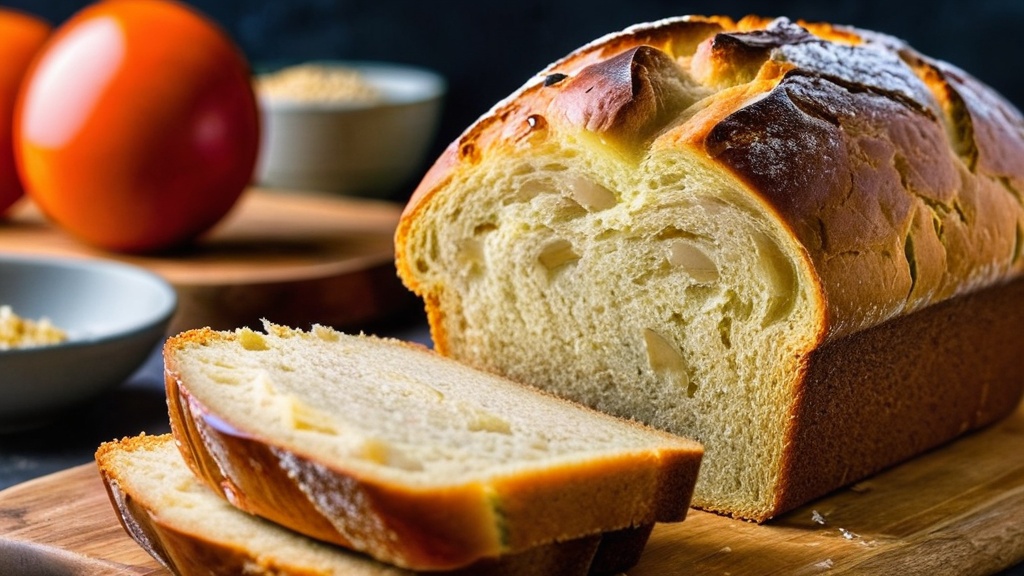
Sourdough bread is a delightful creation that has been enjoyed for thousands of years. Unlike your typical loaf, sourdough is made using a natural fermentation process, which gives it a unique tangy flavor and a chewy texture. This process relies on wild yeast and lactic acid bacteria present in the environment, rather than commercial yeast.
The result? A bread that not only tastes amazing but also has a rich history and a character all its own. The beauty of sourdough lies in its simplicity.
With just flour, water, and salt, you can create a loaf that is both nutritious and delicious. The fermentation process not only enhances the flavor but also improves the bread’s digestibility. Many people find sourdough easier on the stomach compared to other types of bread.
Plus, the crusty exterior and soft, airy interior make it perfect for sandwiches, toast, or simply enjoying with a bit of butter. So, if you’ve ever wondered what makes sourdough so special, it’s all about that natural fermentation magic! Check out the Hydration Calculator to help you determine the hydration level of your sourdough starter.
Key Takeaways
- Sourdough bread is a type of bread made from naturally fermented dough, resulting in a tangy flavor and chewy texture.
- Making a sourdough starter requires only flour and water, and involves a process of feeding and fermenting the mixture over several days.
- Essential equipment for making sourdough bread includes a kitchen scale, mixing bowls, a dough scraper, and a Dutch oven for baking.
- A step-by-step guide to making sourdough bread includes instructions for mixing the dough, bulk fermentation, shaping, proofing, and baking.
- Common sourdough bread issues such as dense texture, lack of rise, and overly sour flavor can be troubleshooted by adjusting fermentation time and temperature.
The Basics of Making Sourdough Starter
Creating a sourdough starter is the first step in your sourdough journey. Think of it as your bread’s best friend! A starter is a mixture of flour and water that captures wild yeast and bacteria from the environment.
This lively concoction will be your leavening agent, giving your bread that wonderful rise and flavor. To get started, you’ll need equal parts flour and water—typically around 100 grams of each will do nicely. Begin by mixing your flour and water in a clean jar or bowl until you have a thick paste.
Cover it loosely with a cloth or plastic wrap to allow air to circulate while keeping out unwanted pests. Place your starter in a warm spot, ideally around 70°F to 75°F (21°C to 24°C). Over the next few days, you’ll want to feed it regularly—about every 24 hours—by discarding half of the mixture and adding fresh flour and water.
You’ll know your starter is ready when it doubles in size within a few hours of feeding and has a pleasant, slightly tangy aroma. Patience is key here; good things take time!
Essential Equipment for Making Sourdough Bread
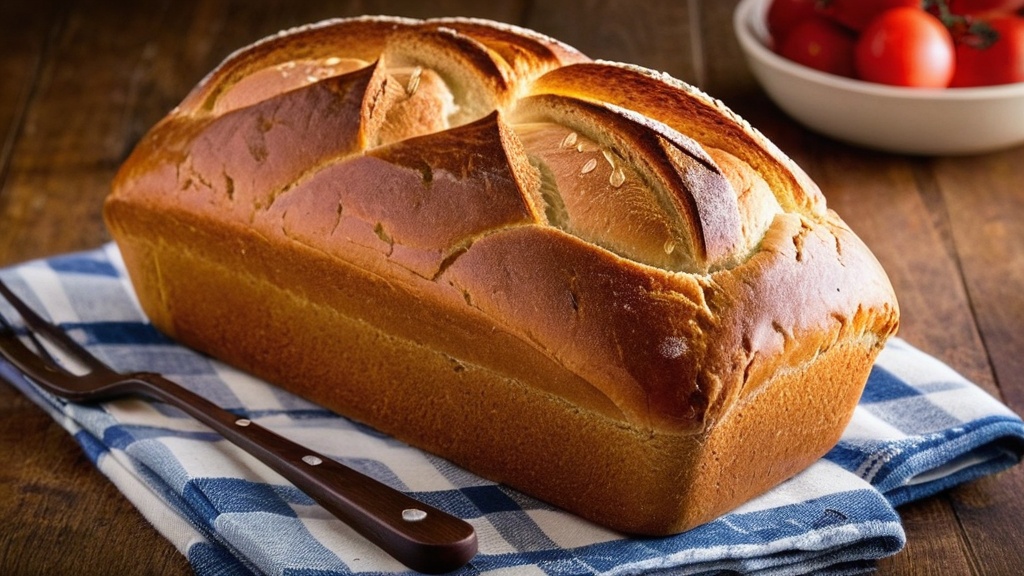
Before you dive into making your sourdough bread, let’s talk about the essential equipment you’ll need. First up is a mixing bowl—preferably glass or stainless steel—where you can combine your ingredients without any fuss. A kitchen scale is also crucial for measuring your flour and water accurately; baking is a science, after all!
If you don’t have one yet, consider investing in one; it’ll make your baking life so much easier. Next, you’ll want a bench scraper for handling your dough and shaping your loaves. A Dutch oven or baking stone is ideal for creating that perfect crust; they help retain heat and moisture during baking.
Lastly, don’t forget about a sharp knife or lame for scoring your dough before it goes into the oven. This little tool allows steam to escape while giving your bread that beautiful artisan look. With these tools in hand, you’re well on your way to becoming a sourdough superstar!
Step-by-Step Guide to Making Sourdough Bread
Now that you have your starter bubbling away and your equipment ready, let’s get down to the nitty-gritty of making sourdough bread! Start by measuring out your ingredients: typically, you’ll need about 500 grams of flour, 350 grams of water (at around 75% hydration), and 100 grams of active sourdough starter. Mix the flour and water together in your bowl until there are no dry bits left—this is called the autolyse stage and helps develop gluten.
After letting the dough rest for about 30 minutes, add in the salt (around 10 grams) and mix it in thoroughly. Now comes the fun part: kneading! You can either knead by hand or use a stand mixer with a dough hook.
If kneading by hand, use the stretch-and-fold technique—grab one side of the dough, stretch it up, and fold it over itself. Repeat this for about 10 minutes until the dough feels smooth and elastic. Once kneaded, place your dough in a lightly greased bowl and cover it with a damp cloth.
Let it rise at room temperature for about 4 to 6 hours or until it has doubled in size. During this time, you can perform stretch-and-folds every 30 minutes to help strengthen the dough further. After the bulk fermentation is complete, gently shape your dough into a round or oval loaf and let it rest for another hour before placing it in the fridge for an overnight cold proof.
On baking day, preheat your oven to 450°F (232°C) with your Dutch oven inside. Once heated, carefully transfer your dough onto parchment paper, score the top with your lame or knife, and place it into the hot Dutch oven. Cover it with the lid and bake for 30 minutes; then remove the lid and bake for an additional 15-20 minutes until golden brown.
Let it cool on a wire rack before slicing into that beautiful loaf!
Troubleshooting Common Sourdough Bread Issues
Even seasoned bakers encounter hiccups along the way, so don’t fret if things don’t go perfectly! One common issue is dense bread; this can happen if your starter isn’t active enough or if you didn’t knead the dough sufficiently. Make sure to give your starter plenty of love and attention before using it—feed it regularly and look for those telltale bubbles!
Another issue could be overly sticky dough. If this happens, try adjusting your hydration levels next time; perhaps reduce the water slightly or add more flour during kneading. Remember that every kitchen environment is different—humidity levels can affect how much water you need.
And if you find yourself with a loaf that’s too sour for your taste, consider shortening the fermentation time or feeding your starter more frequently to balance out those tangy flavors.
Different Types of Sourdough Bread Recipes
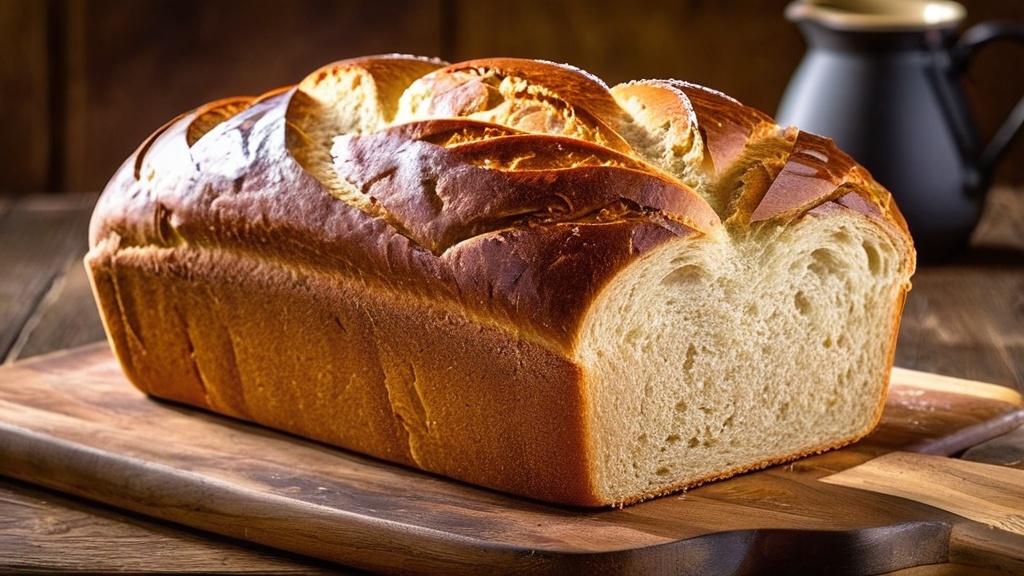
Once you’ve mastered the basic sourdough recipe, why not explore some variations? There are countless types of sourdough bread recipes out there just waiting for you to try! For instance, you can add whole grains like spelt or rye flour for added flavor and nutrition.
Or how about incorporating seeds like sunflower or pumpkin seeds for a delightful crunch? If you’re feeling adventurous, consider making flavored sourdoughs! Adding herbs like rosemary or garlic can elevate your bread to new heights.
You could even try incorporating dried fruits like cranberries or apricots for a sweet twist—perfect for breakfast or snacking! The possibilities are endless; let your creativity run wild as you experiment with different ingredients and flavors.
Storing and Preserving Sourdough Bread
Once you’ve baked that glorious loaf of sourdough bread, you’ll want to make sure it stays fresh as long as possible! The best way to store your bread is at room temperature in a paper bag or wrapped in a clean kitchen towel. This helps maintain its crust while keeping the inside soft.
Avoid plastic bags as they can trap moisture and make your crust soggy—nobody wants that! If you find yourself with leftover bread (which is rare but can happen), consider freezing it! Slice the loaf before freezing so you can grab just what you need later on.
Wrap each slice tightly in plastic wrap or foil before placing them in an airtight container or freezer bag. When you’re ready to enjoy some fresh bread again, simply toast it straight from the freezer or let it thaw at room temperature.
Tips for Perfecting Your Sourdough Bread-Making Skills
As with any skill, practice makes perfect! Don’t be discouraged if your first few loaves don’t turn out exactly as you envisioned; every bake is an opportunity to learn something new. Keep notes on what works well and what doesn’t—this will help you refine your technique over time.
Another tip is to pay attention to temperature; both room temperature and water temperature can significantly impact fermentation times. If it’s too cold in your kitchen, consider placing your dough in a slightly warmer spot or using warm water during mixing to encourage fermentation. And remember: trust your instincts!
Baking is as much about intuition as it is about following recipes. Lastly, join a community of fellow bakers! Whether online or in person, sharing experiences and tips with others can be incredibly rewarding.
You’ll find support, inspiration, and maybe even some new friends who share your passion for baking delicious sourdough bread! So roll up those sleeves, embrace the process, and enjoy every moment of creating something truly special in your kitchen!
If you’re diving into the world of sourdough with “Sourdough Bread for Beginners: A Complete Getting Started Guide,” you might also find it beneficial to explore additional resources to enhance your baking skills. A highly recommended read is the article titled “Mastering the Art of Sourdough: Tips for Perfect Loaves Every Time,” which offers valuable insights and advanced techniques to help you achieve consistently perfect sourdough loaves. You can find this article by following this link. This complementary guide will provide you with expert tips and tricks to refine your sourdough baking process and elevate your bread-making journey.
Get Your Perfect Sourdough Ratio!
FAQs
What is sourdough bread?
Sourdough bread is a type of bread made from the natural fermentation of dough using wild yeast and lactobacilli bacteria. This fermentation process gives sourdough bread its characteristic tangy flavor and chewy texture.
What are the benefits of making sourdough bread at home?
Making sourdough bread at home allows you to control the ingredients and fermentation process, resulting in a healthier and more flavorful bread. Additionally, it can be a rewarding and enjoyable hobby for many people.
What are the basic ingredients needed to make sourdough bread?
The basic ingredients for making sourdough bread include flour, water, and salt. The natural yeast and lactobacilli bacteria needed for fermentation are obtained from the flour and the environment.
How do I create a sourdough starter?
To create a sourdough starter, mix equal parts of flour and water and allow it to ferment at room temperature. Feed the starter regularly with fresh flour and water to encourage the growth of wild yeast and lactobacilli bacteria.
What is the process for making sourdough bread?
The process for making sourdough bread involves mixing the sourdough starter with flour and water to create a dough, allowing the dough to ferment and rise, shaping the dough, and then baking it in the oven.
What equipment do I need to make sourdough bread?
The basic equipment needed to make sourdough bread includes a mixing bowl, measuring cups and spoons, a kitchen scale, a dough scraper, a Dutch oven or baking stone, and a kitchen thermometer.
How long does it take to make sourdough bread?
The total time to make sourdough bread can vary, but it typically takes around 24-48 hours from start to finish. This includes the time needed for fermenting the dough and baking the bread.
Can I make sourdough bread if I am gluten intolerant?
Sourdough bread made with a long fermentation process may be easier to digest for some individuals with gluten intolerance, but it is not gluten-free. Those with gluten intolerance should consult a healthcare professional before consuming sourdough bread.

