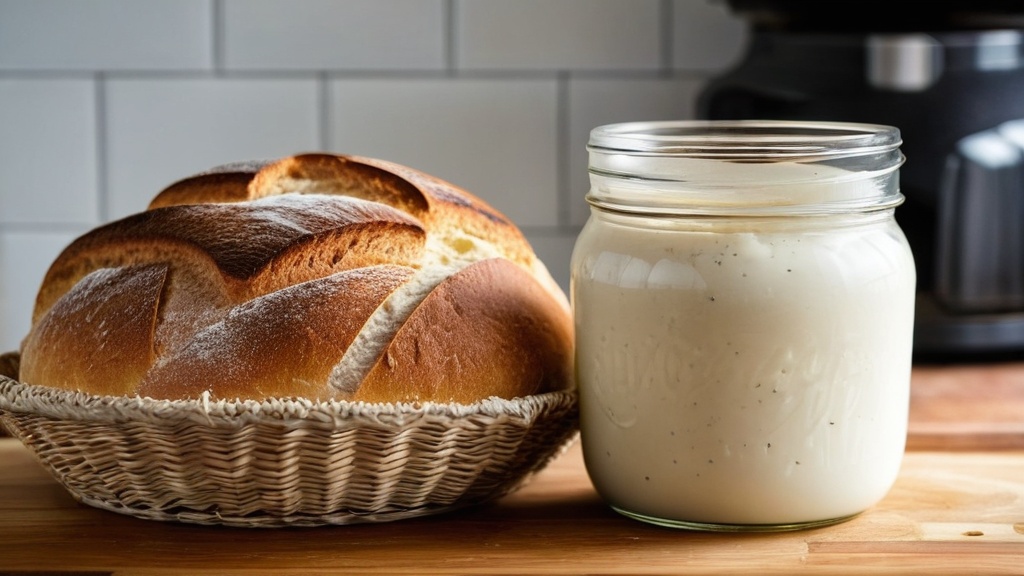
Ah, the delightful world of sourdough! If you’ve ever dabbled in baking, you know that the heart of this artisanal bread lies in its starter. This magical mixture of flour and water is home to wild yeast and bacteria, which work together to create that signature tangy flavor and airy texture we all love.
But let’s talk about something that often gets overlooked: the smells that come from your sourdough starter. Yes, my friend, your starter has a personality, and its aroma can tell you a lot about its health and readiness for baking. When you first embark on your sourdough journey, you might be surprised by the range of scents wafting from your jar.
Some smells are pleasant and inviting, while others can be downright alarming. Understanding these aromas is crucial for any baker who wants to create the perfect loaf. So, let’s dive into the fascinating world of sourdough starter smells and learn how to interpret what your starter is trying to tell you. Check out the Hydration Calculator to help you determine the hydration level of your sourdough starter.
Key Takeaways
- Sourdough starter smells can vary widely, from pleasant to unpleasant.
- Normal sourdough starter smells include a tangy, slightly sour aroma with hints of fruit or vinegar.
- Bad smells in sourdough starter, such as a strong acetone or rotten odor, indicate potential issues with the starter.
- Common causes of foul smelling sourdough starter include improper feeding, high temperatures, or contamination.
- To prevent unpleasant sourdough starter smells, maintain a regular feeding schedule, use clean utensils, and store the starter in a cool environment.
Understanding Normal Sourdough Starter Smells
First things first, let’s talk about what a healthy sourdough starter should smell like. When you open that jar, you should be greeted with a pleasant, slightly tangy aroma. It’s often described as a mix of sour milk and fresh bread, with a hint of nuttiness from the flour.
This delightful scent is a sign that your wild yeast and bacteria are happily fermenting away, creating the perfect environment for your bread-making adventures. As your starter matures, you might notice some variations in its smell. For instance, right after feeding, it may have a more pronounced yeasty scent, which is completely normal.
As it ferments over the next few hours, that tangy aroma will develop further. If you’re ever unsure whether your starter is healthy, just take a whiff! A good starter will smell fresh and slightly sour, like a warm summer day in a bakery.
Identifying Bad Smells in Sourdough Starter
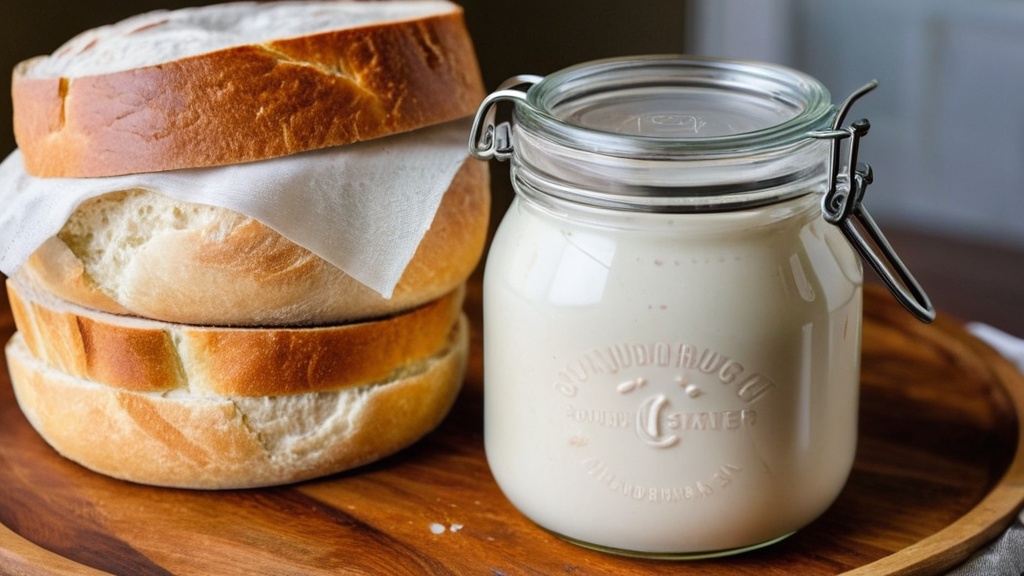
Now that we’ve covered the pleasant aromas, let’s get to the not-so-pleasant ones. If your starter has developed a smell that resembles rotten eggs or vinegar, it’s time to pay attention. These odors can indicate that something has gone awry in your fermentation process.
A strong, unpleasant smell can be a sign of over-fermentation or an imbalance in the microbial community within your starter. Another red flag is a smell reminiscent of mold or decay. If you catch a whiff of something musty or moldy, it’s best to take action immediately.
Your starter should never smell like it’s been left in the back of the fridge for too long! Trust your nose; if it doesn’t smell right, it probably isn’t right. Remember, baking should be a joyful experience, not one that leaves you questioning your olfactory senses!
Common Causes of Foul Smelling Sourdough Starter
So, what causes these foul smells in your beloved sourdough starter? One common culprit is over-fermentation. If you leave your starter unattended for too long after feeding, it can become overly acidic, leading to those unpleasant odors.
Think of it like leaving milk out on a hot day; it’s bound to go sour quickly! Another reason for bad smells could be the type of flour you’re using. Some flours have different protein contents and can affect the fermentation process.
If you’re using low-quality flour or one that’s been sitting in your pantry for ages, it might not provide the nutrients your starter needs to thrive. Additionally, if your water isn’t clean or has a high chlorine content, it can also impact the health of your starter and lead to undesirable smells.
Tips for Preventing Unpleasant Sourdough Starter Smells
Prevention is always better than cure! To keep those nasty odors at bay, there are several steps you can take. First and foremost, make sure you’re feeding your starter regularly.
A well-fed starter is a happy starter! Depending on how often you bake, you might want to feed it once a day or even twice if it’s particularly active. This will help maintain a balanced environment for the yeast and bacteria.
Another tip is to keep an eye on the temperature where you store your starter. Ideally, it should be kept at room temperature but away from direct sunlight or heat sources. If it’s too warm, it can ferment too quickly; if it’s too cold, it may not ferment enough.
Finding that sweet spot will help keep those delightful aromas coming instead of the foul ones!
Remedies for Fixing Bad Smelling Sourdough Starter
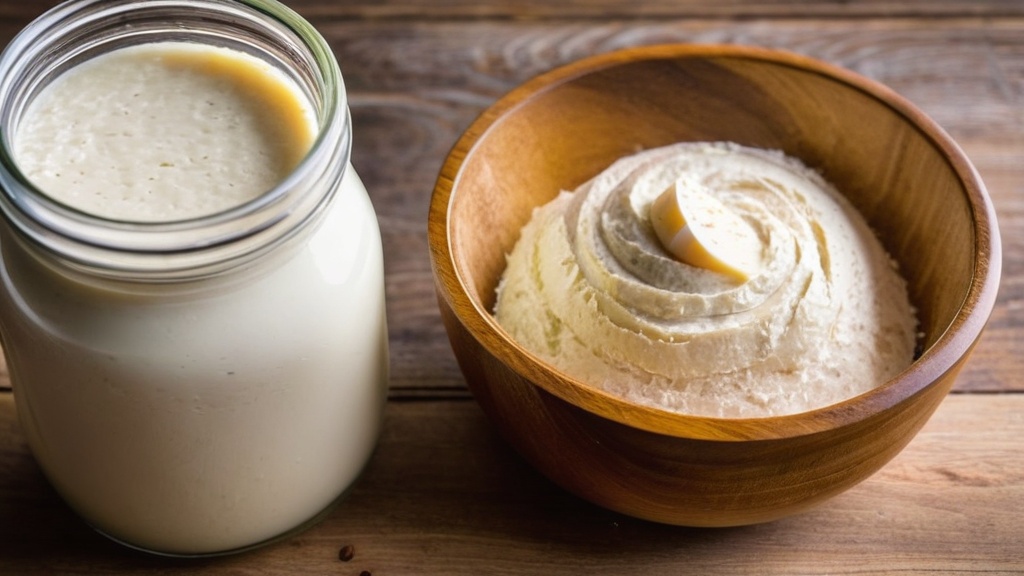
If you find yourself facing a smelly situation with your sourdough starter, don’t panic! There are remedies to help bring it back to life. First off, if the smell is mildly off but not completely rancid, try giving it a good feed with fresh flour and water.
Sometimes all it needs is a little TLC to get back on track. If the smell is more severe—like that rotten egg aroma—consider discarding a portion of your starter and feeding it with fresh ingredients. This will help dilute any unwanted bacteria or yeast that may have taken over.
Just remember to keep an eye on it after feeding; if the bad smell persists after a couple of feedings, it might be time to say goodbye to that batch and start anew.
When to Discard a Sourdough Starter
Knowing when to let go of a sourdough starter can be tough, especially if you’ve nurtured it for weeks or even months. However, there comes a time when it’s best to part ways with your starter for the sake of your baking endeavors. If your starter consistently smells bad despite multiple feedings and attempts at revival, it’s likely harboring unwanted bacteria that could ruin your bread.
Another reason to discard your starter is if you notice any signs of mold growth on the surface or around the edges of the jar. Mold can be sneaky and may not always be visible at first glance, so trust your instincts! If something feels off or looks suspicious, don’t hesitate to toss it out and start fresh with a new batch.
Maintaining a Healthy Sourdough Starter
In conclusion, maintaining a healthy sourdough starter is all about understanding its smells and knowing how to respond to them. By familiarizing yourself with the normal aromas and being vigilant about any foul odors, you’ll be well on your way to creating delicious loaves of bread that will impress friends and family alike. Remember to feed your starter regularly, keep an eye on its environment, and don’t hesitate to take action if something seems amiss.
With a little patience and practice, you’ll become a master at nurturing your sourdough starter—and who knows? You might just find yourself baking bread that rivals those fancy bakeries! So roll up those sleeves and get ready to embrace the wonderful world of sourdough baking; your taste buds will thank you!
If you’re curious about the various aromas your sourdough starter might emit and want to ensure everything is on track, you might also be interested in exploring tips for achieving the perfect loaf. A related article, Mastering the Art of Sourdough: Tips for Perfect Loaves Every Time, offers valuable insights into refining your sourdough baking skills. This article complements your understanding of sourdough starters by providing practical advice on how to transform your starter into consistently delicious bread.
Get Your Perfect Sourdough Ratio!
FAQs
What is a sourdough starter?
A sourdough starter is a mixture of flour and water that has been fermented by naturally occurring wild yeast and lactic acid bacteria. It is used as a leavening agent in sourdough bread and other baked goods.
Why does my sourdough starter smell?
Sourdough starters can emit various smells during the fermentation process. These smells can range from fruity and tangy to slightly alcoholic or even slightly unpleasant. The specific smell of a sourdough starter can be influenced by factors such as temperature, hydration, and the types of flour used.
What are normal smells for a sourdough starter?
Normal smells for a sourdough starter can include a slightly tangy or acidic aroma, reminiscent of yogurt or fermented fruit. These smells are a result of the natural fermentation process and are generally considered normal and desirable in sourdough starters.
What are signs that my sourdough starter may not be normal?
Signs that your sourdough starter may not be normal include a strong, unpleasant odor such as a putrid or rotten smell, or the presence of mold. These can indicate that the starter has been contaminated or that the fermentation process has gone awry.
How can I troubleshoot a sourdough starter with an abnormal smell?
If your sourdough starter has an abnormal smell, you can try feeding it with fresh flour and water, adjusting the hydration level, or changing the feeding schedule. If the smell persists, it may be necessary to discard the starter and start a new one to ensure a healthy and active fermentation process.

