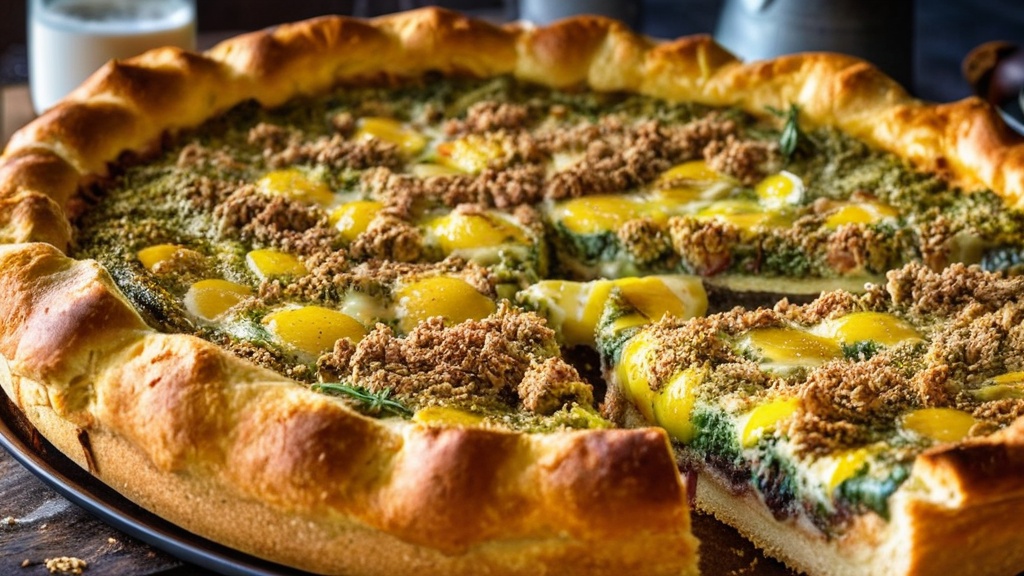
When it comes to baking, achieving the perfect dough is an art that requires both skill and patience. One of the most common pitfalls that bakers encounter is underproofed dough. This phenomenon occurs when the dough has not had enough time to rise, resulting in a final product that lacks the desired texture and flavor.
Understanding the signs of underproofed dough is crucial for anyone who wants to elevate their baking game. Whether you are a novice baker or a seasoned pro, recognizing the indicators of underproofed dough can save you from disappointment and help you create delicious baked goods. Underproofing can happen for various reasons, including insufficient fermentation time, incorrect temperature, or even a lack of yeast activity.
When you understand what underproofed dough looks and feels like, you can take corrective measures to ensure that your baked goods turn out as intended. In this article, we will explore the key signs of underproofed dough and provide you with practical solutions to remedy the situation. By the end, you will be equipped with the knowledge to identify and address underproofing, leading to more successful baking experiences.
Key Takeaways
- Underproofed dough is dough that has not been allowed to rise sufficiently before baking.
- Lack of rise is a key sign of underproofed dough, resulting in a dense texture and gummy or uncooked interior.
- A pale crust and excessive spreading are also signs of underproofed dough.
- Underproofed dough may also have a sour or unpleasant taste due to the lack of fermentation.
- To remedy underproofed dough, allow it to proof for longer or at a warmer temperature before baking.
Sign 1: Lack of Rise
One of the most telling signs of underproofed dough is its lack of rise. When you place your dough in a warm environment to proof, you expect it to expand and become airy. If you notice that your dough has barely increased in size after the recommended proofing time, it’s a clear indication that something has gone awry.
A well-proofed dough should double in size, showcasing the yeast’s activity as it ferments and produces carbon dioxide. If your dough remains stubbornly flat, it’s time to investigate further. The lack of rise can stem from several factors, including insufficient yeast or an environment that is too cold for proper fermentation.
If your kitchen is chilly, the yeast may not be active enough to create the necessary gas bubbles that cause the dough to rise. Additionally, if you’ve used old or expired yeast, it may not have the potency required for effective leavening. To avoid this issue in the future, always check the expiration date on your yeast and consider using a thermometer to ensure your proofing area is warm enough for optimal yeast activity.
Sign 2: Dense Texture
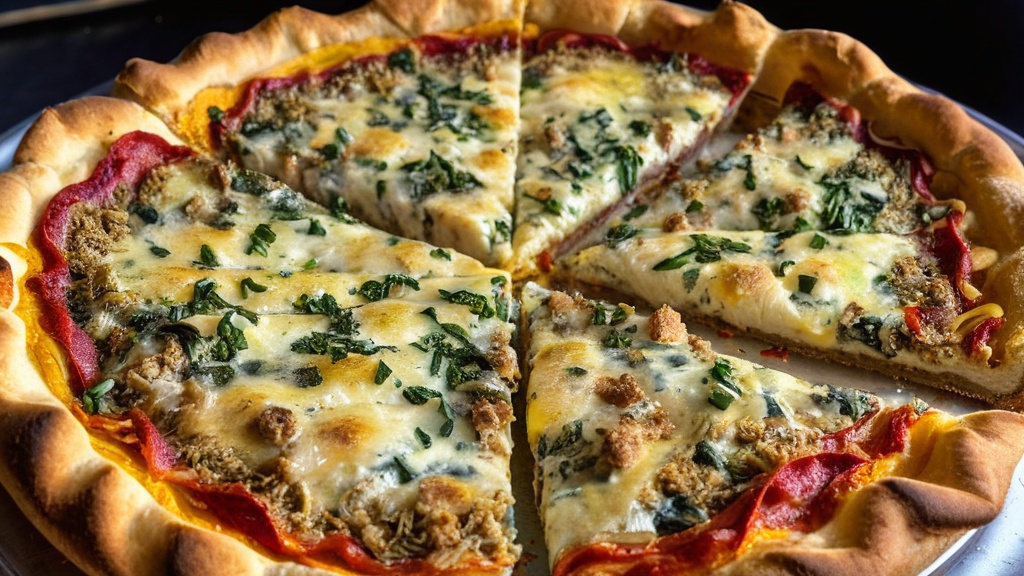
Another unmistakable sign of underproofed dough is its dense texture. When you bite into a loaf of bread or a pastry, you expect a light and airy crumb that melts in your mouth. However, if your baked goods feel heavy and compact, it’s likely that they were underproofed.
The density results from insufficient gas production during fermentation, which means that the dough hasn’t developed the structure needed to create those delightful air pockets. A dense texture can be particularly frustrating when you’ve invested time and effort into your baking. It’s essential to remember that texture is closely linked to proofing time.
If you find that your baked goods consistently turn out dense, consider adjusting your proofing process. Allowing your dough to rise for longer or creating a warmer environment can help achieve that light and fluffy texture you desire. Additionally, be mindful of how you handle the dough; overworking it can also lead to a denser final product.
Sign 3: Gummy or Uncooked Interior
If you’ve ever sliced into a loaf of bread only to discover a gummy or uncooked interior, you know how disappointing it can be. This issue often arises from underproofing, as the dough hasn’t had enough time to develop properly before baking. When dough is underproofed, it may not have fully expanded or set, leading to an unappealing texture that feels raw rather than fully baked.
The gummy interior can also be exacerbated by baking at too high a temperature or for too short a time. If your oven is too hot, the crust may form too quickly, trapping moisture inside and preventing the interior from cooking through. To combat this problem, ensure that your dough has adequately risen before placing it in the oven.
You can also use an instant-read thermometer to check for doneness; bread is typically done when it reaches an internal temperature of around 190°F (88°C). This way, you can avoid the disappointment of biting into an undercooked loaf.
Sign 4: Pale Crust
A beautifully baked loaf of bread should have a golden-brown crust that is both visually appealing and indicative of proper cooking. If you notice that your bread has a pale crust, it may be another sign of underproofing. A pale crust often suggests that the dough did not have enough time to develop flavor and color through the Maillard reaction—a chemical reaction that occurs when proteins and sugars are exposed to heat.
The lack of color on the crust can also be attributed to insufficient baking time or temperature. If your oven isn’t hot enough or if you remove the bread too soon, it may not achieve that desirable golden hue. To ensure a well-baked crust, pay attention to both proofing and baking times.
Allow your dough to rise adequately before baking and monitor it closely as it cooks. If necessary, consider adjusting your oven temperature or using techniques like steam baking to enhance crust color and texture.
Sign 5: Excessive Spreading
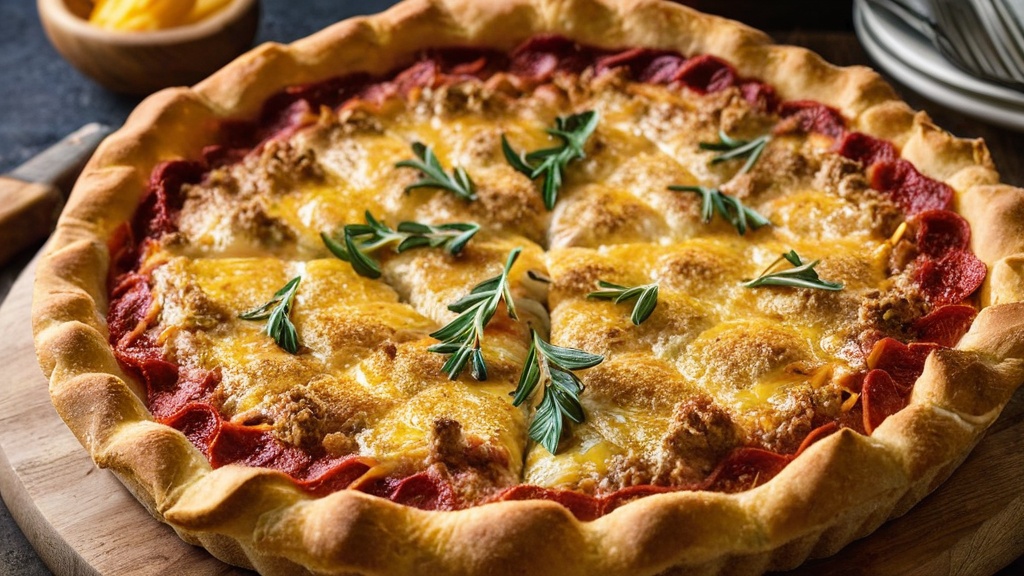
Excessive spreading during baking is another telltale sign of underproofed dough. When cookies or pastries spread too much on the baking sheet instead of holding their shape, it often indicates that they haven’t been given enough time to rise properly before hitting the oven. This spreading occurs because the gluten structure hasn’t developed sufficiently to support the weight of the dough as it bakes.
To prevent excessive spreading in your baked goods, ensure that you allow adequate proofing time for your dough. Additionally, consider chilling your dough before baking; this can help firm up the fat content and reduce spreading during baking. If you find that your cookies consistently spread too much, experiment with adjusting your recipe’s ratios or chilling times until you achieve the desired shape and texture.
Sign 6: Sour or Unpleasant Taste
While some baked goods benefit from a slight tanginess—like sourdough bread—an overwhelmingly sour or unpleasant taste is usually a sign of underproofed dough gone wrong. When dough ferments for too long without proper proofing, it can develop off-flavors due to overactive yeast or bacteria. This sourness can detract from the overall enjoyment of your baked goods and leave you questioning what went wrong.
To avoid this issue, pay close attention to your proofing times and conditions. If you notice an unpleasant taste in your baked goods, consider adjusting your fermentation process by shortening proofing times or ensuring that your ingredients are fresh and properly measured. Additionally, maintaining a clean workspace can help prevent unwanted bacteria from contaminating your dough.
What to Do About Underproofed Dough
If you find yourself dealing with underproofed dough, don’t despair; there are steps you can take to salvage your baking efforts. First and foremost, assess whether there’s still time for additional proofing before baking. If your dough hasn’t risen sufficiently but still feels workable, give it some extra time in a warm environment.
Cover it with a damp cloth or plastic wrap to retain moisture while it continues to rise. If you’ve already baked your underproofed dough and are left with dense or gummy results, consider repurposing it into something new. For instance, dense bread can be transformed into croutons or breadcrumbs, while gummy pastries might work well in a bread pudding recipe.
Learning from these experiences will only enhance your skills as a baker; each misstep provides valuable lessons for future endeavors. In conclusion, understanding the signs of underproofed dough is essential for anyone looking to improve their baking skills. By recognizing indicators such as lack of rise, dense texture, gummy interiors, pale crusts, excessive spreading, and unpleasant tastes, you can take proactive measures to ensure successful outcomes in your baking projects.
With practice and attention to detail, you’ll find yourself creating beautifully risen and delicious baked goods that will impress both yourself and those lucky enough to enjoy them.
If you’re diving into the world of sourdough baking and are concerned about whether your dough is underproofed, you might find the article “Is Your Dough Underproofed? 7 Signs & What to Do About It” particularly insightful. For those looking to further enhance their sourdough skills, consider reading another related article titled “Mastering the Art of Sourdough: Tips for Perfect Loaves Every Time.” This piece offers a wealth of tips and techniques to help you achieve the perfect loaf consistently. You can find it here.
Get Your Perfect Sourdough Ratio!
FAQs
What does it mean for dough to be underproofed?
Underproofed dough refers to dough that has not been allowed to rise for the proper amount of time. This can result in a dense and heavy final product.
What are the signs of underproofed dough?
Signs of underproofed dough include a lack of volume increase, a dense and heavy texture, a tight and tough crumb, a lack of flavor development, and a pale crust.
How can you tell if your dough is underproofed?
You can tell if your dough is underproofed by observing its lack of rise, its dense and heavy texture, and its overall lack of flavor and aroma.
What can cause dough to be underproofed?
Dough can be underproofed due to factors such as insufficient time for rising, low room temperature, low yeast activity, or using cold ingredients.
How can you fix underproofed dough?
To fix underproofed dough, you can allow it to continue rising at room temperature, or you can place it in a warmer environment to encourage yeast activity and proper rising.
What are the effects of baking underproofed dough?
Baking underproofed dough can result in a dense and heavy final product with a tight and tough crumb, as well as a lack of flavor development and a pale crust.
How can you prevent underproofed dough?
To prevent underproofed dough, ensure that you allow the dough to rise for the proper amount of time, maintain a warm and consistent room temperature, use fresh and active yeast, and allow the dough to rest and rise with patience.

