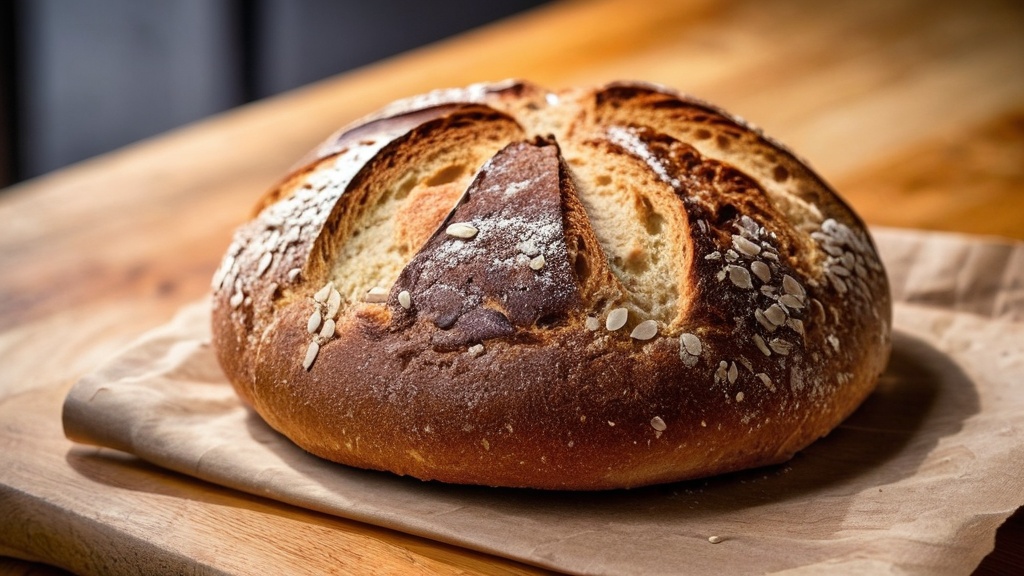
When you first place a loaf of bread in the oven, you may notice a remarkable transformation taking place. This phenomenon, known as oven spring, is a critical moment in the baking process. As the temperature rises, the gases trapped within the dough expand rapidly, causing the loaf to rise dramatically.
This initial burst of growth is essential for achieving that light and airy texture that many bakers strive for. The heat also activates the yeast, which ferments the sugars in the dough, producing carbon dioxide and alcohol. This process not only contributes to the rise but also enhances the flavor profile of your bread.
Understanding oven spring is crucial for any baker looking to perfect their craft. The ideal oven spring occurs when the dough has been properly prepared and allowed to rise adequately before baking. If you’ve ever experienced a loaf that fails to rise as expected, it’s essential to consider the factors that contribute to this phenomenon.
The right balance of ingredients, proper kneading techniques, and optimal fermentation times all play a role in ensuring that your bread achieves its full potential during baking. By grasping the science behind oven spring, you can make informed decisions that lead to better baking outcomes.
Key Takeaways
- Oven spring is the rapid rise of bread during the first few minutes of baking due to the expansion of gases trapped in the dough.
- Dense loaf despite oven spring can be caused by factors such as over-mixing the dough, using old or weak sourdough starter, or insufficient gluten development.
- Sourdough can contribute to loaf density if not properly maintained or if the fermentation process is not carefully monitored.
- Advanced solutions for addressing dense loaf despite oven spring include adjusting the hydration level of the dough, using different types of flour, and incorporating pre-ferments or enzymes.
- Over-proofing, or allowing the dough to ferment for too long, can lead to a dense loaf due to the depletion of sugars and weakening of the gluten structure.
Advanced Causes of Dense Loaf Despite Oven Spring
Even with a successful oven spring, you might find that your loaf still turns out denser than desired. This can be frustrating, especially after putting in the effort to create a beautiful dough. One advanced cause of this issue could be an imbalance in your ingredient ratios.
For instance, using too much flour or not enough water can lead to a dry dough that fails to trap air effectively during baking. Additionally, if your yeast is not active enough or if you’ve used an insufficient amount, the resulting loaf may not rise adequately, leading to a denser texture. Another factor to consider is the shaping technique used before baking.
If you don’t shape your dough properly, it can lead to poor structure and density in the final product. A well-shaped loaf should have surface tension that helps it hold its shape during baking. If you’re not confident in your shaping skills, it might be worth investing time in learning different techniques or practicing with various types of dough.
Understanding these advanced causes can help you troubleshoot and refine your baking process for better results.
The Role of Sourdough in Loaf Density
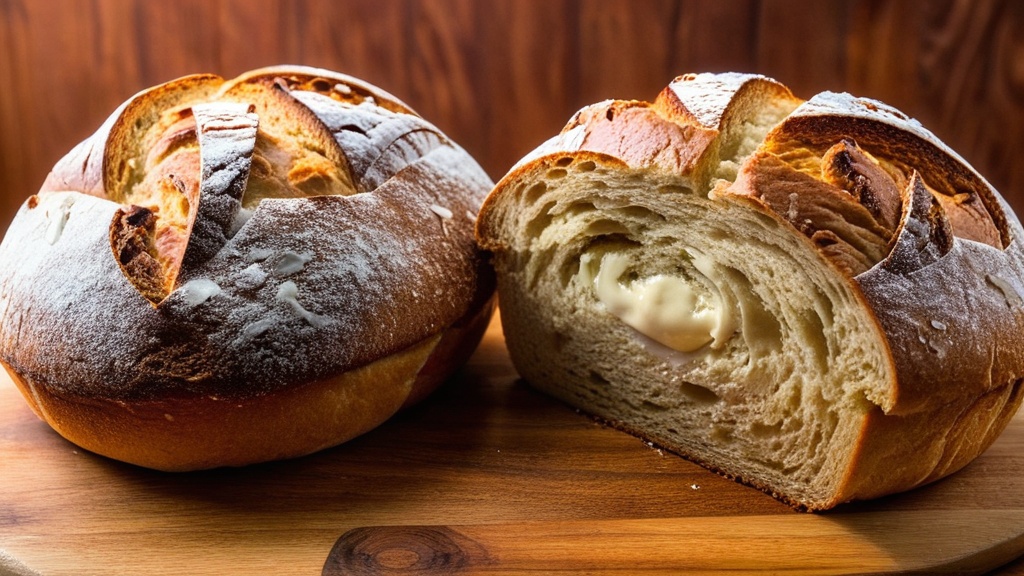
Sourdough bread has gained immense popularity in recent years, and for good reason. The unique fermentation process involved in sourdough baking contributes significantly to both flavor and texture. However, it’s essential to recognize that sourdough can also impact loaf density.
The natural leavening agents present in sourdough—wild yeast and lactic acid bacteria—create a complex environment that can either enhance or hinder your bread’s rise. If you’re working with sourdough and experiencing dense loaves, it may be due to an imbalance in your starter’s activity. A sluggish starter can lead to insufficient gas production during fermentation, resulting in a denser crumb.
Additionally, the hydration level of your sourdough can affect its density; higher hydration doughs tend to yield lighter loaves due to increased steam production during baking. By paying close attention to your sourdough starter’s health and adjusting hydration levels accordingly, you can achieve a more desirable loaf texture.
Advanced Solutions for Addressing Dense Loaf Despite Oven Spring
To tackle the issue of dense loaves despite achieving oven spring, you may need to implement some advanced solutions. One effective approach is to experiment with different types of flour. For instance, incorporating bread flour instead of all-purpose flour can provide higher protein content, which contributes to better gluten development and structure.
Additionally, consider blending flours; using a combination of whole wheat and white flour can enhance flavor while still allowing for a lighter texture. Another solution lies in adjusting your fermentation times. Over-fermentation can lead to a breakdown of gluten structure, resulting in a dense loaf.
Conversely, under-fermentation may not allow enough gas production for proper rise. Keeping a close eye on your dough during bulk fermentation and shaping stages can help you find the sweet spot for optimal rise and texture. By implementing these advanced solutions, you can significantly improve your chances of achieving a light and airy loaf.
Exploring the Impact of Over-Proofing on Loaf Density
Over-proofing is a common pitfall that many bakers encounter on their journey to perfect bread-making. When dough is left to rise for too long, it can become overly relaxed and lose its ability to hold structure during baking. This results in a loaf that may appear to have risen well initially but ultimately collapses or becomes dense once baked.
Understanding the signs of over-proofing is crucial; look for dough that has expanded significantly but lacks elasticity or springs back slowly when poked. To avoid over-proofing, it’s essential to monitor your dough closely during the final proofing stage. Factors such as temperature and humidity can greatly influence proofing times, so be prepared to adjust based on your environment.
Conducting a “poke test” can help determine if your dough is ready; if it springs back slowly but leaves a slight indentation, it’s likely at its peak. By being vigilant about proofing times and conditions, you can prevent over-proofing and achieve a more desirable loaf density.
Utilizing Advanced Fermentation Techniques to Improve Loaf Texture
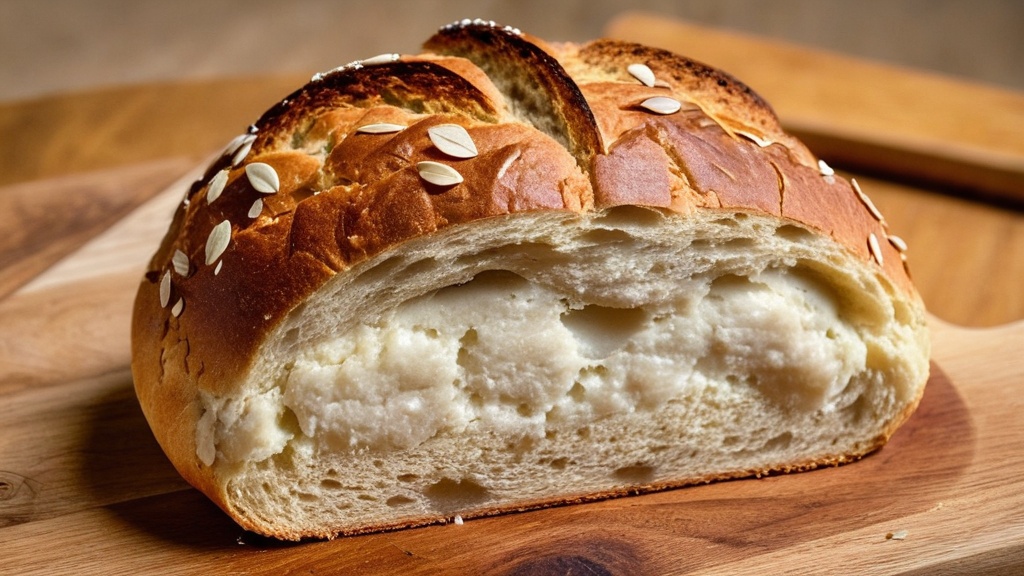
Fermentation is at the heart of bread-making, and utilizing advanced techniques can significantly enhance your loaf’s texture. One such technique is autolyse, which involves mixing flour and water and allowing it to rest before adding other ingredients like salt and yeast. This process allows enzymes in the flour to break down proteins and starches, leading to improved gluten development and a more extensible dough.
Another advanced fermentation method is cold fermentation, where you allow your dough to rise slowly in the refrigerator over an extended period. This technique not only enhances flavor but also improves texture by allowing for better gas retention and gluten structure development. Experimenting with these fermentation techniques can lead to remarkable improvements in your bread’s crumb structure and overall quality.
Addressing the Role of Gluten Development in Loaf Density
Gluten development plays a pivotal role in determining the density of your loaf. Gluten is formed when water interacts with proteins in flour, creating a network that traps gas produced during fermentation. If gluten development is insufficient, your bread may lack structure and result in a dense crumb.
Conversely, over-kneading can lead to tough bread that doesn’t rise well. To ensure optimal gluten development, focus on kneading techniques that promote strength without overworking the dough. Techniques such as stretch-and-fold or slap-and-fold can help build gluten structure without excessive kneading.
Additionally, consider incorporating rest periods during kneading; allowing the dough to relax between kneading sessions can enhance gluten formation while preventing toughness. By mastering gluten development techniques, you’ll be well on your way to achieving lighter loaves.
Advanced Baking Techniques for Achieving a Light and Airy Loaf
Finally, employing advanced baking techniques can make all the difference when it comes to achieving that coveted light and airy loaf. One such technique is using steam during the initial stages of baking. Introducing steam into your oven creates a humid environment that allows for better oven spring by keeping the crust soft for longer, enabling maximum rise before it sets.
Another technique worth exploring is using a baking stone or steel. These tools retain heat exceptionally well and provide consistent temperature throughout the baking process, resulting in better crust formation and overall texture. Additionally, consider adjusting your oven temperature; starting at a higher temperature before reducing it can create an ideal environment for both oven spring and crust development.
By incorporating these advanced baking techniques into your routine, you’ll be well-equipped to produce loaves that are not only visually appealing but also delightfully light and airy in texture. In conclusion, understanding the complexities of bread-making—from oven spring to gluten development—can empower you as a baker. By exploring advanced causes of dense loaves despite oven spring and implementing effective solutions, you’ll be on your way to creating beautiful loaves with perfect texture every time you bake.
If you’re delving into the intricacies of sourdough baking and have encountered issues like a dense loaf despite good oven spring, you might find it helpful to explore additional resources that address common baking challenges. A related article that could provide further insights is titled “Mastering the Art of Sourdough: Tips for Perfect Loaves Every Time.” This article offers a comprehensive guide to refining your sourdough technique, ensuring that each loaf achieves the desired texture and flavor. You can read more about it by visiting the following link: Mastering the Art of Sourdough: Tips for Perfect Loaves Every Time.
Get Your Perfect Sourdough Ratio!
FAQs
What is oven spring?
Oven spring refers to the rapid rise of dough during the first few minutes of baking in a hot oven. It occurs due to the expansion of gases in the dough, particularly carbon dioxide, which is released by the yeast or other leavening agents.
Why did my loaf turn out dense despite oven spring?
There are several advanced causes for a dense loaf despite oven spring, including overproofing, under-kneading, improper shaping, and using the wrong type of flour. These factors can lead to a lack of gluten development, which is essential for creating a light and airy texture in the bread.
How can I prevent a dense loaf despite oven spring?
To prevent a dense loaf despite oven spring, it’s important to carefully monitor the proofing process, ensure thorough kneading of the dough, properly shape the loaf, and use the appropriate type of flour for the recipe. Additionally, adjusting the baking temperature and time, as well as incorporating steam into the oven, can also help improve the overall texture of the bread.

