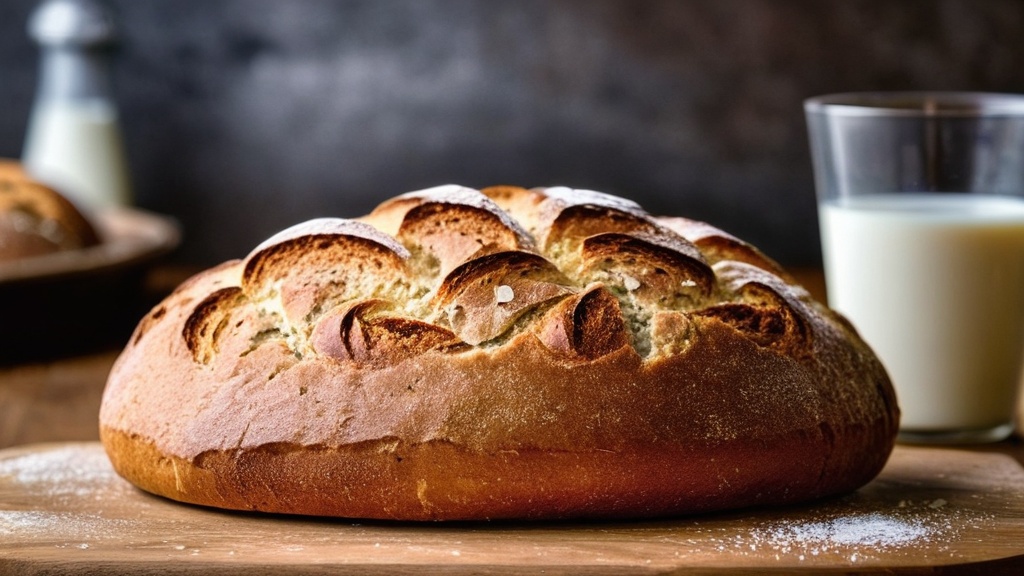
Sourdough bread has a rich and fascinating history that dates back thousands of years. It is believed that the origins of sourdough can be traced to ancient civilizations, with evidence suggesting that the Egyptians were among the first to harness the power of wild yeast and lactic acid bacteria around 1500 BThey discovered that by leaving a mixture of flour and water out, it would ferment naturally, creating bubbles and a tangy flavor. This was the birth of sourdough, and it quickly became a staple in many cultures due to its unique taste and long shelf life.
As time went on, sourdough spread across Europe and beyond, becoming a beloved bread-making method. In the Middle Ages, bakers in France and Germany began refining their techniques, leading to the development of regional sourdough varieties. The Gold Rush in the 19th century brought sourdough to the American West, where prospectors relied on it for sustenance during their travels.
Today, sourdough is celebrated not just for its historical significance but also for its artisanal qualities, with bakers around the world embracing traditional methods to create delicious loaves.
Key Takeaways
- Sourdough bread has a rich history and unique fermentation process that enhances flavor and health benefits.
- Making sourdough involves cultivating a natural starter and requires patience and care.
- Selecting the right sourdough loaf and creative packaging can make it a thoughtful and personalized gift.
- Holiday recipes and festive pairings can elevate sourdough bread as a seasonal treat.
- Proper storage techniques help maintain freshness when gifting sourdough bread.
The Benefits of Sourdough Bread
Sourdough bread is not just a tasty treat; it also comes with a host of health benefits that make it a smart choice for your diet. One of the standout features of sourdough is its unique fermentation process. The wild yeast and bacteria present in the starter break down gluten and phytic acid, making the nutrients in the bread more accessible to our bodies.
This means that sourdough can be easier to digest than other types of bread, especially for those who may have mild gluten sensitivities. Another significant benefit of sourdough is its lower glycemic index compared to conventional bread. This means that it has a gentler impact on blood sugar levels, making it a better option for those watching their sugar intake.
Plus, the presence of beneficial bacteria in sourdough can contribute to gut health, promoting a balanced microbiome. So, not only are you indulging in a delicious loaf, but you’re also doing your body a favor!
How to Make Sourdough Bread

Making sourdough bread at home may seem daunting at first, but with a little patience and practice, you’ll be baking like a pro in no time! The first step is to create your sourdough starter, which is essentially a mixture of flour and water that captures wild yeast from the environment. To get started, combine equal parts of all-purpose flour and water in a jar—about 100 grams each will do.
Stir it well, cover it loosely with a cloth or lid, and let it sit at room temperature for about 24 hours. Once your starter is bubbly and has doubled in size, it’s time to feed it! Discard half of the starter (don’t worry; you can use this in pancakes or waffles) and add another 100 grams of flour and 100 grams of water.
Repeat this feeding process daily for about five to seven days until your starter is consistently rising and falling within a few hours after feeding. Now you’re ready to bake! To make your sourdough bread, mix 500 grams of bread flour with 350 grams of water in a large bowl.
Add 100 grams of your active starter and 10 grams of salt. Mix until everything is combined into a shaggy dough. Let it rest for about 30 minutes before kneading it gently for about 10 minutes until smooth.
After kneading, place the dough in a lightly greased bowl, cover it with a damp cloth, and let it rise for about four hours at room temperature or until it has doubled in size. Once your dough has risen, gently shape it into a round loaf and place it in a well-floured proofing basket or bowl. Cover it again and let it rise for another two hours.
Preheat your oven to 450°F (230°C) with a Dutch oven inside for about 30 minutes before baking. When ready, carefully transfer your dough into the hot Dutch oven, score the top with a sharp knife or razor blade (this helps it expand while baking), cover it with the lid, and bake for 30 minutes. Remove the lid and bake for an additional 15-20 minutes until golden brown.
Let it cool completely before slicing—if you can resist the temptation!
Choosing the Perfect Sourdough Bread for Gifting
When it comes to gifting sourdough bread, choosing the right loaf can make all the difference. First, consider the recipient’s taste preferences. Do they enjoy classic flavors or are they more adventurous?
A traditional country loaf with its crusty exterior and soft interior is always a hit, while a flavored sourdough—like rosemary or olive—can add a delightful twist. If you’re unsure, you can never go wrong with a simple yet delicious plain sourdough. Another factor to consider is the occasion.
For holidays or special events, you might want to opt for a beautifully shaped round loaf or even mini loaves that can be shared among friends and family. If you’re gifting to someone who loves cooking or baking themselves, consider giving them some of your homemade starter along with instructions on how to maintain it. This way, they can embark on their own sourdough journey!
Creative Ways to Package Sourdough Bread as a Gift
Presentation is key when gifting sourdough bread! A beautifully packaged loaf not only shows thoughtfulness but also adds an extra touch of love to your gift. One simple yet effective way to package your bread is by using parchment paper tied with twine or ribbon.
This rustic look complements the artisanal nature of sourdough perfectly and allows the recipient to see the beautiful crust. For an added personal touch, consider including a handwritten note with baking tips or serving suggestions. You could also place your loaf in a decorative bread bag or basket for an extra layer of charm.
If you’re feeling crafty, why not create custom labels that include the date baked and any special ingredients used? This thoughtful detail will surely make your gift stand out!
Sourdough Bread Recipes for the Holiday Season
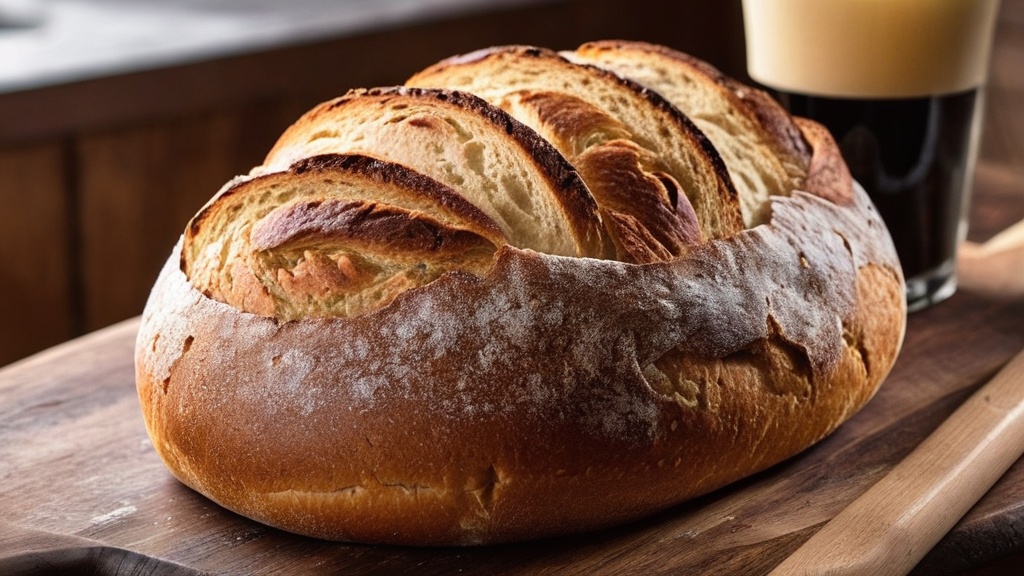
The holiday season is an excellent time to experiment with different sourdough recipes that will impress your friends and family. One delightful option is cranberry walnut sourdough bread. Simply add dried cranberries and chopped walnuts to your basic sourdough recipe during the mixing stage for a festive twist that’s perfect for holiday gatherings.
Another fun recipe is sourdough stuffing! Use stale sourdough bread as the base for your stuffing mix—just cube it up and toss it with sautéed onions, celery, herbs, and broth before baking it in the oven until golden brown. This savory dish will elevate any holiday meal and leave everyone asking for seconds!
Sourdough Bread Pairings for Christmas
Sourdough bread pairs beautifully with various holiday dishes and treats! For starters, consider serving slices alongside a charcuterie board filled with cured meats, cheeses, olives, and seasonal fruits like figs or pears. The tangy flavor of sourdough complements these rich flavors perfectly.
If you’re hosting a holiday brunch, serve your sourdough alongside creamy spreads like whipped butter or homemade jams—think cranberry or spiced apple! And let’s not forget about soup; a warm bowl of butternut squash soup paired with crusty sourdough makes for a cozy winter meal that everyone will love.
Tips for Preserving Sourdough Bread as a Gift
To ensure your gifted sourdough bread stays fresh longer, proper storage is essential! If you plan to give your loaf right away, simply wrap it in parchment paper or place it in a paper bag to allow it to breathe while keeping its crust crispy. Avoid plastic bags as they can trap moisture and make the crust soggy.
If you need to store your sourdough for an extended period before gifting, consider freezing it! Slice the loaf first (if you can resist cutting into it) and wrap each slice tightly in plastic wrap before placing them in an airtight container or freezer bag. When ready to gift, simply thaw at room temperature or pop slices in the toaster for that fresh-baked taste!
With these tips in mind, your homemade sourdough will be cherished by all who receive it!
If you’re considering gifting sourdough bread for Christmas, you might find it helpful to explore some tips on perfecting your baking skills. A great resource is the article on mastering the art of sourdough, which provides valuable insights for creating delicious loaves every time. You can read it [here](https://blog.sourdoughcalculator.app/2025/09/21/mastering-the-art-of-sourdough-tips-for-perfect-loaves-every-time/). This could enhance your bread-making experience and ensure that your holiday gifts are truly special!
Get your perfect Sour Dough Ratio!
FAQs
What makes sourdough bread a good gift for Christmas?
Sourdough bread is a thoughtful and unique gift because it is handmade, has a rich flavor, and a long shelf life. Its artisanal quality and rustic appearance make it a special treat during the holiday season.
How should sourdough bread be stored to keep it fresh?
Sourdough bread should be stored at room temperature in a paper bag or bread box to maintain its crust. Avoid storing it in plastic, which can make the crust soggy. For longer storage, it can be frozen and then thawed before use.
Can sourdough bread be personalized as a Christmas gift?
Yes, sourdough bread can be personalized by shaping it into festive forms, adding toppings like seeds or herbs, or packaging it with custom labels and gift wrapping to suit the Christmas theme.
Is sourdough bread suitable for people with dietary restrictions?
Sourdough bread is often easier to digest than regular bread due to its fermentation process, but it still contains gluten. It is not suitable for people with celiac disease or gluten intolerance unless made with gluten-free flour.
How long does homemade sourdough bread last?
Homemade sourdough bread typically stays fresh for 3 to 5 days at room temperature. Proper storage can extend its freshness, and freezing can preserve it for several weeks.
What are some popular ways to present sourdough bread as a Christmas gift?
Popular presentation ideas include wrapping the bread in festive cloth or parchment paper, pairing it with complementary items like cheese or jam, and placing it in decorative baskets or boxes.
Can sourdough bread be shipped as a Christmas gift?
Yes, sourdough bread can be shipped if properly packaged to protect it from damage and maintain freshness. Using insulated packaging and quick shipping methods helps ensure it arrives in good condition.

