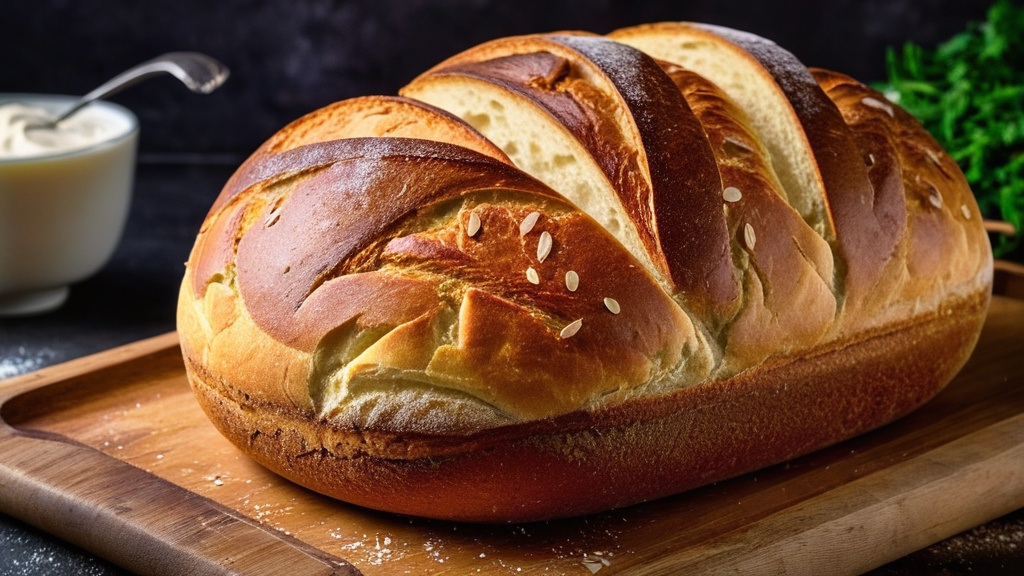
When you embark on the journey of sourdough baking, it’s essential to grasp the fundamental ingredients and the process that brings this beloved bread to life. At its core, sourdough is made from just three primary ingredients: flour, water, and salt. However, the magic lies in the fermentation process, which is driven by wild yeast and lactic acid bacteria present in the environment and in your starter. This unique combination not only leavens the bread but also imparts a distinctive tangy flavor that sets sourdough apart from other types of bread.
To begin your sourdough adventure, you’ll need to create a starter, a living culture that captures wild yeast and bacteria. This is typically done by mixing equal parts of flour and water and allowing it to ferment over several days. As you nurture your starter, you’ll notice it bubbling and rising, indicating that the wild yeast is active. Understanding this process is crucial, as it lays the foundation for successful sourdough baking. The relationship between the ingredients and the fermentation process is what ultimately leads to the deliciously complex flavors and textures that sourdough enthusiasts cherish.
If you’re looking to perfect your sourdough baking skills, you might find it helpful to check out this informative article on sourdough techniques and tips. It provides valuable insights that can enhance your baking experience and help you achieve the best results. For more information, visit this article for a comprehensive guide to sourdough recipes and methods.
Finding the Best Flour for Your Sourdough
Choosing the right flour is a pivotal step in your sourdough baking journey. While all-purpose flour can certainly be used, many bakers prefer bread flour due to its higher protein content, which contributes to better gluten development. Gluten is essential for creating the structure of your bread, allowing it to rise beautifully and hold its shape. You might also consider experimenting with whole grain flours, such as whole wheat or rye, which can add depth of flavor and enhance the nutritional profile of your bread.
When selecting flour, pay attention to its freshness and quality. Freshly milled flour can make a significant difference in your sourdough’s flavor and texture. If possible, source your flour from local mills or specialty stores that prioritize quality. Additionally, consider blending different types of flour to achieve a unique flavor profile. For instance, mixing bread flour with a small percentage of whole wheat can yield a delightful balance of taste and texture, elevating your sourdough to new heights.
The Importance of Feeding and Maintaining Your Sourdough Starter
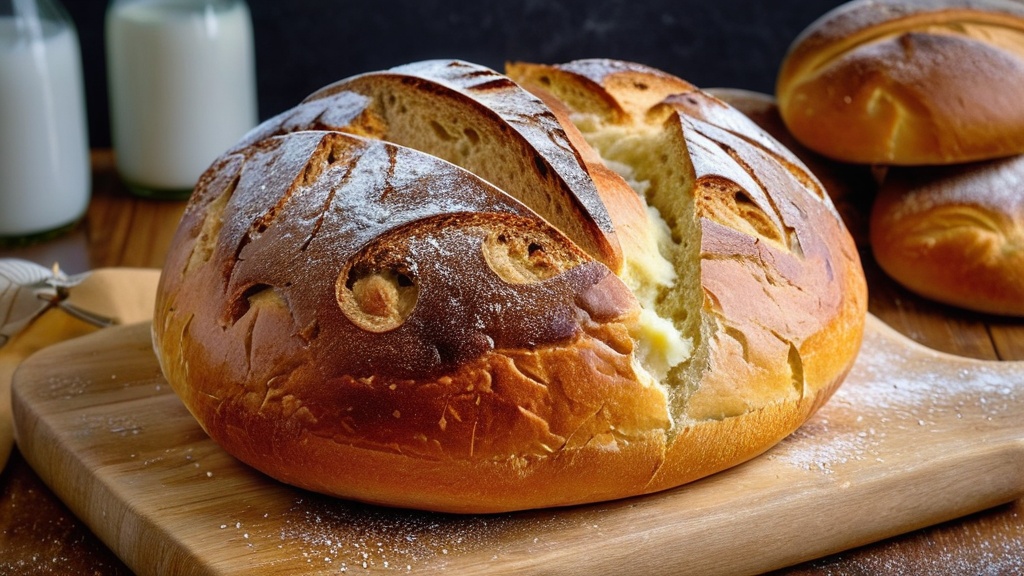
Your sourdough starter is the heart of your baking process, and understanding how to feed and maintain it is crucial for success. Regular feeding involves discarding a portion of your starter and replenishing it with fresh flour and water. This practice not only keeps your starter healthy but also ensures that it remains active and ready for baking. You may find that feeding your starter once a day is sufficient if you keep it at room temperature, but if you prefer a more hands-off approach, refrigerating it can extend the time between feedings.
Monitoring your starter’s activity is key to knowing when it’s ready for baking. Look for signs such as bubbles forming on the surface and a pleasant, slightly tangy aroma. A well-fed starter will double in size within a few hours after feeding, indicating that it’s packed with active yeast ready to leaven your dough. By developing a routine for maintaining your starter, you’ll cultivate a reliable companion in your sourdough endeavors, ensuring consistent results every time you bake.
Perfecting the Fermentation Process for the Best Flavor
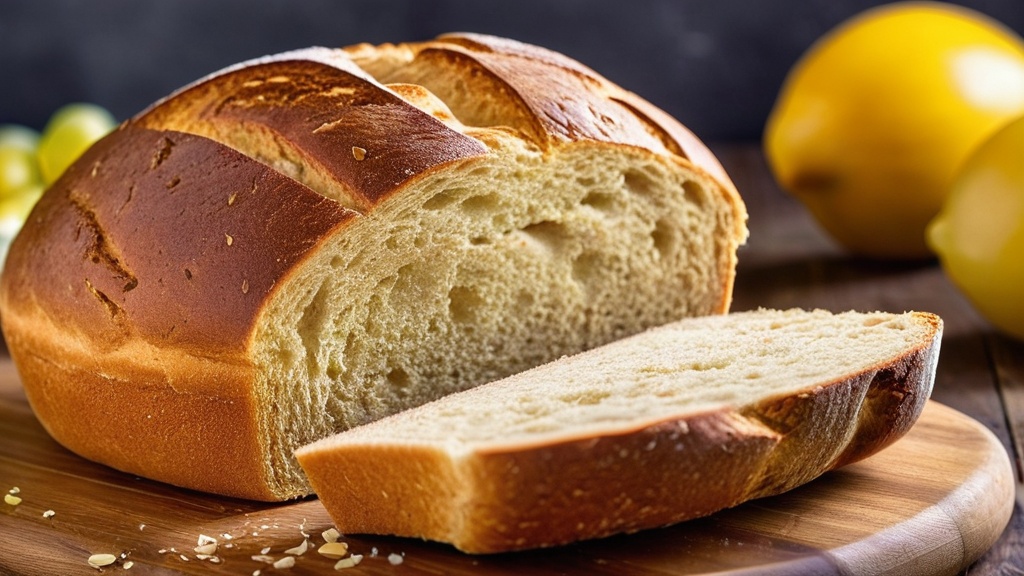
Fermentation is where the true artistry of sourdough baking comes into play. The length and conditions of fermentation can significantly influence the flavor and texture of your bread. A longer fermentation period allows for more complex flavors to develop as the wild yeast and bacteria work their magic on the dough. You might experiment with bulk fermentation times, ranging from a few hours to overnight in the refrigerator, to discover what suits your palate best.
Temperature also plays a vital role in fermentation. Warmer environments speed up fermentation, while cooler temperatures slow it down. If you’re looking for a more pronounced sour flavor, consider fermenting your dough at cooler temperatures for an extended period. Conversely, if you prefer a milder taste, a shorter fermentation at warmer temperatures may be ideal. By fine-tuning these variables, you’ll unlock a world of flavor possibilities in your sourdough bread.
If you’re looking to elevate your sourdough baking skills, you might find inspiration in a related article that offers invaluable tips for achieving perfect loaves every time. This resource provides insights into the nuances of sourdough preparation, ensuring that your baking experience is both enjoyable and rewarding. To explore these expert tips further, check out the article on mastering the art of sourdough.
Tips for Achieving the Perfect Texture and Crust
| Metric | Value | Notes |
|---|---|---|
| Hydration Level | 75% | Ratio of water to flour by weight for optimal crumb |
| Flour Type | Unbleached Bread Flour | Provides good gluten development |
| Sourdough Starter Age | 5-7 days | Fully active and bubbly starter for best rise |
| Bulk Fermentation Time | 4-6 hours | At room temperature (70-75°F) |
| Proofing Time | 2-4 hours | Final rise before baking |
| Baking Temperature | 450°F (232°C) | Preheated Dutch oven recommended |
| Baking Time | 30-40 minutes | 20 min covered, 10-20 min uncovered for crust |
| Salt Percentage | 2% | Based on flour weight for flavor balance |
Achieving the perfect texture and crust in your sourdough requires attention to detail throughout the baking process. One key factor is hydration; higher hydration doughs tend to yield a more open crumb structure with larger air pockets. However, working with wetter dough can be challenging, so it’s essential to practice techniques like stretch and fold during bulk fermentation to develop gluten strength without adding too much flour.
The crust is another critical element that contributes to the overall experience of sourdough bread. To achieve that coveted crispy crust, consider using a Dutch oven or baking stone during the baking process. These methods create a steamy environment that helps develop a beautiful crust while keeping the interior moist. Additionally, scoring your dough before baking allows for controlled expansion and adds an artistic touch to your loaves. With practice and experimentation, you’ll find the perfect balance of texture and crust that satisfies your sourdough cravings.
Baking the Perfect Sourdough: Temperature and Timing
When it comes to baking sourdough bread, temperature and timing are paramount. Preheating your oven adequately ensures that your bread rises properly during the initial stages of baking. A common practice is to preheat your oven to around 450°F (232°C) for at least 30 minutes before placing your dough inside. This high temperature creates an ideal environment for oven spring—the rapid rise that occurs when the dough first hits the heat.
Timing is equally important; keeping an eye on your bread as it bakes will help you achieve that perfect golden-brown crust. Depending on the size of your loaf and your specific oven characteristics, baking times can vary significantly. A general guideline is to bake for about 30-45 minutes, but using an instant-read thermometer can help you determine doneness more accurately. When your bread reaches an internal temperature of around 200°F (93°C), it’s ready to come out of the oven, ensuring a beautifully baked loaf every time.
Troubleshooting Common Sourdough Problems
Even seasoned bakers encounter challenges when working with sourdough, but understanding common problems can help you troubleshoot effectively. One frequent issue is underproofing or overproofing your dough. If your bread doesn’t rise as expected or has a dense texture, it may have been underproofed; conversely, if it collapses or spreads too much during baking, it may have been overproofed. Learning to recognize signs of proper fermentation will help you achieve optimal results.
Another common problem is achieving the desired crust color or texture. If your crust is too pale or soft, consider increasing the oven temperature or extending baking time slightly. On the other hand, if it’s too dark or burnt, reducing the temperature or covering the loaf with foil during baking can help prevent excessive browning. By keeping these troubleshooting tips in mind, you’ll be better equipped to navigate any challenges that arise during your sourdough journey.
Enhancing Your Sourdough with Flavorful Additions and Variations
Once you’ve mastered the basics of sourdough baking, you might want to explore creative ways to enhance your loaves with flavorful additions and variations. Incorporating ingredients like herbs, cheese, nuts, or dried fruits can elevate your bread from ordinary to extraordinary. For instance, adding rosemary and garlic creates a savory loaf perfect for accompanying soups or stews, while incorporating dried cranberries and walnuts results in a delightful sweet treat.
You can also experiment with different types of flours or grains to create unique flavor profiles. For example, using spelt flour can impart a nutty taste while adding whole grains like oats or barley can enhance texture and nutrition. Don’t hesitate to get creative; sourdough is incredibly versatile, allowing you to tailor each loaf to suit your preferences or seasonal ingredients available in your kitchen.
In conclusion, embarking on a sourdough baking journey opens up a world of flavors and textures that are both rewarding and enjoyable. By understanding the basics of ingredients and processes, selecting quality flour, maintaining a healthy starter, perfecting fermentation techniques, achieving ideal texture and crust, mastering baking temperatures and timing, troubleshooting common issues, and exploring flavorful variations, you’ll be well on your way to creating delicious homemade sourdough bread that delights both yourself and those lucky enough to share in your creations. Happy baking!
Get Your Perfect Sourdough Ratio!
FAQs
What are the basic ingredients needed for the best sourdough recipe?
The basic ingredients for the best sourdough recipe typically include flour, water, salt, and a sourdough starter, which is a natural leavening agent made from fermented flour and water.
How long does it take to make sourdough bread from start to finish?
Making sourdough bread usually takes between 12 to 48 hours, including the time needed for fermenting the starter, mixing, bulk fermentation, shaping, proofing, and baking.
What is a sourdough starter and how do you maintain it?
A sourdough starter is a mixture of flour and water that captures wild yeast and bacteria from the environment to naturally leaven bread. It is maintained by regularly feeding it with fresh flour and water to keep the microorganisms active.
Why is sourdough bread considered healthier than regular bread?
Sourdough bread is often considered healthier because the fermentation process breaks down gluten and phytic acid, making nutrients more bioavailable and easier to digest. It also has a lower glycemic index compared to regular bread.
Can you use different types of flour in a sourdough recipe?
Yes, you can use various types of flour such as whole wheat, rye, or spelt in sourdough recipes. Different flours affect the flavor, texture, and fermentation time of the bread.

