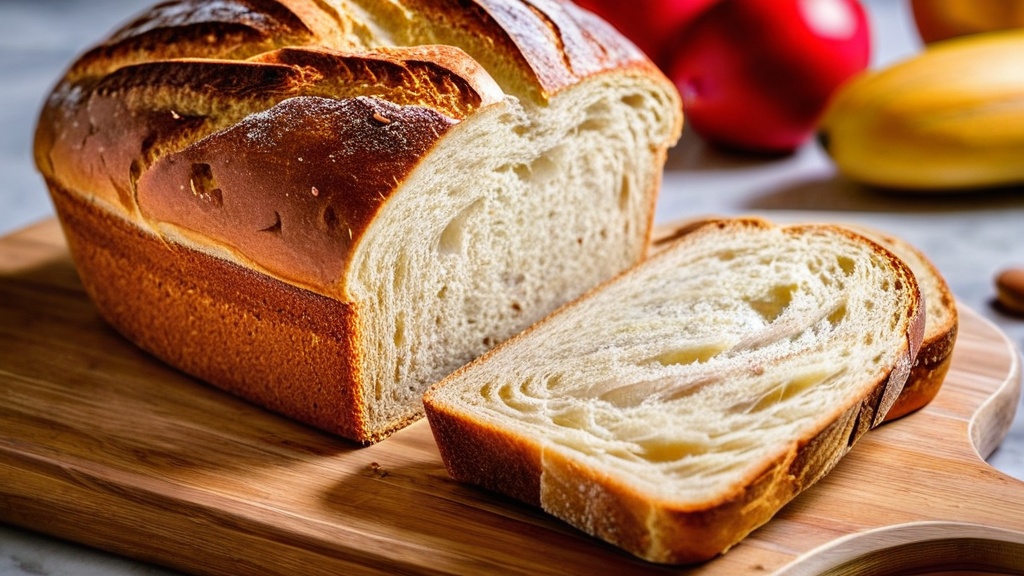
Sourdough baking is an art that has captivated home bakers and professional chefs alike for centuries. The allure of creating a loaf of bread that is not only delicious but also steeped in tradition is hard to resist. As you embark on this journey, you will discover that sourdough is more than just a method of baking; it’s a way to connect with the past, engage with the present, and savor the fruits of your labor. The process of nurturing a sourdough starter, watching it bubble and grow, is akin to tending to a living organism, and the rewards are well worth the effort.
In recent years, sourdough has surged in popularity, especially among those seeking to bake at home. The unique tangy flavor and chewy texture of sourdough bread are unmatched by commercial varieties. As you delve into the world of sourdough, you will find that it offers a sense of accomplishment and creativity. Whether you are a seasoned baker or a complete novice, the journey of sourdough baking invites you to experiment, learn, and ultimately enjoy the satisfaction of creating something truly special.
If you’re looking to dive into the world of sourdough baking, a great starting point is the article on the best beginner sourdough recipe available at Sourdough Calculator Blog. This resource provides step-by-step instructions that are easy to follow, making it perfect for those who are new to the art of sourdough. With helpful tips and a clear breakdown of the process, you’ll be well on your way to creating delicious homemade bread in no time.
Understanding the Basics of Sourdough Starter
At the heart of sourdough baking lies the sourdough starter, a mixture of flour and water that captures wild yeast and bacteria from the environment. This living culture is what gives sourdough its distinctive flavor and texture. As you begin your sourdough journey, understanding how to create and maintain a starter is essential. The process may seem daunting at first, but with patience and practice, you will soon find yourself developing a robust starter that can be used in countless recipes.
Creating a sourdough starter involves mixing equal parts flour and water and allowing it to ferment over several days. During this time, you will notice bubbles forming as the yeast begins to multiply. It’s important to feed your starter regularly by discarding a portion and adding fresh flour and water. This feeding process not only keeps your starter healthy but also enhances its flavor profile. As you nurture your starter, you will develop a deeper appreciation for the science behind fermentation and how it transforms simple ingredients into something extraordinary.
Gathering the Ingredients for the Beginner Sourdough Recipe
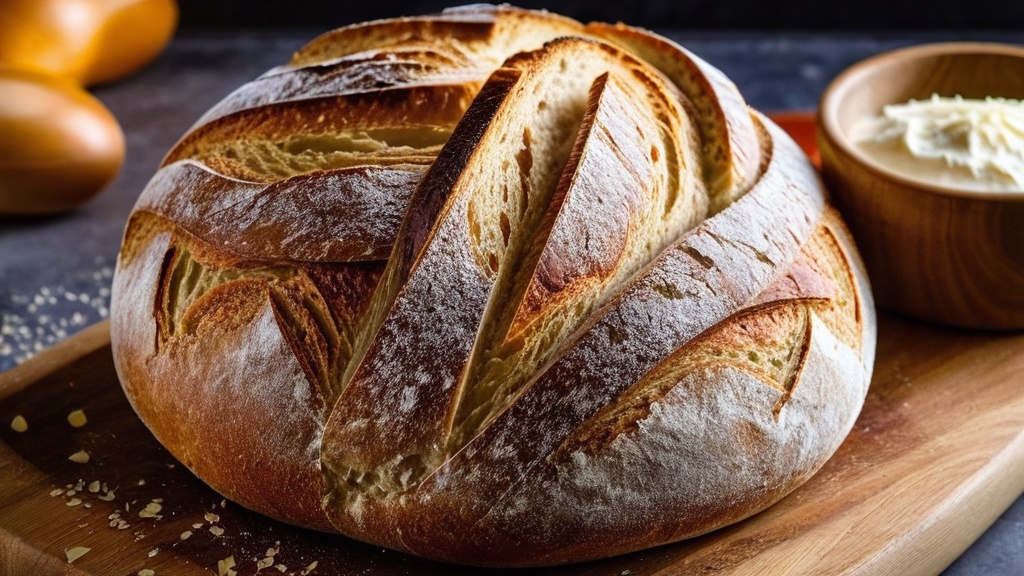
Before you dive into baking your first loaf of sourdough bread, it’s crucial to gather all the necessary ingredients. While the list may seem simple, each component plays a vital role in the final product. You will need high-quality flour, water, salt, and, of course, your active sourdough starter. Choosing the right flour is particularly important; many bakers prefer using bread flour due to its higher protein content, which contributes to better gluten development.
In addition to these basic ingredients, consider investing in a few essential tools that will make your baking experience smoother. A digital kitchen scale will help you measure ingredients accurately, ensuring consistent results every time. A bench scraper can assist in shaping your dough, while a Dutch oven or baking stone can create an ideal environment for baking. By gathering these ingredients and tools ahead of time, you will set yourself up for success as you embark on your sourdough adventure.
Step-by-Step Instructions for Making Sourdough Bread
Now that you have your ingredients ready, it’s time to dive into the step-by-step process of making sourdough bread. Begin by mixing your active sourdough starter with water in a large bowl. Stir until well combined before adding your flour and salt. The dough will initially be shaggy and sticky; don’t worry—this is normal! Allow the mixture to rest for about 30 minutes; this process is known as autolyse and helps develop gluten.
After the autolyse period, it’s time to knead your dough. You can do this by hand or using a stand mixer fitted with a dough hook. Knead until the dough becomes smooth and elastic, which usually takes about 10-15 minutes by hand or 5-7 minutes in a mixer. Once kneaded, place the dough in a lightly greased bowl and cover it with a damp cloth or plastic wrap. Allow it to rise at room temperature until it has doubled in size—this can take anywhere from 4 to 8 hours depending on the temperature of your kitchen.
Once your dough has risen sufficiently, gently deflate it and shape it into a round or oval loaf. Place it seam-side down in a well-floured proofing basket or bowl lined with a floured cloth. Cover it again and let it rise for another 2-4 hours until it has puffed up nicely. Preheat your oven to 450°F (232°C) during this final rise so that it’s hot and ready for baking.
If you’re looking to dive into the world of sourdough baking, finding the right beginner recipe is essential for success. A great resource to consider is an article that offers valuable tips for perfecting your loaves, which can complement your journey in mastering sourdough. You can check it out here for insights that will elevate your baking skills. With the right guidance, you’ll be well on your way to creating delicious, homemade sourdough bread.
Tips and Tricks for Successful Sourdough Baking
| Metric | Value | Notes |
|---|---|---|
| Flour Type | All-purpose or Bread Flour | Easy to find and beginner-friendly |
| Hydration Level | 75% | Good balance for beginner dough handling |
| Starter Amount | 100g (active sourdough starter) | Well-fed and bubbly starter recommended |
| Water Temperature | 75°F (24°C) | Optimal for fermentation |
| Bulk Fermentation Time | 4-6 hours | Room temperature (70-75°F) |
| Proofing Time | 2-3 hours | Until dough doubles in size |
| Baking Temperature | 450°F (232°C) | Preheated Dutch oven recommended |
| Baking Time | 30-40 minutes | 20 min covered, 10-20 min uncovered |
| Salt Amount | 2% of flour weight | Enhances flavor and controls fermentation |
| Yield | 1 medium loaf (about 800g) | Serves 6-8 people |
As you embark on your sourdough baking journey, there are several tips and tricks that can help ensure your success. One key aspect is maintaining the right temperature during fermentation. Sourdough thrives in warm environments; if your kitchen is cool, consider placing your dough in an oven with just the light on or near a warm spot in your home. This will encourage proper fermentation and help develop those lovely flavors.
Another important tip is to be patient. Sourdough baking is not a race; it requires time for fermentation and flavor development. Resist the urge to rush through the process; instead, embrace the slow rise that characterizes sourdough bread. Additionally, don’t be afraid to experiment with hydration levels in your dough. Higher hydration can lead to an open crumb structure but may require more skill in handling the dough. As you gain experience, you’ll learn how different hydration levels affect your final loaf.
Adding Flavors and Variations to Your Sourdough Bread
Once you’ve mastered the basic sourdough recipe, you might want to explore adding flavors and variations to your bread. The beauty of sourdough lies in its versatility; you can incorporate various ingredients to create unique loaves that suit your taste preferences. Consider adding herbs like rosemary or thyme for an aromatic twist or incorporating seeds such as sunflower or sesame for added texture.
You can also experiment with different types of flour beyond all-purpose or bread flour. Whole wheat flour can add depth of flavor and nutrition, while rye flour can impart a distinct taste that pairs beautifully with the tanginess of sourdough. Dried fruits like cranberries or apricots can add sweetness, while nuts can provide crunch. The possibilities are endless; let your creativity shine as you explore new flavor combinations.
Baking and Enjoying Your Freshly Made Sourdough Bread
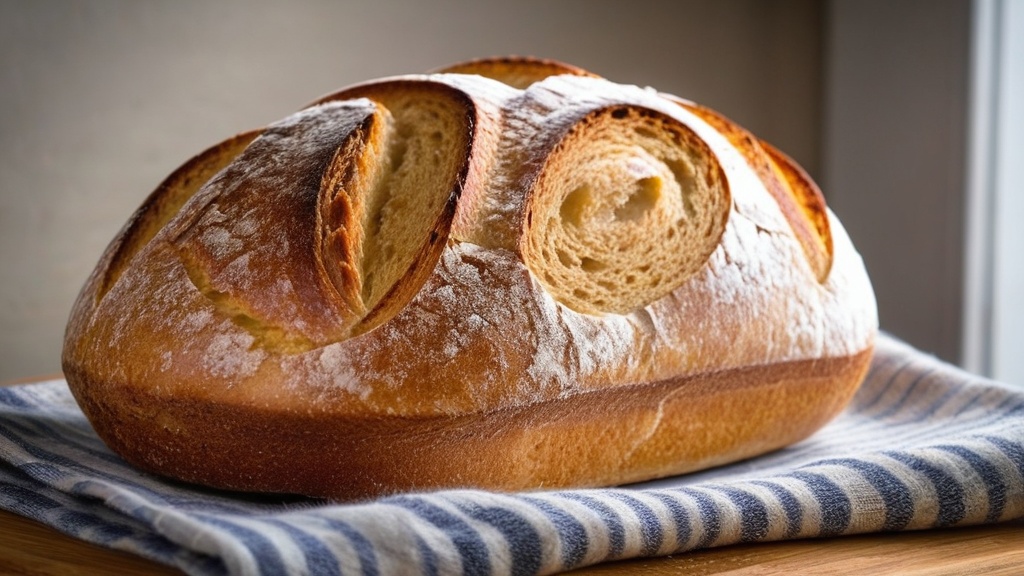
After all your hard work nurturing your starter and crafting your dough, it’s finally time to bake! Carefully transfer your shaped loaf onto parchment paper or directly into a preheated Dutch oven for baking. If desired, score the top of your loaf with a sharp blade; this allows for controlled expansion during baking and adds an artistic touch to your bread.
Bake your sourdough for about 30-40 minutes until it develops a beautiful golden-brown crust. The aroma wafting through your kitchen will be nothing short of heavenly! Once baked, allow your bread to cool on a wire rack before slicing into it—this step is crucial as it allows the crumb structure to set properly. When you finally take that first bite of warm, freshly baked sourdough bread, you’ll understand why so many people are passionate about this craft.
Frequently Asked Questions about Sourdough Baking
As you navigate the world of sourdough baking, you may have questions along the way. One common inquiry is about how long a sourdough starter lasts. With proper care and regular feedings, a starter can last indefinitely! Just remember to keep it in a cool place when not in use and feed it regularly if stored at room temperature.
Another frequently asked question revolves around troubleshooting common issues like dense loaves or lack of rise. If your bread isn’t rising as expected, consider checking the activity level of your starter; it should be bubbly and double in size after feeding. Additionally, ensure that you’re allowing enough time for fermentation during both rises—patience is key! With practice and attention to detail, you’ll soon find yourself mastering the art of sourdough baking.
In conclusion, embarking on a journey into sourdough baking opens up a world filled with creativity, tradition, and deliciousness. By understanding the basics of sourdough starters, gathering quality ingredients, following step-by-step instructions, and embracing experimentation with flavors, you’ll be well on your way to creating beautiful loaves that bring joy not only to yourself but also to those around you. Happy baking!
Get Your Perfect Sourdough Ratio!
FAQs
What ingredients do I need for the best beginner sourdough recipe?
The basic ingredients for a beginner sourdough recipe include sourdough starter, all-purpose flour, water, and salt. These simple components are essential for making a traditional sourdough loaf.
How do I create a sourdough starter from scratch?
To create a sourdough starter, mix equal parts of flour and water and let it ferment at room temperature for about 5 to 7 days. During this time, feed the starter daily with fresh flour and water to encourage natural yeast and bacteria growth.
How long does it take to make sourdough bread using a beginner recipe?
Making sourdough bread typically takes about 24 to 48 hours from start to finish, including the time needed for fermenting the starter, bulk fermentation, shaping, proofing, and baking.
What is the best way to bake sourdough bread for beginners?
For beginners, baking sourdough bread in a preheated Dutch oven or covered baking pot helps create steam, which is crucial for a crispy crust. Bake at a high temperature, usually around 450°F (230°C), for the first 20 minutes covered, then uncover and bake for an additional 20-25 minutes.
How can I tell if my sourdough bread is properly fermented?
Proper fermentation is indicated by a dough that has risen noticeably, feels airy and slightly jiggly, and has bubbles visible on the surface or inside when stretched. The dough should also have a pleasant, slightly tangy aroma before baking.

