You’re wondering if there’s a “perfect” sourdough baking pan, and the short answer is: it depends on what you’re trying to achieve with your sourdough. While you can absolutely bake amazing sourdough in a Dutch oven or even a cast-iron skillet, certain pans are designed with sourdough’s unique needs in mind, offering specific advantages that can make a real difference in your loaf. Let’s break down what makes a pan great for sourdough and which types are worth exploring.
Sourdough, with its often high hydration and desire for a vigorous oven spring, has some specific requirements when it comes to baking. The key to a great sourdough loaf is a good balance of heat retention, steam management, and overall crust development.
The Importance of Heat and Steam
Sourdough fermentation creates a dough that is often wetter and more active than a yeasted dough. This means it needs a strong initial blast of heat to get a good oven spring – that burst of rising that happens when the loaf first hits the oven. Without enough of this initial heat, your loaf can spread too much or develop a flatter profile.
Steam is another crucial element. For the first portion of the bake, trapping steam inside the oven is vital. This keeps the crust soft enough for the loaf to expand fully. Once the oven spring has peaked, removing the steam allows the crust to dry out and crisp up to that desirable golden-brown color.
What a “Perfect” Pan Aims to Do
A pan that helps with these needs will typically excel in one or more of these areas:
- Heat Retention: Holding onto heat and delivering it consistently to your dough.
- Steam Retention: Creating a mini-oven environment that traps the moisture released by the dough.
- Crust Development: Allowing for good air circulation or direct contact to promote browning and crisping.
Different Loaf Shapes, Different Pan Needs
The shape of your sourdough loaf also influences pan choice. Are you going for a classic boule (round loaf), a batard (elongated oval), or a sandwich loaf? Each shape might benefit from a pan designed for its form.
If you’re looking to enhance your sourdough baking experience, you might find the article on choosing the right sourdough baking pan particularly helpful. It provides insights into various types of pans and their impact on the baking process, ensuring you achieve the perfect crust and crumb. For more information, check out the article here: Sourdough Baking Pan Guide.
The Reigning Champion: The Dutch Oven
When most sourdough bakers talk about the “perfect” pan, they’re often referring to a Dutch oven. This heavy-bottomed, lidded pot is fantastic for sourdough for a few very good reasons.
Why Dutch Ovens Excel
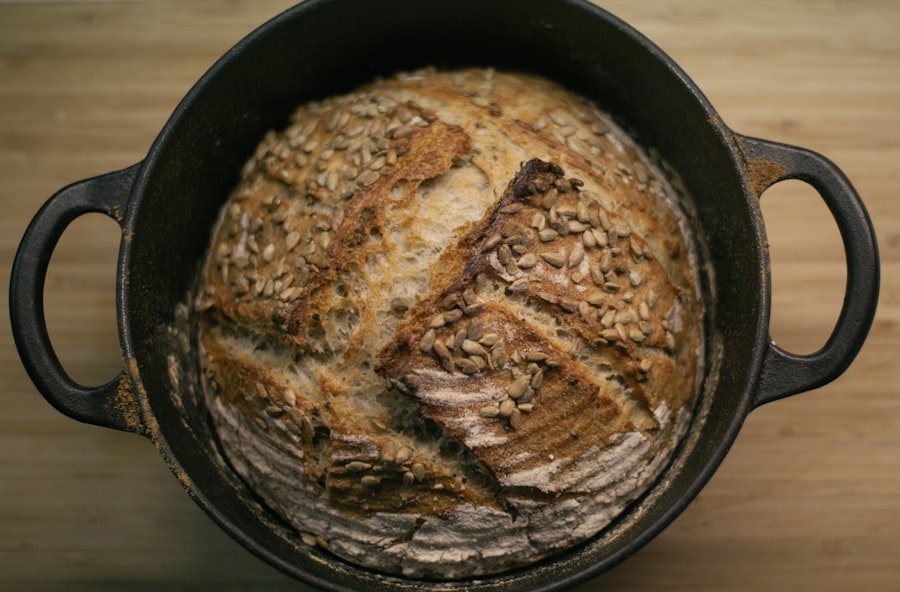
The fundamental advantage of a Dutch oven lies in its ability to mimic a professional bread oven. The heavy cast iron (or enamel-coated cast iron) retains heat incredibly well. When you preheat your Dutch oven, it becomes a hot reservoir that delivers consistent, intense heat to your dough from all sides.
Heat Distribution
The thick base and walls of a Dutch oven ensure that heat is distributed evenly. This helps to prevent hot spots that could lead to unevenly baked or burned areas on your loaf.
Steam Trapping Powerhouse
The lid of a Dutch oven is its secret weapon. When you first place your dough inside and put the lid on, the moisture that the dough releases is trapped. This creates a steamy environment, which is exactly what sourdough needs in the initial phase of baking to achieve maximum oven spring. As the loaf bakes, steam builds up inside the pot, allowing the dough to expand beautifully without the crust hardening too quickly.
Cast Iron vs. Enamel-Coated Cast Iron
You’ll see both traditional cast iron and enamel-coated cast iron Dutch ovens.
- Raw Cast Iron: Requires seasoning and careful maintenance to prevent rust. It can offer slightly better heat transfer and a more rustic crust. However, it’s also more prone to sticking if not seasoned well.
- Enamel-Coated Cast Iron: This is the more common choice for home bakers and for good reason. The enamel coating makes it non-stick, easier to clean, and less prone to rust. It still offers excellent heat retention and steam trapping. Le Creuset and Staub are premium examples, but many more affordable brands exist.
Sizing Your Dutch Oven
The size matters. For most standard sourdough boules (around 750g-1kg of dough), a 5-quart or 6-quart Dutch oven is ideal. This gives enough room for the loaf to expand without touching the sides too much. If you bake larger loaves or want to fit two smaller loaves, you’ll need a larger capacity.
Using a Dutch Oven for Sourdough
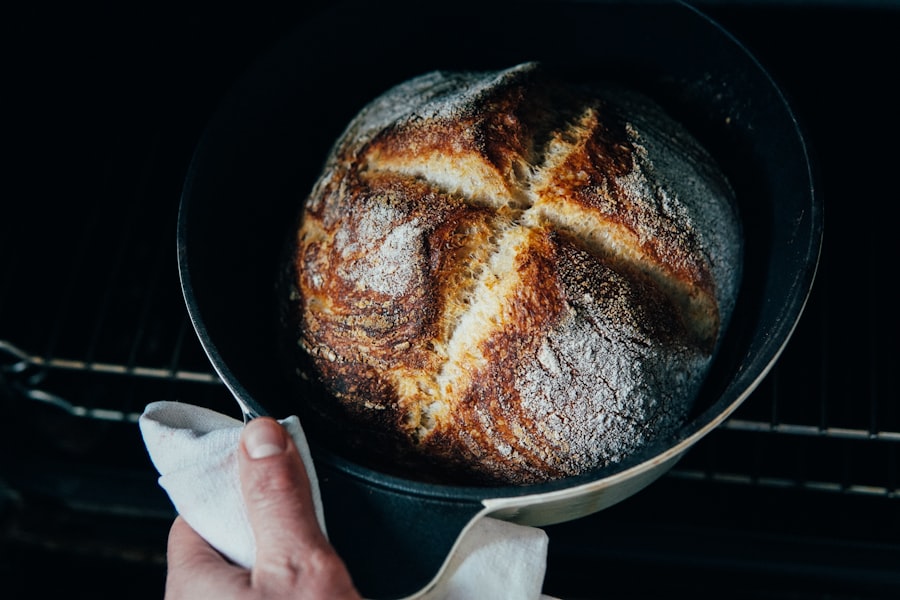
The basic technique involves preheating the empty Dutch oven in your oven to your desired baking temperature. Then, carefully transfer your shaped dough into the hot pot (often using parchment paper to help), cover with the lid, and bake for a portion of your total baking time. After this initial steaming period, you remove the lid to allow the crust to brown and crisp up.
The Versatile Alternatives: Skillets and Loaf Pans
While the Dutch oven is king for many, it’s not the only game in town. Skillets and specific loaf pans can also produce excellent sourdough, especially for certain loaf shapes.
Cast Iron Skillets for Open-Faced Bakes
If you love baking freeform sourdough boules without a proofing basket (meaning you shape them and place them directly onto parchment), a well-seasoned cast iron skillet can be a surprisingly effective tool.
Creating a Sourdough “Oven”
You can preheat a cast iron skillet in your oven, just like you would a Dutch oven. Then, place your parchment-paper-lined sourdough directly into the hot skillet. The thick cast iron will provide a good base of heat.
Managing Steam in a Skillet
The challenge with a skillet is steam management. Unlike a lidded Dutch oven, a skillet doesn’t inherently trap steam. To overcome this, many bakers use a second, larger baking sheet or metal pan placed upside down over the skillet during the initial part of the bake. This creates a makeshift lid, trapping some steam and allowing for better oven spring. Another popular method is to spritz the oven walls with water during the first few minutes of baking, though this can be less predictable.
Crust Quality from Skillets
The direct contact with the hot cast iron can lead to a fantastic, crispy bottom crust. However, the sides might not get quite as much attention, potentially leading to a slightly less evenly browned loaf compared to a Dutch oven.
Loaf Pans for Sandwich Sourdough
For those who prefer sandwich-style sourdough loaves, a loaf pan is the obvious choice. But not all loaf pans are created equal when it comes to sourdough.
The Importance of Heavy Gauge Metal
When choosing a loaf pan for sourdough, opt for heavy-gauge metal. This ensures better heat retention and more even cooking. Thin, flimsy pans will cool down too quickly when the dough is introduced, hindering oven spring and leading to a denser crumb.
Dark vs. Light Colored Pans
- Dark Colored Loaf Pans: These absorb more heat and can lead to a faster browning and crispier crust. Be careful you don’t burn the bottom of your loaf; you might need to adjust baking times or lower the oven temperature slightly if using a dark pan.
- Light Colored Loaf Pans: These reflect more heat, resulting in a lighter crust. They are generally more forgiving if you’re worried about burning.
Non-Stick vs. Standard Loaf Pans
- Non-Stick Loaf Pans: These make it incredibly easy to get your sourdough loaf out of the pan without sticking. This is a significant advantage, especially if your dough is on the wetter side.
- Standard Metal Loaf Pans: These can work well but require thorough greasing and flouring or lining with parchment paper to ensure an easy release. They might produce a slightly crisper crust due to better direct contact with the metal.
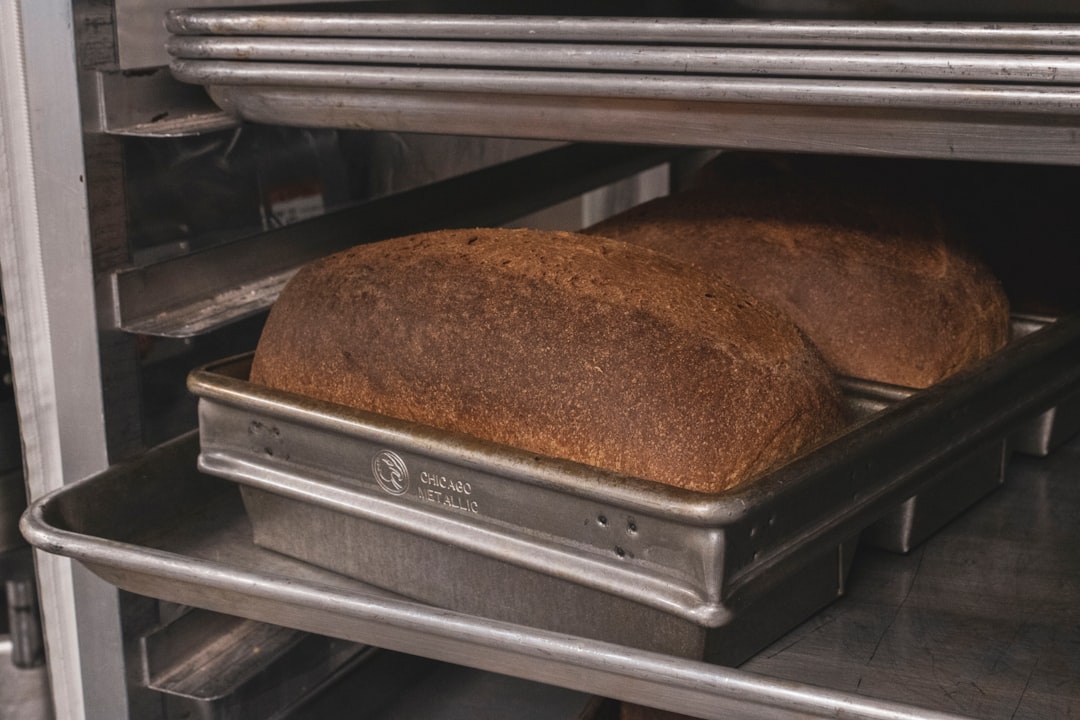
Pullman Loaf Pans: The Ultimate Sandwich Loaf Pan
If you’re serious about sandwich loaves, consider a Pullman loaf pan. These have a lid that seals tightly, creating a completely enclosed baking environment. This is perfect for achieving perfectly square, evenly baked loaves with a tender, soft crust, ideal for slicing. The enclosed nature also traps steam wonderfully.
Specialized Sourdough Baking Vessels
Beyond the familiar Dutch oven and loaf pan, there are some more niche but highly effective baking vessels designed with sourdough in mind.
The Bread Oven (Baking Stone/Steel with Cloche)
This is essentially creating your own mini-professional oven at home. It involves a baking stone or steel on the oven rack, and a cloche placed over your dough once it’s on the hot surface.
Baking Stones (Ceramic or Cordierite)
Baking stones are porous and absorb moisture. When the dough hits the hot stone, the stone’s porosity can slightly wick away some surface moisture, helping to create a crispier base. They are excellent heat accumulators.
Baking Steels (Steel Alloy)
Baking steels are denser and conduct heat much more efficiently than stones. They transfer heat to the dough very rapidly, which can lead to a more vigorous oven spring and a beautifully browned crust. Steels are also much more durable and less prone to chipping or breaking than ceramic stones.
The Role of the Cloche
A cloche is a dome-shaped cover, usually made of cast iron or ceramic. When placed over your sourdough loaf on the hot stone or steel, it traps steam very effectively, much like the lid of a Dutch oven. This allows for excellent oven spring and a well-developed crust.
Advantages of the Stone/Steel with Cloche Setup
This setup offers the best of both worlds: the consistent heat of a baking surface and the steam-trapping capability of a cloche. It’s a great alternative to a Dutch oven if you prefer baking freeform loaves or want more control over the baking environment.
considerations for Steam Management
When using a baking stone or steel, you’ll need to actively manage steam for the initial part of the bake. This can be done by placing a pan of hot water on a lower rack in your oven or by using a spray bottle to mist the oven walls during the first 15-20 minutes of baking. The cloche will do most of the work of trapping the steam released by the dough itself.
If you’re looking to enhance your sourdough baking experience, investing in a quality sourdough baking pan can make a significant difference in achieving that perfect crust and crumb. For more insights on perfecting your sourdough loaves, you might find this article on mastering the art of sourdough particularly helpful, as it offers valuable tips and techniques that can elevate your baking skills.
Material Matters: What Your Pan is Made Of
| Aspect | Metrics |
|---|---|
| Material | Cast Iron, Aluminum, Stainless Steel |
| Size | 9×5 inches, 10×5 inches, 12×5 inches |
| Shape | Oval, Rectangular, Round |
| Coating | Non-stick, Seasoned, Silicone |
| Price Range | 15 – 50 |
The material of your baking pan significantly impacts its performance, particularly in terms of heat retention, distribution, and how it interacts with your dough.
Cast Iron: The Classic Choice
We’ve touched on cast iron a lot, and for good reason. Its density and ability to absorb and retain heat are unparalleled.
Superior Heat Retention
Cast iron holds onto heat for a long time, meaning that even when you introduce a cooler dough into the oven, the pan’s temperature won’t drop drastically. This is crucial for achieving a good, sustained oven spring.
Even Heat Distribution
Once heated, cast iron distributes heat evenly across its surface. This helps to ensure that your sourdough bakes uniformly, without developing specific hot or cold spots that could lead to an uneven crumb or crust.
Durability and Longevity
A well-maintained cast iron pan can last for generations. It’s a robust material that can withstand high oven temperatures and frequent use.
Seasoning and Care
As mentioned, raw cast iron requires seasoning to create a natural non-stick surface and prevent rust. Regular cleaning with hot water and a stiff brush (avoiding soap for unseasoned pans) and periodic re-seasoning are important. Enamel-coated cast iron is much easier to care for.
Ceramic: Good Heat, Delicate Nature
Ceramic baking vessels, including some cloches and specialized bread baking dishes, offer good heat retention.
Moderate Heat Retention
Ceramic heats up relatively evenly and holds onto warmth, but not to the same extent as cast iron.
Potential for Browning
Ceramic can contribute to a nice, even browning of the crust.
Fragility
The main downside of ceramic is its fragility. It can chip or crack if dropped or subjected to sudden temperature changes. It’s also less likely to provide the intense, searing heat that sometimes contributes to a very crisp crust.
Aluminum: Lightweight and Conductive
Aluminum loaf pans are common due to their affordability and conductivity.
Fast Heating
Aluminum heats up quickly, which can be a benefit if you’re in a hurry.
Quick Cooling
However, aluminum also cools down quickly. This can be a disadvantage for sourdough, as the rapid temperature drop can impede oven spring.
Durability and Warping
Lower-quality aluminum pans can be prone to warping over time, especially with repeated exposure to high oven temperatures.
Stainless Steel: Durability but Less Heat Retention
Stainless steel loaf pans are very durable and easy to clean, but they generally don’t offer the same heat retention as cast iron or even heavy-gauge aluminum.
Non-Reactive Surface
Stainless steel is non-reactive, meaning it won’t impart any metallic flavors to your bread.
Moderate Heat Conductivity
It conducts heat reasonably well, but it doesn’t hold onto it as long as cast iron. This can make achieving a consistently high oven spring more challenging.
Other Factors to Consider for Your Sourdough Pan
Beyond the material and basic type, a few more practical details can make a big difference in your sourdough baking experience.
Ease of Cleaning
Baking sourdough can sometimes result in floury messes or even a bit of burnt residue. Pans that are easy to clean will definitely save you time and frustration. Enamel-coated cast iron and non-stick loaf pans generally win in this category.
Non-Stick Surfaces
These are a lifesaver, especially for getting your loaf out of a loaf pan cleanly. Even with a Dutch oven, a lid with a non-stick coating can make things a little easier if any dough happens to stick.
Dishwasher vs. Hand Washing
Check the manufacturer’s recommendations. While some cast iron is technically dishwasher safe (if well-seasoned), hand washing is almost always recommended to preserve the seasoning. Many enamel-coated Dutch ovens and stainless steel items are dishwasher safe.
Size and Capacity
As mentioned with Dutch ovens, the size of your pan needs to match the size of your typical sourdough loaf. Measuring your proofing basket or knowing the typical weight of your dough will help you choose the right pan dimensions.
Fitting It In Your Oven
It’s also worth considering the overall dimensions of your pan, especially if you have a smaller oven or plan to bake multiple loaves at once. A large Dutch oven might take up significant space.
Lid Fit (for Dutch Ovens and Pullman Pans)
For lidded vessels, a snug-fitting lid is essential. A loose lid will allow steam to escape too easily, negating its primary benefit for sourdough. Inspect the lid for any deformities or gaps.
Handles and Ergonomics
When dealing with hot, heavy pans, comfortable and secure handles are important for safety. Consider how easy it is to lift and maneuver the pan in and out of the oven, especially when it’s full of a hot loaf.
Making the Choice: What’s “Perfect” for You?
Ultimately, the “perfect” sourdough baking pan is the one that helps you achieve the results you desire for your bread and fits your baking style and kitchen setup.
If You Bake Boules and Want the Best Oven Spring: Dutch Oven
For the classic round sourdough loaf, a lidded Dutch oven (enamel-coated cast iron is usually the most practical) is hard to beat. It consistently delivers excellent oven spring and a fantastic crust.
If You Bake Sandwich Loaves: High-Quality Loaf Pan
For sandwich-style loaves, a heavy-gauge, dark-colored metal loaf pan or a Pullman loaf pan is your best bet. Focus on even heat distribution and a clean release.
If You Prefer Freeform and Want Control: Baking Stone/Steel with Cloche
If you enjoy the flexibility of baking freeform loaves and want a setup that mimics professional ovens, a baking steel or stone paired with a cloche is a superb option. This setup requires a bit more active management of steam but offers excellent results.
If You’re on a Budget: A Well-Seasoned Cast Iron Skillet
Don’t underestimate a good, well-seasoned cast iron skillet. With a bit of improvisation for steam, it can produce very good sourdough, especially for smaller freeform loaves.
The “Good Enough” Pan
It’s important to remember that you can bake delicious sourdough in many different vessels. While specialized pans offer advantages, a well-loved, sturdy baking sheet, a standard oven-safe pot, or even a foil-lined improvisation can still yield tasty results. The key is to understand how your chosen pan behaves and to adjust your technique accordingly. Experimentation is part of the fun of sourdough baking, and often, the “perfect” pan is the one you get most comfortable and experimental with.

