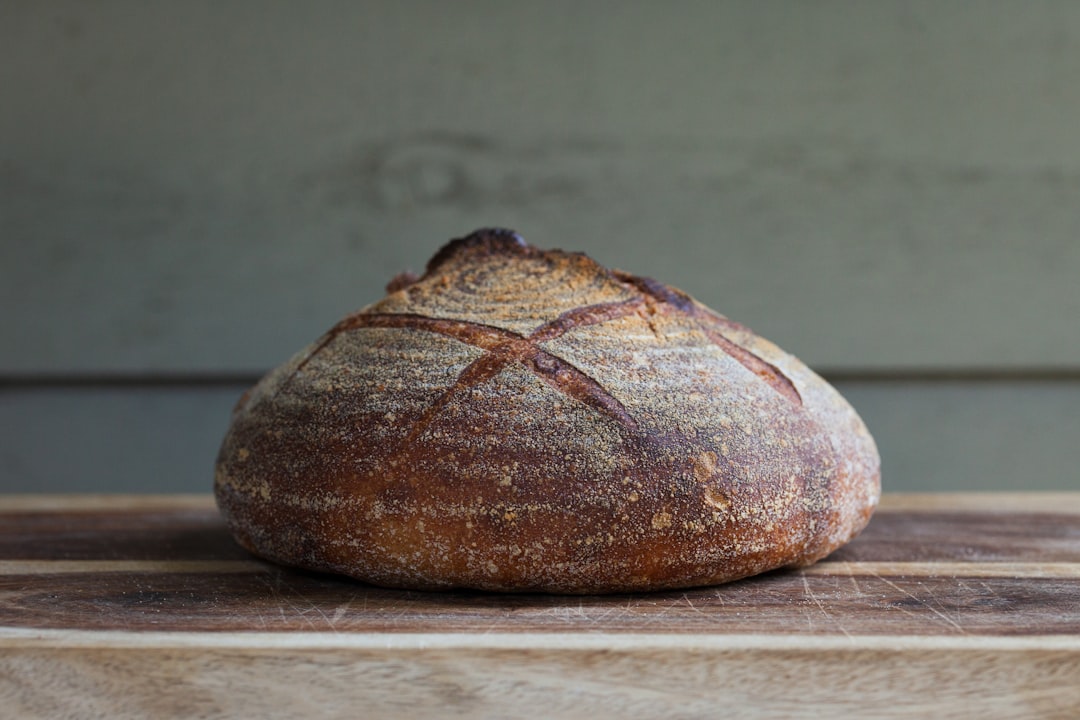
Sure, here’s an article about Rustik Oven Sourdough Bread, written in a friendly, practical, and conversational tone, with clear headings and short paragraphs for easy reading, and meeting your specific content requirements.
Sourdough bread has made a serious comeback, and for good reason. It’s got that incredible tangy flavor, a satisfying chew, and a crust that’s just chef’s kiss. If you’re curious about giving Rustik Oven Sourdough Bread a try, the short answer is: yes, it’s a genuinely good artisanal choice that offers a lot of flavor and texture without being overly complicated to understand or find. It stands out in the bakery aisle for its honest ingredients and traditional approach.
Rustik Oven isn’t just another mass-produced bread trying to cash in on the sourdough trend. They seem to genuinely focus on making a quality product through a slightly more traditional process. This means using simple, recognizable ingredients and allowing the natural fermentation of their sourdough starter to do the heavy lifting. You’re not going to find a laundry list of preservatives or dough conditioners here. It’s about letting the flour, water, and salt, along with that living starter, create something delicious.
The Importance of the Sourdough Starter
The heart and soul of any good sourdough is its starter. This isn’t just a packet of yeast; it’s a colony of wild yeasts and good bacteria that have been cultivated and fed over time. A healthy starter is what gives sourdough its characteristic tang and helps with the bread’s structure. Rustik Oven clearly puts effort into maintaining their starter, which directly translates into the bread you buy. You can tell when a starter is well-cared-for because it’s active and reliably produces that slightly sour, complex flavor.
Simplicity in Ingredients
Looking at the ingredient list for Rustik Oven Sourdough is a breath of fresh air. Typically, you’ll see things like:
- Unbleached Enriched Flour: This is the base, providing the structure.
- Water: Essential for hydration.
- Sourdough Starter (Wheat Flour, Water): The magic ingredient, as mentioned.
- Salt: For flavor and controlling fermentation.
That’s often it. No artificial colors, flavors, or excessive preservatives. This focus on a short, honest ingredient list is a key part of what makes it an “artisanal” choice. You’re getting bread made the way it was historically made, with components you understand.
If you’re looking to elevate your sourdough baking skills, you might find the article on mastering the art of sourdough particularly helpful. It offers valuable tips for achieving perfect loaves every time, which can complement your experience with the Rustik Oven sourdough bread. You can read more about it here: Mastering the Art of Sourdough: Tips for Perfect Loaves Every Time.
Exploring the Texture and Crust
When you pick up a loaf of Rustik Oven Sourdough, you can usually feel the quality. It’s not going to be uniformly soft and airy like some commercial white breads. There’s a certain heft to it, a density that speaks to the fermentation process and the hydration levels.
The Satisfying Crust
One of the hallmarks of good sourdough is the crust. Rustik Oven typically delivers a crust that is:
- Crisp but not hard: It has a satisfying crackle when you slice into it.
- Golden brown: Indicative of proper baking and caramelization.
- Slightly chewy: It doesn’t just shatter; it offers a bit of resistance.
This crust isn’t just for show; it protects the interior crumb and contributes significantly to the overall eating experience. A good crust adds another layer of flavor and texture that is often missing in softer, more processed breads.
The Interior Crumb
Inside, you’ll find a crumb that’s characteristic of sourdough, but with some variations depending on the specific loaf:
- Open crumb structure: There are irregular holes, which means it’s been well-fermented and properly proofed. This is where air pockets are trapped.
- Chewy texture: It offers a pleasant resistance to the bite.
- Slightly moist: Not gummy, but not dry either. The hydration plays a role here.
The texture is what makes sourdough so adaptable. It can hold up to rich toppings or be enjoyed simply on its own.
Flavor Profile: The Tangy Delight
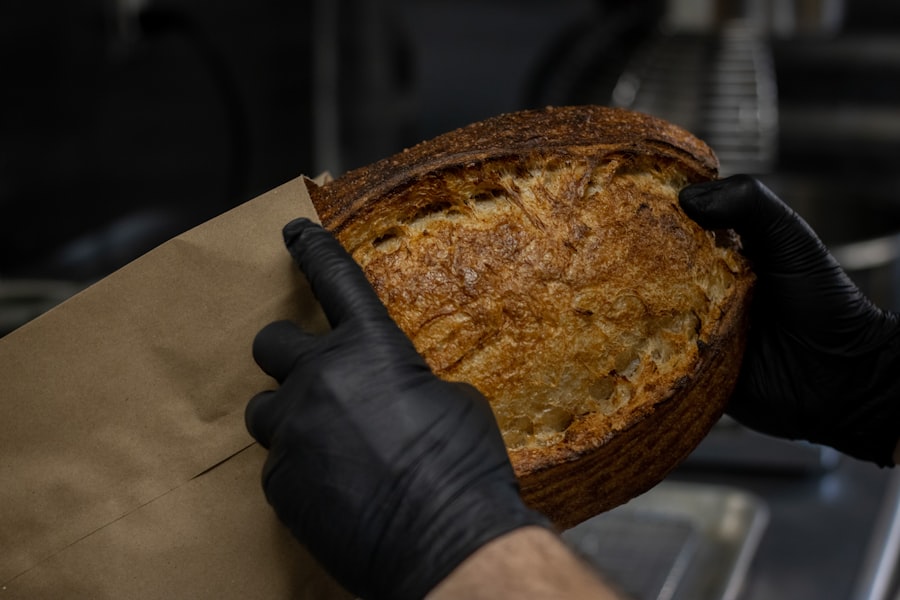
The defining feature of sourdough, and what makes Rustik Oven’s offering stand out, is its flavor. It’s not just a bread flavor; it’s a complex, slightly sour taste that comes from the fermentation.
The Tang Factor
- Mild to moderate tang: Rustik Oven generally strikes a good balance. It’s present enough to be recognized as sourdough but not so aggressive that it overwhelms other flavors. This makes it approachable for those new to sourdough.
- Subtle fruitiness: Sometimes, you can detect very faint notes of fruit or even a hint of yogurt, remnants of the wild yeast and bacteria at work.
This tang is developed naturally over many hours. It’s a slow process, and that gradual development results in a more nuanced flavor than you get from adding commercial yeast.
Underlying Sweetness and Earthiness
Beneath the tang, there’s a subtle sweetness that comes from the breakdown of starches in the flour during fermentation. Depending on the type of flour used (e.g., if there’s whole wheat or rye mixed in), you might also get earthy notes. Rustik Oven’s basic sourdough often leans towards this pleasant, understated complexity. It’s not a bland bread; it has character.
Versatility in the Kitchen
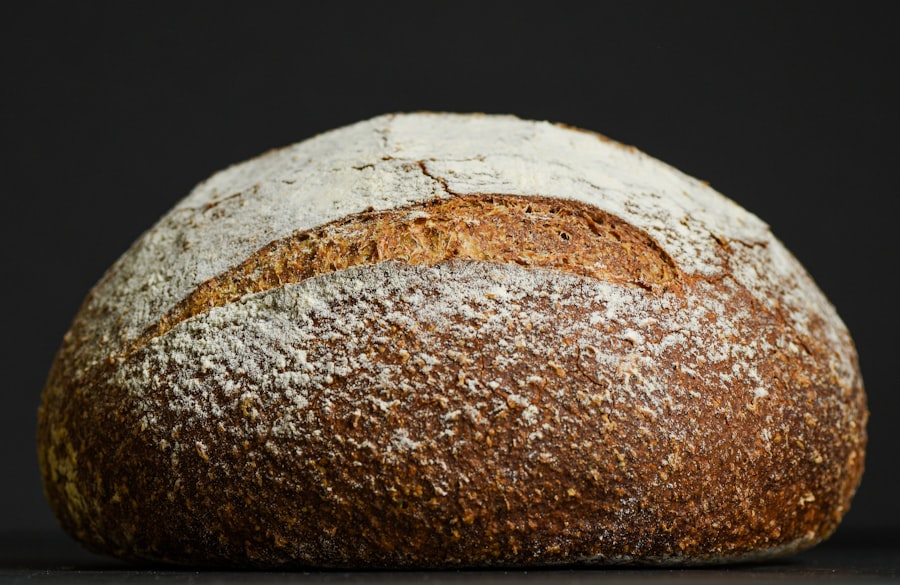
One of the best things about a good sourdough loaf, like those from Rustik Oven, is how many ways you can use it. It’s not just for toast. Its sturdy structure and distinct flavor make it a standout ingredient in many dishes.
Everyday Enjoyment
- Simple Toast: Of course, excellent toasted. The crisping process enhances the crust and softens the crumb a bit, making it perfect for butter, jam, or avocado.
- Sandwiches: This is where sourdough truly shines. Its sturdy crumb can handle moist fillings without becoming a soggy mess. Think thick slices for grilled cheese, hearty roast beef sandwiches, or even delicate cucumber sandwiches.
Elevating Meals
- Soup Companion: A slice of good sourdough is the ideal partner for a hearty bowl of soup, whether it’s a creamy tomato bisque or a robust beef stew. The bread soaks up the broth deliciously.
- Bread for Dipping: Bruschetta, olive oil and balsamic vinegar, or even just a good herb-infused olive oil – sourdough is perfect for dipping. Its texture holds well.
Rustik Oven’s sourdough fits seamlessly into these various uses. Its balanced flavor means it complements rather than competes with other ingredients.
If you’re interested in perfecting your sourdough baking skills, you might find it helpful to explore a related article that delves into the science behind sourdough fermentation. This resource offers valuable insights that can enhance your understanding of the Rustik Oven sourdough bread process. For more information, check out this informative piece on sourdough fermentation.
Why Choose Rustik Oven Sourdough?
| Metrics | Value |
|---|---|
| Calories | 120 per slice |
| Protein | 4g per slice |
| Fat | 1g per slice |
| Carbohydrates | 22g per slice |
| Fiber | 2g per slice |
So, why reach for a Rustik Oven loaf when there are other options available? It comes down to a few key aspects that align with what many people are looking for in their bread.
A Commitment to Quality Ingredients
As discussed, the ingredient list is a major plus. When you’re buying food, knowing exactly what’s in it and that it’s been sourced and prepared with care is important. Rustik Oven’s straightforward approach to ingredients supports this.
The Artisanal Process
The “artisanal” label can mean a lot of things, but with Rustik Oven, it seems to signify a dedication to traditional bread-making methods. This means longer fermentation times, the use of a sourdough starter, and a focus on developing flavor and texture naturally. This isn’t a quick bake; it’s a thoughtful process.
Balance and Approachability
For those who love sourdough but perhaps find some homemade versions or other commercial options too intensely sour, Rustik Oven often offers a more balanced and approachable tang. This makes it a reliable choice for a wider range of palates, including those who are just beginning to explore the world of sourdough. It provides that characteristic sourdough experience without being overpowering. It’s a solid, dependable choice for good bread.

