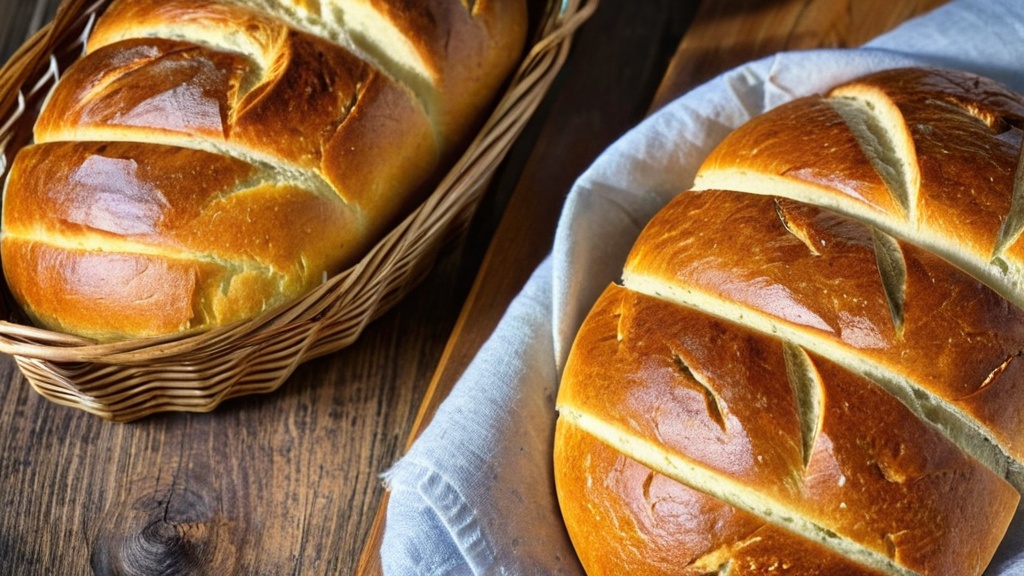
Welcome to the wonderful world of sourdough bread! If you’ve ever tasted a slice of freshly baked sourdough, you know it’s a delightful experience. The crust is crispy, the crumb is chewy, and the flavor is tangy and complex.
But what makes sourdough so special? It all starts with a little something called a sourdough starter. This magical mixture of flour and water captures wild yeast and bacteria from the environment, allowing you to create bread that’s not only delicious but also has a character all its own.
Sourdough bread is more than just a loaf; it’s a journey. It connects you to centuries of baking tradition, where people relied on natural fermentation instead of commercial yeast. As you embark on this adventure, you’ll discover the joy of nurturing your starter, watching it bubble and grow, and ultimately transforming it into a beautiful loaf of bread.
So, roll up your sleeves, grab your apron, and let’s dive into the art of sourdough baking! Check out the Hydration Calculator to help you determine the hydration level of your sourdough starter.
Key Takeaways
- Sourdough bread is a traditional bread made from naturally fermented dough, resulting in a unique tangy flavor and chewy texture.
- Minimal kneading is important in sourdough bread making to maintain the delicate structure of the dough and develop a better crumb and crust.
- Choosing high-quality flour, water, and salt is crucial for a successful sourdough recipe, as these ingredients greatly impact the flavor and texture of the bread.
- Follow step-by-step instructions for making easy sourdough bread, including mixing the dough, bulk fermentation, shaping, proofing, and baking.
- Maximize flavor in your sourdough bread by using a long fermentation process, experimenting with different flours, and adding ingredients like herbs, seeds, or dried fruits.
The Importance of Minimal Knead
Now, let’s talk about kneading—or rather, the beauty of minimal kneading. Traditional bread recipes often call for extensive kneading to develop gluten, but with sourdough, we can take a different approach. The key here is to let time do the work for you.
By using a technique called autolyse and allowing for long fermentation periods, you can achieve that lovely gluten structure without the elbow grease. When you minimize kneading, you’re also allowing the dough to retain more hydration. This means your bread will have a better crumb structure and a more open texture.
Plus, less kneading means less chance of overworking the dough, which can lead to tough bread. So, embrace the gentle touch! Mix your ingredients just enough to combine them, and then let time and patience work their magic.
You’ll be amazed at how well your dough develops with just a little love and care.
Choosing the Right Ingredients for Your Sourdough Recipe
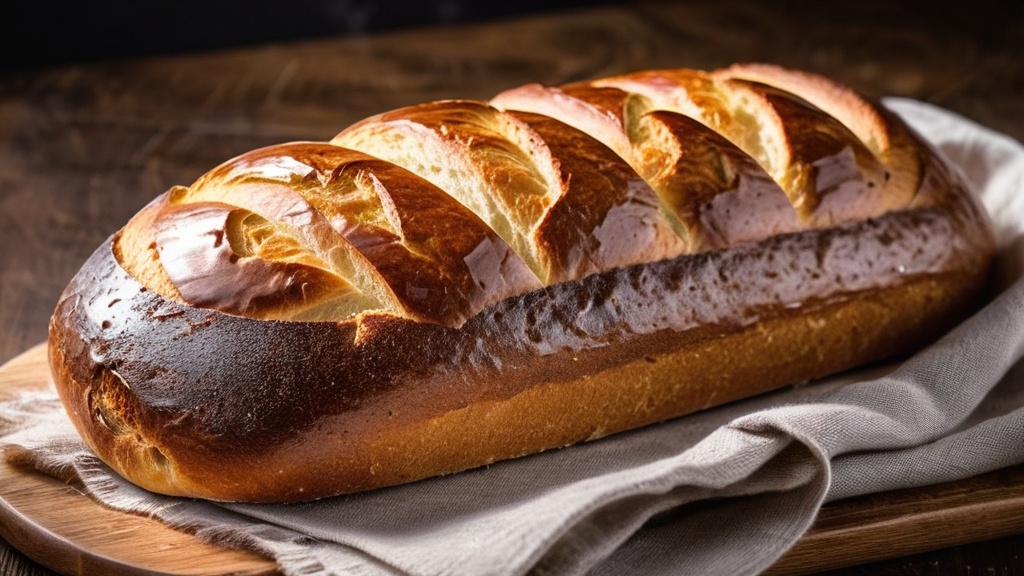
Choosing the right ingredients is crucial for making fantastic sourdough bread. First up is flour. While all-purpose flour can work in a pinch, I highly recommend using bread flour for its higher protein content.
This will give your bread strength and structure. If you’re feeling adventurous, consider incorporating whole wheat or rye flour into your mix. These flours not only add flavor but also contribute to the overall health benefits of your bread.
Next on the list is water. You might think water is just water, but it plays a significant role in hydration levels and fermentation. Ideally, use filtered or bottled water to avoid any chlorine that might hinder your starter’s growth.
The temperature of the water matters too; lukewarm water (around 80°F or 27°C) is perfect for activating your starter without shocking it. Lastly, don’t forget about salt! It enhances flavor and strengthens gluten, so don’t skimp on this essential ingredient.
Step-by-Step Instructions for Making Easy Sourdough Bread
Ready to get your hands doughy? Let’s walk through the steps to make easy sourdough bread! First, you’ll need to feed your sourdough starter about 4-6 hours before you plan to bake.
Make sure it’s bubbly and active—this is your secret weapon for great bread. 1. In a large mixing bowl, combine 500 grams of bread flour with 350 grams of lukewarm water.
Mix until there are no dry bits left—this is called the autolyse stage. Let it rest for about 30 minutes; this allows the flour to absorb the water and start developing gluten. 2.
After the rest period, add 100 grams of your active sourdough starter and 10 grams of salt to the dough. Mix everything together until well combined. You can use your hands or a spatula—whatever feels right!
3. Now comes the fun part: bulk fermentation! Cover your bowl with a damp cloth or plastic wrap and let it sit at room temperature for about 4-6 hours.
During this time, perform stretch and folds every 30 minutes for the first two hours. This means gently pulling one side of the dough up and folding it over itself—do this on all four sides. 4.
Once bulk fermentation is complete, turn your dough out onto a lightly floured surface and shape it into a round loaf. Let it rest for about 30 minutes before shaping it again into its final form. 5.
Place your shaped dough into a well-floured proofing basket (or bowl) seam side up. Cover it with a cloth and let it proof for another 2-4 hours at room temperature or overnight in the fridge for a slower fermentation. 6.
Preheat your oven to 450°F (232°C) with a Dutch oven inside for at least 30 minutes before baking. When ready, carefully transfer your dough into the hot Dutch oven (you can score the top with a sharp knife for that artisan look). Cover it with the lid and bake for 30 minutes.
7. After 30 minutes, remove the lid and bake for an additional 15-20 minutes until golden brown and crusty. Let it cool on a wire rack before slicing—if you can resist that long!
Tips for Maximizing Flavor in Your Sourdough Bread
Flavor is what makes sourdough truly special! To maximize that delightful tanginess and depth in your bread, consider these tips. First, experiment with longer fermentation times.
The longer your dough ferments, the more complex flavors will develop. If you have time, try an overnight cold proof in the fridge; this slow fermentation allows for deeper flavor profiles. Another way to enhance flavor is by using different types of flour in your recipe.
Whole grain flours like whole wheat or spelt can add nuttiness and richness to your bread. You can also try adding ingredients like seeds or nuts for extra texture and taste—sunflower seeds or walnuts are fantastic choices! Just remember to adjust hydration levels if you’re adding dry ingredients.
Lastly, don’t forget about salt! It’s not just for seasoning; salt also plays a crucial role in flavor development during fermentation. Make sure to use enough salt in your recipe—it enhances all those lovely flavors you’re working hard to create.
Troubleshooting Common Issues with Sourdough Bread
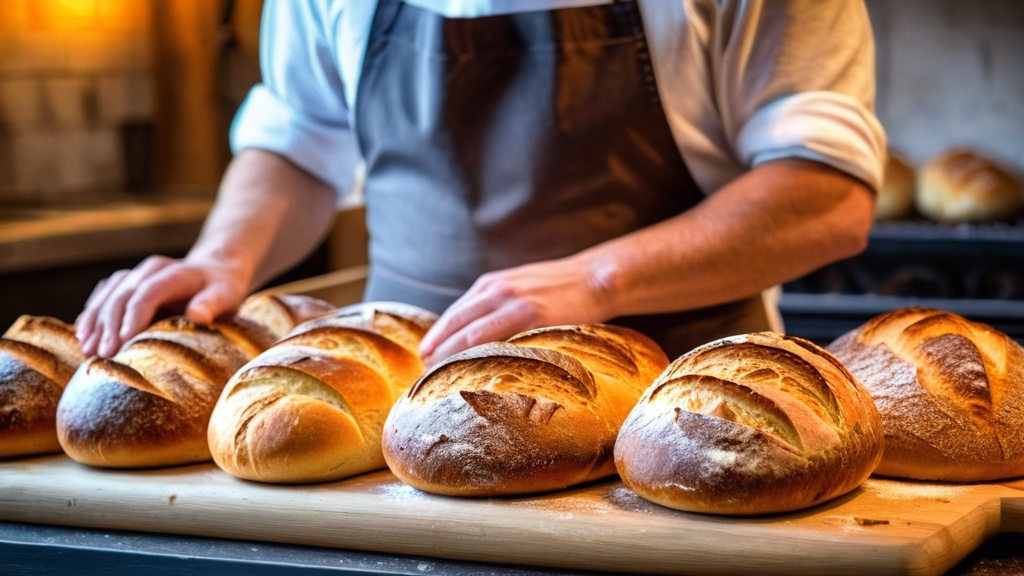
Even seasoned bakers encounter hiccups along the way! If your sourdough isn’t turning out as expected, don’t fret; troubleshooting is part of the learning process. One common issue is under-proofing or over-proofing your dough.
If your bread doesn’t rise well or has a dense texture, it may not have had enough time to ferment properly. On the flip side, if it spreads too much during baking or has large holes throughout, it might have been over-proofed. Another issue could be related to your starter’s health.
If your bread lacks that signature tangy flavor or doesn’t rise as much as you’d like, check if your starter is active enough before using it. A healthy starter should be bubbly and double in size after feeding within a few hours. If it’s sluggish, give it some extra feedings or try using it at its peak activity level.
Lastly, if you find that your crust isn’t as crispy as you’d like, consider adding steam during baking! You can do this by placing a pan with hot water at the bottom of your oven or by spritzing water into the oven just after placing your loaf inside.
Creative Variations and Additions to Your Sourdough Recipe
Once you’ve mastered basic sourdough bread, why not get creative? There are endless possibilities when it comes to variations and additions! One popular twist is incorporating herbs and spices into your dough—think rosemary or garlic for an aromatic loaf that pairs beautifully with soups or salads.
You can also experiment with adding fruits or vegetables! Dried fruits like cranberries or apricots add sweetness and chewiness, while grated zucchini or carrots can bring moisture and nutrition to your bread. Just remember to adjust hydration levels accordingly if you’re adding wet ingredients.
For those who love a bit of crunch, consider folding in seeds like sesame or poppy seeds during the stretch-and-fold phase of bulk fermentation. Not only do they add texture but they also provide an extra layer of flavor that elevates your sourdough game!
Conclusion and Enjoying Your Homemade Sourdough
Congratulations! You’ve embarked on an exciting journey into the world of sourdough baking! There’s something incredibly rewarding about creating something so delicious from just flour, water, salt, and time.
As you slice into that warm loaf fresh from the oven, take a moment to appreciate all the effort that went into making it. Enjoy your homemade sourdough in countless ways—slathered with butter, topped with avocado, or simply savored on its own with a sprinkle of sea salt. Share it with friends and family; nothing brings people together quite like breaking bread!
Remember that every loaf is an opportunity to learn and grow as a baker, so don’t be afraid to experiment and make it your own. So go ahead—get baking! Your kitchen is about to become a haven of delightful aromas and warm memories as you create beautiful sourdough bread that will impress everyone around you (including yourself!).
Happy baking!
If you’re interested in enhancing your sourdough baking skills beyond the Easy Sourdough Recipe: Minimal Knead, Maximum Flavor, you might find the article Mastering the Art of Sourdough: Tips for Perfect Loaves Every Time particularly useful. This article delves into advanced techniques and tips that can help you achieve consistently perfect loaves, making it a great companion read for those looking to refine their sourdough baking prowess.
Get Your Perfect Sourdough Ratio!
FAQs
What is sourdough bread?
Sourdough bread is a type of bread made from naturally fermented dough using wild yeast and lactobacilli bacteria. This fermentation process gives sourdough its characteristic tangy flavor and chewy texture.
What are the main ingredients in a sourdough bread recipe?
The main ingredients in a sourdough bread recipe are flour, water, and a sourdough starter. The starter is a mixture of flour and water that has been fermented with wild yeast and lactobacilli bacteria.
What is a sourdough starter?
A sourdough starter is a mixture of flour and water that has been fermented with wild yeast and lactobacilli bacteria. It is used to leaven sourdough bread and gives it its characteristic flavor and texture.
What is the process for making an easy sourdough bread with minimal kneading?
To make an easy sourdough bread with minimal kneading, you will need to mix the flour, water, and sourdough starter together to form a shaggy dough. Then, let the dough rest and ferment for several hours or overnight. After the fermentation period, shape the dough and let it rise before baking it in a preheated oven.
What are the benefits of making sourdough bread with minimal kneading?
Making sourdough bread with minimal kneading can result in a more open crumb and a chewier texture. It also requires less effort and time compared to traditional kneading methods.
How long does it take to make sourdough bread using this recipe?
The total time to make sourdough bread using this recipe can vary, but it typically takes around 12-24 hours from start to finish. This includes the fermentation period, shaping, and baking.

