
Sourdough production, a process historically steeped in communal knowledge and patient observation, has seen a resurgence in popularity in recent years. This renewed interest has been significantly amplified by culinary figures who demystify complex techniques for a wider audience. Claire Saffitz, a prominent figure in this modern culinary landscape, has played a notable role in making sourdough baking more accessible. Her approach, characterized by a blend of meticulous instruction and empathetic guidance, has enabled many home bakers to navigate the intricacies of wild yeast fermentation. This article examines Saffitz’s contributions to the discourse on sourdough, focusing on her methodology, the core principles she emphasizes, and her impact on contemporary home baking.
At the heart of all sourdough baking lies the starter, a living culture of wild yeast and bacteria. Saffitz dedicates considerable attention to establishing and maintaining a healthy starter, viewing it as the essential bedrock upon which all successful sourdough hinges. She approaches this initial stage not as a mere recipe step, but as the cultivation of a symbiotic relationship.
What Constitutes a Sourdough Starter?
A sourdough starter is a simple mixture of flour and water, left to ferment at room temperature. Over time, naturally present yeasts and lactic acid bacteria present in the flour and air begin to colonize the mixture. These microorganisms consume the sugars in the flour, producing carbon dioxide gas (responsible for leavening) and organic acids (contributing to flavor and preservation). Saffitz explains that this is not a sterile environment, but rather a dynamic ecosystem.
The Process of Starter Creation
Saffitz breaks down the often intimidating process of creating a starter into manageable daily steps. This typically involves feeding the starter with fresh flour and water at regular intervals. She emphasizes consistency and observation during this period, noting that the starter’s behavior—its rise, its smell, and its texture—provides crucial feedback. She likens this initial phase to tending a nascent garden, where careful attention yields robust growth. It requires patience, as the microbial community establishes itself.
Maintaining a Healthy Starter
Once active, a starter requires ongoing maintenance. This usually involves discarding a portion of the starter and then feeding the remainder. Saffitz’s guidance on feeding ratios and frequencies aims to ensure the starter remains vigorous and predictable. She advocates for understanding the signs of a healthy starter: a pleasant, slightly tangy aroma; a bubbly texture; and a significant rise after feeding. She warns against common pitfalls, such as infrequent feeding or improper storage, which can weaken the starter and lead to inconsistent results.
Troubleshooting Common Starter Issues
Many home bakers encounter challenges with their starters, from sluggish activity to mold growth. Saffitz provides practical advice for diagnosing and rectifying these problems. She addresses issues like a starter that doesn’t rise, a starter that develops an overly sour or unpleasant smell, or a starter that appears weak. Her approach is diagnostic, encouraging bakers to look at the environmental conditions and feeding regimen to pinpoint the cause. She frames these challenges not as failures, but as learning opportunities in understanding the delicate balance of the starter’s biology.
If you’re looking to elevate your sourdough baking skills, you might find Claire Saffitz’s approach to sourdough particularly inspiring. Her techniques and insights can help you achieve the perfect loaf with a delightful crust and airy crumb. For additional tips and tricks on mastering sourdough, check out this related article on mastering the art of sourdough: Mastering the Art of Sourdough: Tips for Perfect Loaves Every Time.
Principles of Sourdough Leavening
Beyond the starter, Saffitz delves into the mechanics of how sourdough leavens dough, a process that differs markedly from commercial yeast baking. She moves beyond simply providing instructions to explaining the ‘why’ behind each step, empowering bakers with a deeper understanding.
The Role of Wild Yeast and Bacteria
Saffitz elucidates the dual action of wild yeast and lactic acid bacteria in sourdough. The yeast produces carbon dioxide, creating the air pockets that give bread its structure. The bacteria, meanwhile, produce organic acids (primarily lactic and acetic acids), which contribute to the characteristic tangy flavor, improve the bread’s shelf life, and help tenderize the crumb. She explains that the balance between these two microbial groups influences the final flavor profile and texture of the bread.
Bulk Fermentation: The Crucial Rise
Bulk fermentation, the primary fermentation period of the dough, is a cornerstone of Saffitz’s sourdough method. She emphasizes the importance of judging the dough’s readiness based on visual cues rather than a strict time limit. This involves observing the dough’s increase in volume, its aeration, and its surface texture. She suggests that this stage is akin to allowing a complex chemical reaction to reach its optimal conclusion, where time is a factor, but temperature and dough development are equally critical.
Stretch and Folds: Developing Gluten Structure
Instead of extensive kneading, Saffitz often employs a series of “stretch and folds” to develop gluten strength in sourdough dough. This technique involves gently stretching sections of the dough and folding them over themselves. She explains that this method gradually aligns and strengthens the gluten network, which is essential for trapping the gas produced by the yeast and achieving an open crumb structure. She likens this process to meticulously weaving a strong fabric, where each fold contributes to the overall integrity.
Proofing: The Final Fermentation
Proofing, the final rise of the shaped dough, is another critical phase where understanding the dough’s temperature and ambient conditions is paramount. Saffitz provides guidance on both room-temperature and cold proofing (retarding in the refrigerator), explaining the advantages of each. Cold proofing, in particular, allows for the development of deeper flavors and easier scoring of the dough before baking. She views this as the final act of maturation, where the dough prepares for its dramatic transformation.
Essential Techniques for Sourdough Bread
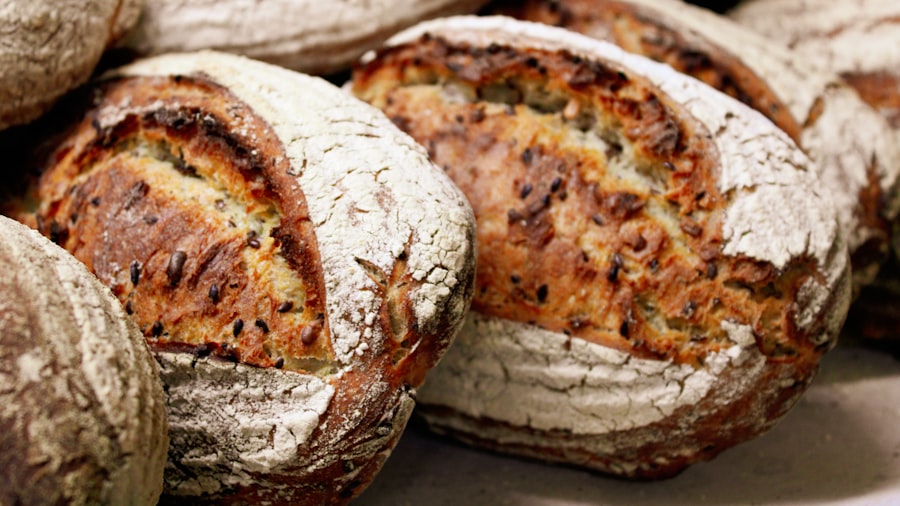
Saffitz’s approach to shaping and baking sourdough bread is designed to maximize oven spring and achieve a desirable crust. Her instructions are direct and actionable, aiming to translate nuanced techniques into achievable steps for the home baker.
Pre-Shaping and Shaping the Dough
The way dough is handled before the final proof significantly impacts the final loaf’s structure. Saffitz describes techniques for gently pre-shaping the dough to create surface tension, which aids in achieving a well-formed loaf. She then details methods for final shaping, whether for a boule (round loaf) or a batard (oval loaf), emphasizing the importance of creating a taut surface to contain the gases during baking. She stresses that this is not about brute force, but about guiding the dough’s inherent structure.
Scoring the Dough for Optimal Oven Spring
Scoring, the act of making incisions on the surface of the dough before baking, is crucial for controlling expansion during the initial heat of the oven. Saffitz explains how different scoring patterns can influence the bread’s rise and appearance. She emphasizes using a sharp blade and making confident cuts to achieve good oven spring, the rapid expansion of the loaf in the oven. She views scoring as adding personality or a signature to the bread, guiding its controlled burst of energy.
Baking in a Dutch Oven: Creating a Steamy Environment
A key element in Saffitz’s sourdough baking method is the use of a Dutch oven or a similar lidded pot. She explains the science behind this: the trapped steam within the pot during the initial phase of baking keeps the surface of the dough moist, allowing it to expand freely before the crust sets. This typically results in a more pronounced oven spring and a crispier crust. She likens the Dutch oven to a miniature bakery oven, replicating the humid conditions that promote ideal crust formation.
Achieving a Perfect Crust
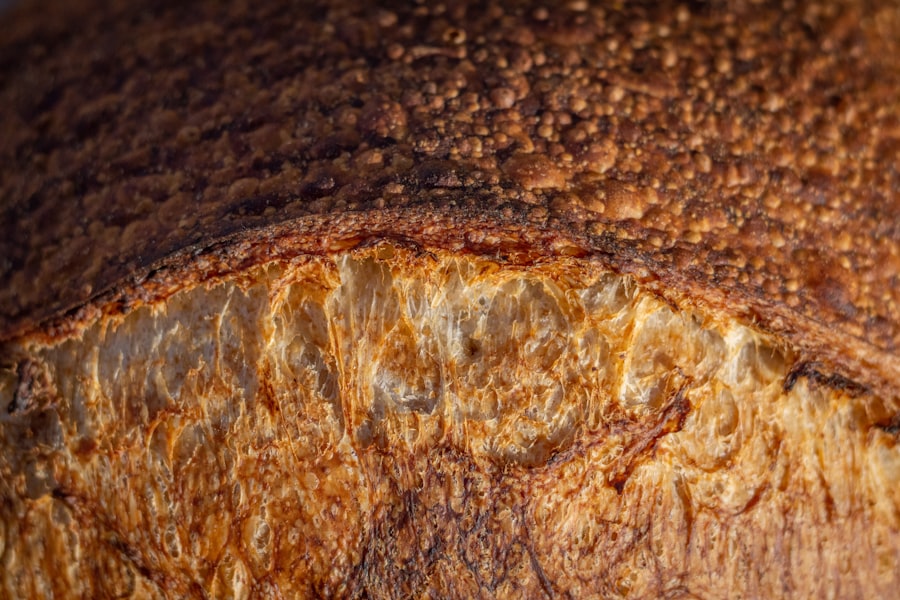
The crust is often a defining characteristic of excellent sourdough bread. Saffitz provides advice on how to achieve a deeply caramelized, crackling crust. This involves managing the oven temperature effectively, ensuring adequate steam production, and sometimes adjusting baking times. She acknowledges that achieving the perfect crust is an iterative process, influenced by oven variations and dough hydration levels.
Recipe Variations and Flour Types
While Saffitz champions a foundational approach, she also encourages exploration and adaptation within the sourdough framework. Her recipes are a starting point, designed to be understood and then modified.
Whole Wheat and Rye Integration
Saffitz often incorporates whole wheat and rye flours into her sourdough recipes, recognizing their unique contributions to flavor and texture. She explains how these flours, with their higher concentrations of bran and germ, behave differently in dough compared to refined white flour. She provides guidance on how to adjust hydration levels and fermentation times when using these flours to account for their different absorption rates and enzymatic activity. These flours act like different soil types, requiring adjustments in cultivation.
Hydration Levels and Their Impact
The ratio of water to flour, or hydration, is a critical factor in sourdough bread. Saffitz addresses various hydration levels, from relatively low to very high. She explains how higher hydration can lead to a more open crumb and a lighter texture, but also presents challenges in handling the dough. She guides bakers on how to manage wetter doughs, often through specific shaping techniques and careful fermentation management. She suggests that hydration is like a spectrum of moisture, each point offering a distinct baking experience.
Exploring Enriched Sourdough Doughs
Beyond basic loaves, Saffitz has also explored enriched sourdough doughs, such as those used for brioche or babka. These recipes introduce ingredients like eggs, butter, or sugar, which can affect fermentation and dough handling. She provides insights into how these additions modify the yeast activity and gluten development, requiring adjustments in the traditional sourdough process. This is like introducing new elements into a natural ecosystem, which can lead to novel outcomes.
If you’re looking to enhance your sourdough baking skills, you might find inspiration in Claire Saffitz’s approach to this beloved bread. Her techniques can elevate your baking game, but for those interested in the science behind sourdough, a related article on the Sourdough Calculator blog offers valuable insights into fermentation and hydration levels. Exploring these concepts can help you achieve the perfect loaf, making your baking experience even more rewarding.
The Philosophical Undercroft of Sourdough Baking
| Metrics | Data |
|---|---|
| Search Volume | 5,000 searches per month |
| YouTube Views | 1,000,000 views |
| Instagram Mentions | 10,000 mentions |
Saffitz’s engagement with sourdough extends beyond the purely technical. She often imbues her teaching with a sense of mindfulness and a respect for the natural processes involved, fostering a deeper connection between the baker and their craft.
Patience and Observation as Cornerstones
Central to Saffitz’s philosophy is the idea that sourdough baking cultivates patience and sharpens observational skills. She encourages bakers to slow down, to pay attention to their starter, their dough, and their environment. This focus on presence and careful attention is presented as integral to successful sourdough, rather than an optional addition. She argues that the bread itself is a teacher, responding to the baker’s nuanced understanding. This act of cultivation is a form of active meditation.
Embracing Imperfection and Learning
Saffitz is known for her candid acknowledgment of the learning curve inherent in sourdough. She demystifies the process by sharing her own experiences with less-than-perfect bakes, encouraging a mindset of continuous learning and adaptation. She frames setbacks not as failures, but as valuable data points, essential for refining one’s technique. This resilience in the face of occasional less-than-ideal outcomes is a vital ingredient in the baker’s journey.
Sourdough as a Connection to Tradition
In her discussions, Saffitz often touches upon the historical significance of sourdough, highlighting its role as a staple food for centuries. This connection to a long lineage of bakers can provide a sense of continuity and purpose for contemporary practitioners. She frames sourdough baking as participating in a tradition that predates modern conveniences, a tangible link to the past. It is a culinary lineage, passed down through the living medium of the starter.
The Joy of the Process
Ultimately, Saffitz’s approach to sourdough baking emphasizes the inherent satisfaction and joy derived from the process itself. The act of nurturing a starter, transforming simple ingredients through fermentation, and producing a delicious loaf of bread can be a deeply rewarding experience. She aims to equip bakers not just with recipes, but with the confidence and understanding to find their own rhythm and enjoyment in this ancient craft. The bread becomes a tangible manifestation of their time, effort, and understanding.

