
The selection of a suitable bread pan is a critical factor in achieving desired results when baking sourdough loaves. This article explores various loaf pan types and their characteristics, providing guidance for home bakers seeking to optimize their sourdough production. The emphasis is on practical considerations and material science relevant to baking performance.
The material from which a loaf pan is constructed directly influences heat transfer during baking, a key determinant of crust development and internal crumb structure. Different materials possess varying thermal conductivities and emissivities, affecting how heat is absorbed by the dough and radiated into it.
Cast Iron Loaf Pans
Cast iron pans are renowned for their thermal mass and even heat distribution. Once preheated, they maintain a consistent temperature, which can contribute to a robust, evenly browned crust and a well-developed oven spring. Their high thermal conductivity ensures that heat is delivered slowly and steadily.
- Heat Distribution: Cast iron excels at distributing heat uniformly across its surface, minimizing hot spots. This characteristic is beneficial for sourdough, as it promotes even crust development and prevents localized burning.
- Crust Development: The sustained high heat of cast iron can lead to a thick, caramelized crust, a desirable trait for many sourdough enthusiasts. The pan acts as a heat reservoir, supporting the foundational rise of the loaf.
- Maintenance: Cast iron requires seasoning to prevent rust and maintain its non-stick properties. Proper care involves regular oiling and avoiding harsh detergents. Without adequate seasoning, dough may adhere, and the pan’s performance can degrade.
Carbon Steel Loaf Pans
Carbon steel pans offer a balance between the heat retention of cast iron and the lighter weight of aluminum. They heat up more quickly than cast iron but still provide substantial thermal mass. They are often coated with non-stick layers for ease of use.
- Heat Transfer Rate: Carbon steel reaches baking temperature faster than cast iron, which can be advantageous for bakers seeking a quicker preheating time. However, this faster heat absorption can also necessitate careful monitoring to prevent overbrowning.
- Durability and Weight: These pans are durable but generally lighter than their cast iron counterparts, making them easier to handle. The reduced weight is a practical consideration for regular use.
- Non-stick Coatings: Many carbon steel pans feature non-stick coatings. While convenient, these coatings can degrade over time with high heat or abrasive cleaning, potentially affecting subsequent baking performance.
Aluminum Loaf Pans
Aluminum pans are lightweight and excellent conductors of heat, meaning they transfer heat rapidly to the dough. This rapid heat transfer can lead to a thinner, crisper crust if not managed carefully. Uncoated aluminum can also react with acidic dough, potentially imparting an undesirable metallic taste.
- Thermal Conductivity: Aluminum’s high thermal conductivity ensures quick heating and cooling. This attribute can be a double-edged sword: while it promotes rapid crust formation, it may also lead to a less forgiving baking environment, as temperature fluctuations are more pronounced.
- Weight and Handling: Aluminum pans are notably light, which makes them easy to maneuver. This characteristic is particularly relevant for bakers who handle multiple pans or have limited upper body strength.
- Reactivity: Unanodized aluminum can react with the acids present in sourdough, potentially causing the loaf to stick or absorb a metallic flavor. Anodized aluminum or aluminum alloys are typically less reactive.
Ceramic Loaf Pans
Ceramic pans are typically made from stoneware or porcelain. They heat up slowly and retain heat effectively, similar to cast iron, contributing to an even bake. Their non-reactive surface is also a benefit for sourdough baking.
- Thermal Mass and Retention: Ceramic pans possess significant thermal mass, allowing for gradual heat absorption and release. This property can foster a uniform bake and a well-developed, evenly colored crust.
- Non-Reactivity: Ceramic is inherently non-reactive, making it an ideal choice for sourdough, as there is no risk of metallic taste transfer. This characteristic preserves the intended flavor profile of the bread.
- Fragility: A primary drawback of ceramic pans is their fragility. They are susceptible to chipping or breaking if dropped or subjected to rapid temperature changes, such as placing a hot pan into cold water.
If you’re looking to elevate your sourdough baking skills, you might find the article on mastering the art of sourdough particularly helpful. It offers valuable tips for achieving perfect loaves every time, which can complement your use of a sourdough bread loaf pan. For more insights, check out the article here: Mastering the Art of Sourdough: Tips for Perfect Loaves Every Time.
Pan Dimensions and Loaf Shape
The dimensions of a loaf pan dictate the final shape and size of the sourdough loaf. A pan that is too large will result in a flatter, wider loaf, while one that is too small may cause the dough to overflow or become dense. Understanding the interplay between dough volume and pan volume is crucial.
Standard Loaf Pan Sizes
Common loaf pan sizes are designed to accommodate typical bread recipes. The most prevalent sizes include 8.5 x 4.5 inches, 9 x 5 inches, and 10 x 5 inches. Each size produces a distinct loaf profile.
- 8.5 x 4.5 inch: This size is suitable for smaller loaves, often yielding a taller, more compact loaf that fits well in standard toasters. It is ideal for recipes scaled for a single, modest sourdough loaf.
- 9 x 5 inch: This is a versatile and widely used size, accommodating most standard bread recipes. It produces a substantial loaf with a good balance of height and width. For sourdough, this size often allows for adequate volume expansion.
- 10 x 5 inch: Larger still, this pan is for substantial loaves, catering to larger families or those who prefer a more generous slice. It requires a greater volume of dough to fill appropriately.
Pan Depth and Loaf Height
The depth of the pan directly influences the potential height of the finished loaf. A deeper pan can support a taller rise, leading to a more aesthetically pleasing and often lighter crumb structure.
- Vertical Expansion: Deeper pans provide more vertical space for the dough to expand during baking. This is particularly important for sourdough, which often has a significant oven spring. Without adequate depth, the rising dough can be constrained, impacting crumb development.
- Crust-to-Crumb Ratio: A taller loaf generally has a lower crust-to-crumb ratio, which many bakers prefer, as it emphasizes the soft interior. Conversely, a shallower pan will result in a higher crust-to-crumb ratio.
Loaf Pan Taper
Many loaf pans feature a slight taper, meaning the top opening is wider than the base. This design facilitates easier removal of the baked loaf. The degree of taper can influence the final shape.
- Release Mechanism: The taper acts as a natural release mechanism. As the loaf cools and contracts slightly, it separates from the sloped sides, making extraction smoother. Pans with minimal or no taper can sometimes lead to sticking, even with proper greasing.
- Aesthetic Considerations: The taper contributes to the traditional loaf shape. Some bakers prefer a more vertical, straight-sided loaf, which requires a pan with minimal or no taper. These specialized pans are often sought after for specific artisan bread styles.
Surface Properties and Non-Stick Coatings
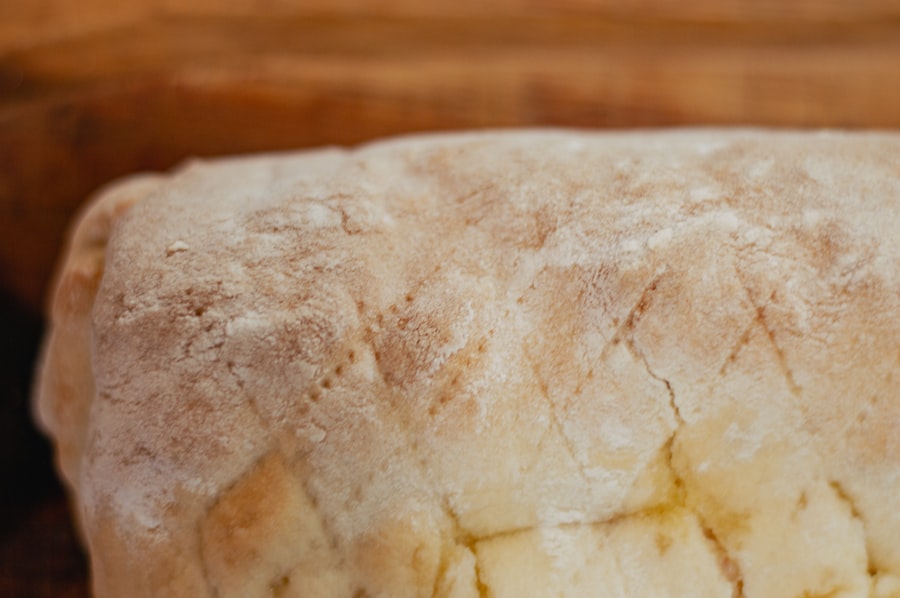
The internal surface of a loaf pan plays a significant role in the release of the baked loaf. Non-stick properties, whether inherent or applied through coatings, are critical for preventing adhesion and ensuring a clean extraction.
Non-Stick Coatings (PTFE, Silicone)
Most modern loaf pans come with non-stick coatings, often made of Polytetrafluoroethylene (PTFE) or silicone-based materials. These coatings create a low-friction surface, making it easier to remove the bread.
- Ease of Release: The primary benefit of non-stick coatings is the effortless release of the baked loaf, minimizing the risk of tearing or damaging the crust. This convenience enhances the baking experience.
- Durability and Longevity: The durability of non-stick coatings varies. High-quality coatings are more resistant to scratching and degradation, while cheaper alternatives can chip or lose effectiveness over time, particularly under high heat or with abrasive cleaning. PTFE coatings can degrade at very high temperatures.
- Heat Transfer Modification: Non-stick coatings can slightly alter heat transfer. Some coatings are darker, which can absorb more radiant heat, potentially leading to a darker crust compared to an uncoated pan of the same material.
Uncoated Pans (Cast Iron, Stainless Steel)
Uncoated pans, such as those made from cast iron or stainless steel, rely on proper seasoning or greasing and flouring techniques to achieve non-stick properties. These pans offer durability and avoid potential issues associated with coating degradation.
- Seasoning Requirement: Cast iron pans require regular seasoning with oil to build up a naturally non-stick polymer layer. This layer improves over time with proper maintenance. Stainless steel pans generally rely on greasing and flouring before each use.
- Longevity: Uncoated pans, particularly cast iron and stainless steel, are exceptionally durable and can last for decades or even generations with appropriate care. There is no coating to chip, peel, or scratch.
- Control Over Browning: Without a dark non-stick coating, the baker has more direct control over crust browning. This allows for precise adjustments to baking time and temperature based on visual cues.
Lid Options and Steam Retention
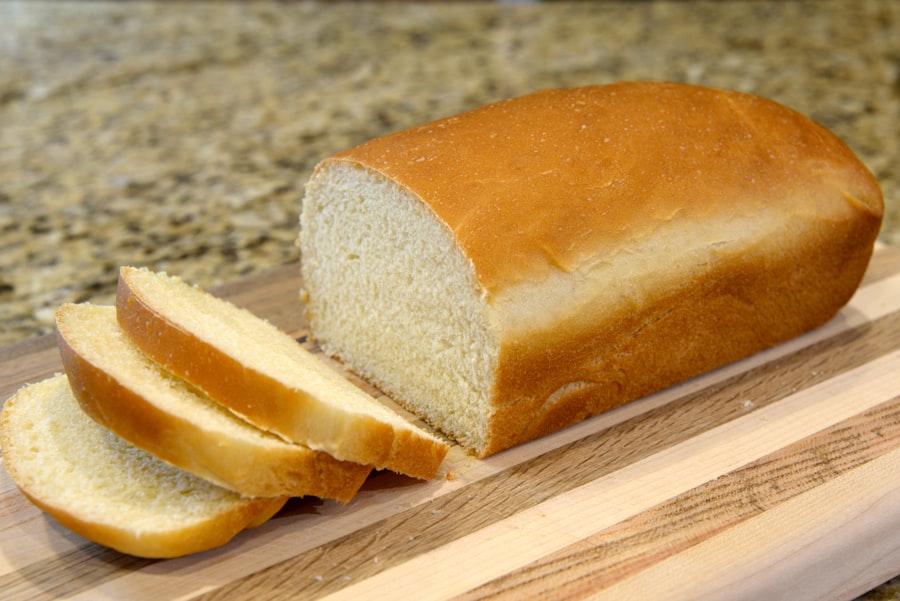
Some loaf pans are equipped with lids, which can significantly influence the baking environment by trapping steam. This feature is particularly beneficial for sourdough, as steam plays a crucial role in crust development and oven spring.
Covered Baker (Dutch Oven Analogue)
Lidded loaf pans, often made from cast iron or ceramic, function similarly to a Dutch oven. They create a sealed environment that traps steam released by the dough during the initial baking phase.
- Steam Generation: The trapped steam prevents the crust from setting too quickly, allowing for maximum oven spring. It also contributes to a thinner, crispier crust by keeping the surface moist. This is a foundational principle for achieving the desired open crumb and ear on sourdough loaves.
- Even Baking: The sealed environment also promotes more even heat distribution around the loaf, leading to a consistent bake throughout. This can prevent overbrowning on the top while the bottom remains underbaked.
- Crust Texture: When the lid is removed partway through baking, the wet, pliable crust can then crisp and brown effectively, leading to a superior texture that often characterizes artisan sourdough.
Open-Top Baking
Baking in an open-top pan without a lid requires alternative methods to introduce steam, such as placing a tray of hot water in the oven or spraying the oven walls. While effective, these methods can be less consistent than a lidded pan.
- External Steam Introduction: When using an open-top pan, bakers must actively create a steamy environment within the oven. This can involve preheating a pan of water, using lava rocks with boiling water, or misting the oven interior. Consistency can be challenging to maintain.
- Crust Formation: Without readily available steam, the crust can form more rapidly and become thick or leathery. This can impede oven spring and result in a denser loaf. The dough’s ability to expand is curtailed if the crust hardens prematurely.
- Versatility: Open-top pans are more versatile for recipes that do not require high steam, such as quick breads or cakes. However, for sourdough, the absence of a lid necessitates compensatory steam strategies.
If you’re looking to enhance your sourdough baking experience, you might find it helpful to explore the various types of loaf pans available. A great resource for this is an article that discusses the benefits of using different materials and shapes for sourdough bread. You can read more about it in this insightful piece on sourdough baking techniques, which provides tips on how to achieve the perfect crust and crumb in your homemade loaves.
Cleaning and Maintenance
| Metric | Value |
|---|---|
| Dimensions | 9 x 5 inches |
| Material | Aluminum |
| Capacity | 1.5 pounds |
| Non-stick Coating | Yes |
| Color | Grey |
Proper cleaning and maintenance are essential for prolonging the life of any loaf pan and ensuring consistent baking performance. Different materials and coatings require specific care routines.
Cast Iron Care
Cast iron pans require seasoning and specific cleaning methods to prevent rust and maintain their natural non-stick surface.
- Seasoning: Regular seasoning with high smoke point oil forms a protective, non-stick layer. This process polymerizes the oil onto the iron, creating a durable surface.
- Cleaning: Avoid harsh soaps or abrasive scrubbers, which can strip the seasoning. Hot water and a stiff brush or scraper are generally sufficient. Dry thoroughly immediately after washing to prevent rust.
- Rust Prevention: If rust appears, it can be removed with steel wool, followed by re-seasoning. This meticulous care ensures the pan’s longevity and continued optimal function.
Non-Stick Coated Pan Care
Non-stick coated pans, whether carbon steel or aluminum, require gentle cleaning to protect their delicate surface.
- Gentle Cleaning: Use warm, soapy water and a soft sponge or cloth. Avoid metal utensils or abrasive pads, as these can scratch and degrade the coating. Scratches compromise the non-stick properties and can lead to flaking.
- Temperature Limits: Be mindful of the pan’s maximum temperature rating. Excessive heat can damage or release fumes from some non-stick coatings, particularly PTFE.
- Storage: Store non-stick pans carefully to prevent scratches from other cookware. Using pan protectors or stacking them separately can preserve the coating.
Stainless Steel and Ceramic Care
Stainless steel and ceramic pans are generally easier to clean due to their non-reactive and often smoother surfaces.
- Stainless Steel: Stainless steel is highly durable and resistant to rust. It can be washed with warm, soapy water and a sponge. For stuck-on food, soaking or a mild abrasive can be used without damaging the surface.
- Ceramic: Ceramic pans are typically dishwasher safe, but hand washing with warm, soapy water is also effective. Avoid sudden temperature changes to prevent thermal shock, which can cause cracking or chipping.
- Stain Removal: For stubborn stains on ceramic, baking soda paste or a non-abrasive cleaner can be effective. Ensure thorough rinsing to remove any residue.
By carefully considering material composition, dimensions, surface properties, lid options, and maintenance requirements, you can select a loaf pan that optimally supports your sourdough baking endeavors. The right pan is not merely a container; it is an extension of your baking technique, a tool that significantly influences the final quality of your homemade loaves.

