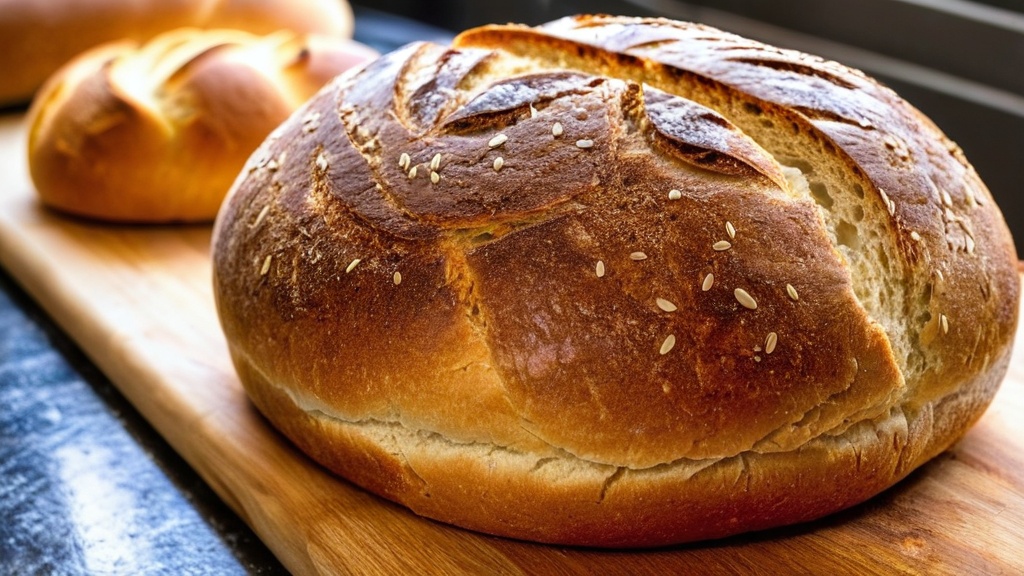
Sourdough bread is a delightful creation that has been enjoyed for thousands of years. At its core, sourdough is made using a natural leavening agent known as a sourdough starter, which is a mixture of flour and water that captures wild yeast and bacteria from the environment. This unique fermentation process not only gives sourdough its characteristic tangy flavor but also contributes to its chewy texture and crusty exterior.
Unlike commercial yeast, which can produce bread quickly, sourdough requires patience and a bit of love, making it a rewarding endeavor for any home baker. To get started with sourdough, you’ll need to familiarize yourself with a few key concepts. First, hydration is crucial; it refers to the ratio of water to flour in your dough.
A higher hydration level can lead to a more open crumb structure, while lower hydration results in denser bread. Additionally, understanding the fermentation process is essential. This involves allowing your dough to rise and develop flavor over time, which can take anywhere from several hours to overnight, depending on the temperature and the strength of your starter.
Embrace the journey, and remember: good things come to those who wait! Check out the Hydration Calculator to help you determine the hydration level of your sourdough starter.
Key Takeaways
- Sourdough bread is made using a natural fermentation process, which gives it a unique flavor and texture.
- The type of flour used in sourdough bread can greatly impact its flavor and texture, so it’s important to choose the right one for your desired outcome.
- Fermentation is a crucial step in sourdough bread making, as it allows the dough to develop flavor and rise properly.
- Keeping a healthy sourdough starter is essential for consistently good sourdough bread, and it requires regular feeding and maintenance.
- Perfecting the baking process is key to achieving a crispy crust and airy crumb in sourdough bread.
Choosing the Right Flour for Your Sourdough Bread
When it comes to baking sourdough bread, the type of flour you choose can make a world of difference. While all-purpose flour can certainly get the job done, opting for bread flour is often a better choice due to its higher protein content. This extra protein helps create gluten, which gives your bread structure and chewiness.
If you’re feeling adventurous, consider experimenting with whole grain flours like whole wheat or rye. These flours not only add depth of flavor but also provide additional nutrients that can enhance the fermentation process. Don’t be afraid to mix and match!
Many bakers find that a blend of different flours yields the best results. For instance, combining bread flour with a bit of whole wheat flour can create a lovely balance between flavor and texture. Just remember that different flours absorb water differently, so you may need to adjust your hydration levels accordingly.
Keep notes on your experiments; this way, you’ll know what works best for your taste buds and baking style.
Mastering the Art of Fermentation
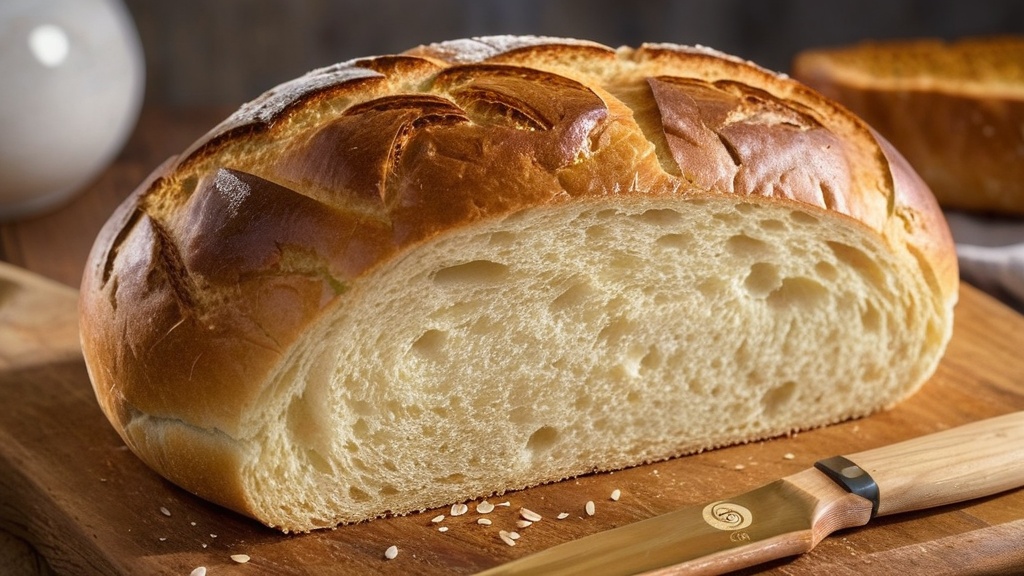
Fermentation is where the magic happens in sourdough baking. It’s the process that transforms your simple mixture of flour and water into a flavorful loaf of bread. The wild yeast and bacteria in your starter feed on the sugars in the flour, producing carbon dioxide gas that causes the dough to rise.
This process can take time, so be patient! The first rise, known as bulk fermentation, typically lasts anywhere from 4 to 12 hours, depending on the temperature and strength of your starter. During fermentation, it’s essential to keep an eye on your dough’s development.
You want it to become airy and bubbly, indicating that the yeast is active and doing its job. A great way to monitor this is by performing the “poke test.” Gently poke the dough with your finger; if it springs back slowly and leaves a slight indentation, it’s ready for shaping. If it collapses or doesn’t spring back at all, it may need more time.
Remember, every kitchen is different, so trust your instincts and adjust your timing as needed.
Maintaining a Healthy Sourdough Starter
Your sourdough starter is like a pet; it requires care and attention to thrive! To keep your starter healthy, you’ll need to feed it regularly with equal parts flour and water. A common feeding ratio is 1:1:1 (one part starter, one part flour, one part water), but feel free to adjust based on how active your starter is.
If you notice it rising quickly after feeding, you might want to increase the amount of flour and water to give it more food. Storing your starter is also important. If you plan to bake frequently, keep it at room temperature and feed it daily.
However, if you’re taking a break from baking, you can store it in the fridge and feed it once a week. Just remember to bring it back to room temperature and give it a couple of feedings before using it in your next batch of bread. And don’t forget: if your starter develops an off smell or any strange colors, it’s best to start fresh—better safe than sorry!
Perfecting the Sourdough Bread Baking Process
Now that you’ve got your starter bubbling away and your dough fermenting beautifully, it’s time to bake! Preheat your oven to a high temperature—around 450°F (232°C)—and place a Dutch oven or baking stone inside to heat up as well. This step is crucial for achieving that lovely crust we all adore in sourdough bread.
While your oven heats up, shape your dough into a round or oval loaf and let it rest for about 30 minutes before scoring. Scoring is an art form in itself! Use a sharp blade or lame to make shallow cuts on the surface of your dough just before placing it in the oven.
This allows steam to escape during baking and helps control how your bread expands. Once your oven is hot enough, carefully transfer your dough into the preheated Dutch oven or onto the baking stone. Cover it with a lid or an oven-safe bowl for the first half of baking to trap steam—this will help create that beautiful crust we all crave.
Troubleshooting Common Sourdough Bread Issues
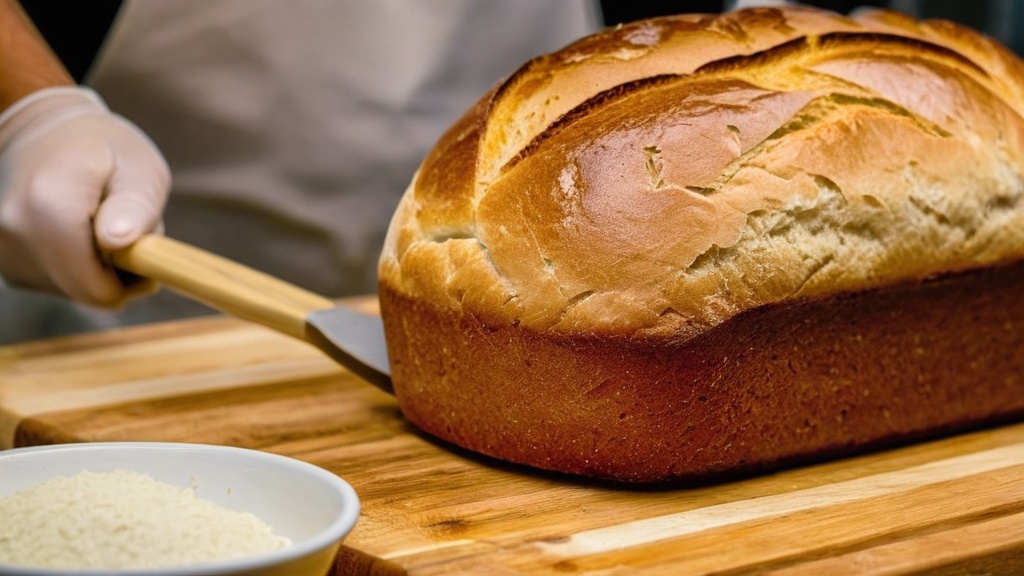
Even seasoned bakers encounter hiccups along the way—don’t let setbacks discourage you! One common issue is dense bread, which can result from under-fermentation or using an inactive starter. If your bread doesn’t rise as expected, try giving it more time during bulk fermentation or ensure your starter is bubbly and active before using it.
Another frequent problem is a gummy crumb, which can occur if there’s too much moisture in the dough or if it hasn’t baked long enough. To combat this, make sure you’re measuring ingredients accurately and consider extending your baking time slightly. If you find that your crust isn’t as crispy as you’d like, try baking with steam for longer or increasing the oven temperature slightly during the last few minutes of baking.
Remember: every loaf is a learning experience!
Experimenting with Flavors and Add-Ins
Once you’ve mastered the basics of sourdough bread, it’s time to have some fun! One of the joys of baking sourdough is the ability to experiment with flavors and add-ins. Consider incorporating herbs like rosemary or thyme for an aromatic twist or adding cheese for a savory delight.
Dried fruits like cranberries or apricots can add sweetness and texture—just be sure to adjust your hydration levels if you’re adding ingredients that absorb moisture. You can also play around with different types of flours or even add seeds like sunflower or sesame for added crunch. The possibilities are endless!
Just remember to keep track of what you add so you can recreate your favorite combinations in the future. Baking should be an adventure—don’t be afraid to let your creativity shine!
Storing and Preserving Your Sourdough Bread
After all that hard work, you’ll want to ensure your sourdough bread stays fresh for as long as possible. The best way to store it is at room temperature in a paper bag or wrapped in a clean kitchen towel—this helps maintain its crust while preventing it from becoming too dry. Avoid plastic bags; they trap moisture and can lead to a soggy loaf.
If you find yourself with leftover bread (which is rare but can happen), consider freezing it! Slice your loaf before freezing so you can easily grab just what you need later on. Wrap each slice tightly in plastic wrap or aluminum foil before placing them in an airtight container or freezer bag.
When you’re ready to enjoy some fresh-tasting sourdough again, simply toast or warm up the slices in the oven for that freshly baked experience. Baking sourdough bread is not just about following recipes; it’s about embracing the process and enjoying every moment in the kitchen. With practice and patience, you’ll soon be crafting beautiful loaves that will impress family and friends alike!
So roll up those sleeves, grab that starter, and let’s get baking!
If you’re diving into the world of sourdough baking and have already explored the “Top 10 Sourdough Bread Tips Every Home Baker Needs to Know,” you might want to expand your knowledge further by checking out another insightful article. Mastering the Art of Sourdough: Tips for Perfect Loaves Every Time offers a deeper dive into the nuances of sourdough baking, providing expert advice on achieving consistently perfect loaves. This article complements the top tips by offering additional strategies and techniques that can elevate your sourdough baking skills to the next level.
Get Your Perfect Sourdough Ratio!
FAQs
What is sourdough bread?
Sourdough bread is a type of bread made from the natural fermentation of dough using wild yeast and lactobacilli bacteria. This fermentation process gives sourdough bread its characteristic tangy flavor and chewy texture.
What are the benefits of baking sourdough bread at home?
Baking sourdough bread at home allows you to control the ingredients and fermentation process, resulting in a healthier and more flavorful bread. Additionally, it can be a rewarding and enjoyable hobby for many home bakers.
How do I create a sourdough starter?
To create a sourdough starter, mix equal parts of flour and water and allow it to ferment at room temperature, feeding it regularly with more flour and water. Over time, wild yeast and bacteria from the environment will colonize the mixture, creating a natural leavening agent.
What are some tips for maintaining a sourdough starter?
Some tips for maintaining a sourdough starter include feeding it regularly, storing it in a clean and airtight container, and keeping it at a consistent room temperature. It’s also important to discard a portion of the starter before each feeding to prevent it from becoming too acidic.
How can I tell if my sourdough starter is active and ready to use?
An active sourdough starter will have a bubbly and frothy appearance, and it will also have a slightly tangy aroma. It should also double in size within a few hours of feeding. These are all indicators that the starter is ready to be used in bread baking.
What is the best flour to use for sourdough bread?
The best flour to use for sourdough bread is high-quality bread flour or a combination of bread flour and whole wheat flour. These flours provide the necessary protein and nutrients for a strong and flavorful sourdough bread.
How can I achieve a good rise in my sourdough bread?
To achieve a good rise in sourdough bread, it’s important to use a well-fed and active sourdough starter, as well as to allow the dough to undergo a proper fermentation process. Additionally, using the right amount of water and flour, as well as proper shaping and scoring techniques, can also contribute to a good rise.
What are some common mistakes to avoid when baking sourdough bread?
Common mistakes to avoid when baking sourdough bread include using an underfed or inactive sourdough starter, over or under-proofing the dough, using too much or too little flour, and not allowing the bread to fully cool before slicing.
How can I achieve a crispy crust on my sourdough bread?
To achieve a crispy crust on sourdough bread, it’s important to create steam in the oven during the initial stages of baking. This can be done by placing a pan of hot water in the oven or by spraying the dough with water before baking. Additionally, baking the bread at a high temperature for the first few minutes can also help create a crispy crust.
What is the best way to store sourdough bread?
The best way to store sourdough bread is to wrap it in a clean cloth or paper bag and store it at room temperature for up to 2-3 days. For longer storage, the bread can be frozen in a resealable plastic bag for up to 3 months.

