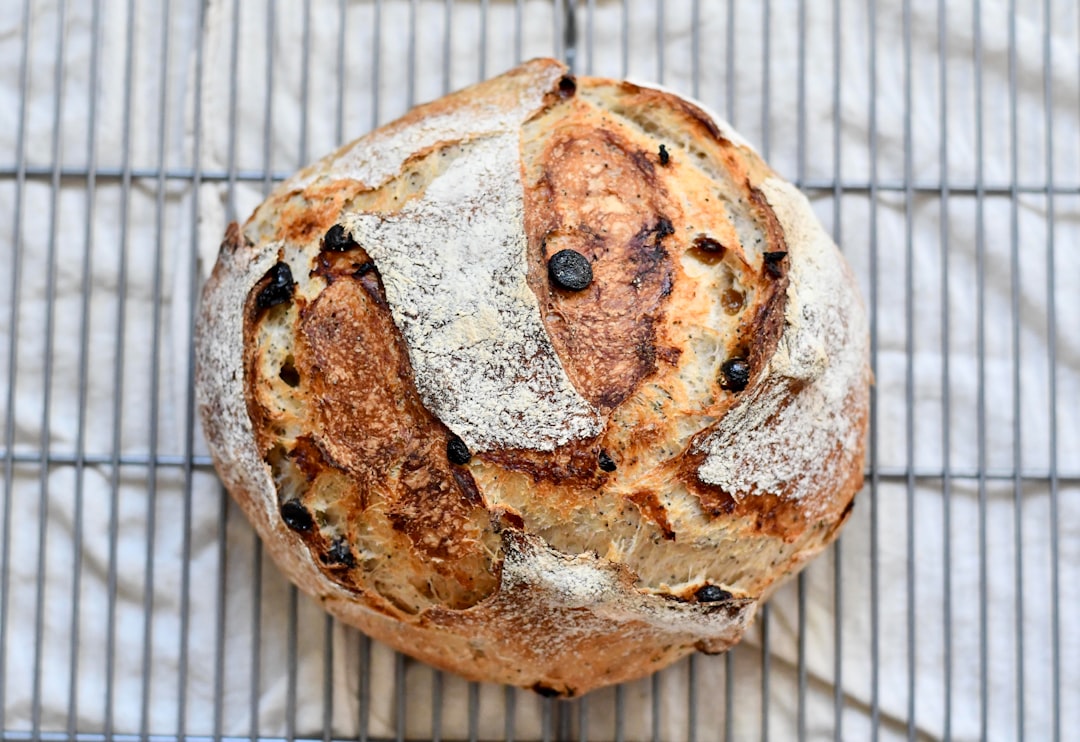
The following article has been adapted from a Wikipedia-style guide on mastering homemade sourdough bread.
Understanding Sourdough Starters
This section will introduce the foundational element of sourdough baking: the starter. It is a living culture, a carefully balanced ecosystem of wild yeasts and lactic acid bacteria, responsible for leavening and developing the characteristic tang of sourdough bread. Think of it as the sourdough bread’s engine, providing both lift and flavor.
The Science Behind the Starter
- Microbial Symbiosis: A sourdough starter is a testament to microbial collaboration. Wild yeasts, primarily Saccharomyces cerevisiae and Candida milleri, are present in flour and the air. These yeasts metabolize sugars in the flour, producing carbon dioxide gas, which causes the dough to rise, and alcohol, which contributes to flavor. Concurrently, lactic acid bacteria, such as Lactobacillus sanfranciscensis and Leuconostoc mesenteroides, thrive in the same environment. These bacteria ferment sugars, producing lactic acid and acetic acid. Lactic acid provides a mild, pleasant sourness, while acetic acid contributes a sharper, vinegary note. The interplay between these two groups of microorganisms is crucial for the complex flavor profile and leavening power of sourdough.
- Fermentation Process: The starter operates through a continuous cycle of feeding and fermentation. When a starter is fed with new flour and water, the existing microorganisms consume the available food. The yeasts begin to produce carbon dioxide, causing the starter to expand and become bubbly. The bacteria begin to produce acids, lowering the pH of the starter. This acidic environment inhibits the growth of undesirable spoilage organisms while favoring the proliferation of the symbiotic yeasts and lactobacilli. The resulting mixture is a complex broth of biological activity, ready to impart its magic to bread dough.
Cultivating Your Starter
- Initial Setup: Creating a sourdough starter typically involves combining equal parts (by weight) of flour and unchlorinated water in a clean jar or container. A common starting point is 50 grams of flour and 50 grams of water. The type of flour used can influence the starter’s development. Whole wheat or rye flours, with their higher nutrient content and more diverse microbial populations, often lead to more vigorous starters more quickly. However, all-purpose flour can also be used successfully.
- Daily Feeding and Observation: For the first week or so, the starter will undergo significant changes. It may exhibit initial bursts of activity followed by apparent inactivity. This is normal as different microbial populations compete and establish dominance. The key is consistent feeding. Typically, the starter is fed once or twice a day. For a vigorous starter, a common feeding ratio is 1:1:1 (starter:flour:water by weight). For example, discard half of the starter and then add equal weights of fresh flour and water. This process removes a portion of the old starter, preventing the accumulation of waste products and ensuring there is always ample food for the active microbes.
- Signs of Maturity: A mature sourdough starter will exhibit consistent predictability. It will reliably double in size within a few hours (typically 4-8 hours) after feeding, developing a bubbly, aerated texture. The aroma will be pleasant and slightly tangy, often described as yeasty, alcoholic, or even like yogurt. A mature starter will also pass the “float test,” where a small dollop dropped into a glass of water floats, indicating sufficient leavening power.
Maintaining Your Starter
- Regular Feeding Schedule: Once established, a starter can be maintained for years with proper care. The frequency of feeding depends on where it is stored. At room temperature, daily feeding is usually required to maintain optimal activity. This keeps the starter robust and ready for baking.
- Refrigeration for Infrequent Baking: For those who bake less frequently, the starter can be stored in the refrigerator. Refrigeration slows down microbial activity, requiring less frequent feeding. Typically, a starter in the refrigerator needs to be fed once a week. Before baking, it is essential to take the starter out of the refrigerator and feed it a few times over a few days to reawaken its activity and ensure it is strong enough to leaven the bread.
- Discard – A Necessary Step: The process of discarding a portion of the starter before feeding is not wasteful but a fundamental aspect of maintenance. It balances the ratio of active microbes to food and prevents the starter from becoming overly acidic or consuming all available nutrients. Discarded sourdough starter can be used in a variety of recipes, such as pancakes, waffles, crackers, or muffins, giving these baked goods a unique flavor and texture.
If you’re looking to elevate your homemade sourdough bread baking skills, you might find the article on mastering the art of sourdough particularly helpful. It offers invaluable tips for achieving perfect loaves every time, making it a great companion to your baking journey. You can read more about it here: Mastering the Art of Sourdough: Tips for Perfect Loaves Every Time.
The Art of Dough Hydration
Dough hydration refers to the ratio of water to flour in a bread recipe. This is a critical factor in sourdough, influencing the dough’s texture, extensibility, and the final crumb structure of the bread. It is akin to adjusting the viscosity of a paint; too much or too little will affect how the “canvas” (the bread) turns out.
Understanding Hydration Percentages
- Calculation Method: Hydration is expressed as a percentage of the total flour weight. For example, if a recipe uses 500 grams of flour and 350 grams of water, the hydration is (350g water / 500g flour) \* 100% = 70%.
- Impact on Dough Characteristics:
- Low Hydration (e.g., 60-65%): These doughs are stiffer and easier to handle. They tend to produce bread with a tighter crumb and a chewier crust. They are often an excellent starting point for beginners due to their manageability.
- Medium Hydration (e.g., 68-75%): This range offers a balance between ease of handling and achieving an open crumb. Doughs at this hydration level are still manageable for most home bakers and yield classic sourdough loaves with a pleasant chew and a moderately open crumb.
- High Hydration (e.g., 78-85%+): These doughs are much wetter and more challenging to work with. They require techniques like stretch-and-folds to develop gluten structure. High hydration doughs typically result in bread with a very open, airy crumb and a delicate crust. This level of hydration is often sought after for its aesthetic appeal and unique texture.
Incorporating Water into the Dough
- Autolyse – The Resting Phase: Before incorporating the starter and salt, many sourdough recipes utilize an autolyse. This involves mixing the flour and water (or a portion of the water) and letting it rest for 20 minutes to a couple of hours. During autolysis, the flour absorbs the water, enzymes begin to break down starches into sugars, and gluten development is initiated passively. This process makes the dough more extensible and easier to knead or develop through gentle handling.
- Starter and Salt Integration: After the autolyse, the active sourdough starter and salt are incorporated into the dough. The starter, along with the water it contains, contributes to the overall hydration. Salt not only adds flavor but also strengthens the gluten network, controlling enzyme activity and the rate of fermentation. Adding salt too early can sometimes inhibit initial gluten development, which is why it’s often added after the autolyse.
Factors Affecting Dough Consistency
- Flour Type: Different flours absorb water differently. Whole wheat and rye flours, due to their bran and germ content, absorb more water than white flours. Therefore, a recipe that yields a certain hydration with white flour might require more water if whole grains are substituted.
- Environmental Humidity: The ambient humidity of your kitchen can also play a role. In a dry environment, dough can lose moisture more quickly, appearing stiffer. Conversely, in a humid environment, dough might feel wetter. Experienced bakers often adjust water amounts slightly based on these conditions.
- Starter Activity: A very active and liquid starter will contribute more water to the dough than a starter that is less hydrated or less active. It is crucial to understand the hydration of your own starter to accurately gauge the final dough hydration.
The Sourdough Process: From Mixing to Baking
This section breaks down the fundamental stages involved in transforming simple ingredients into a loaf of sourdough bread. Each step is a crucial brushstroke in the painting of your final loaf.
Mixing and Initial Fermentation (Bulk Fermentation)
- Initial Mix and Rest: Following the autolyse, the starter and salt are incorporated. The dough is mixed until the ingredients are just combined. A brief rest period (15-30 minutes) allows the gluten to relax, making subsequent manipulations easier.
- Developing Gluten Structure (Stretch and Folds): For most sourdough doughs, especially those with higher hydration, gluten is developed not through aggressive kneading but through a series of gentle stretch-and-folds. This technique involves lifting a portion of the dough, stretching it upwards, and folding it back over itself. This is repeated for all sides of the dough. These folds build strength and elasticity in the dough, creating the framework that will trap carbon dioxide produced by the yeast.
- Bulk Fermentation Duration: Bulk fermentation, also known as the first rise, is the period when the dough is left to ferment at room temperature. This is where the sourdough starter truly goes to work, leavening the dough and developing flavor. The duration of bulk fermentation can vary significantly depending on the ambient temperature, the strength of the starter, and the hydration of the dough, typically ranging from 3 to 8 hours. The dough should increase in volume by about 30-50%, and when you poke it gently, the indentation should slowly spring back.
Shaping and Proofing
- Pre-shaping: Once bulk fermentation is complete, the dough is gently turned out onto a lightly floured surface. A pre-shape is performed to create initial surface tension and organize the gluten structure. This involves gently degassing the dough and loosely shaping it into a round or oblong shape. The dough is then allowed to rest for 20-30 minutes, allowing it to relax before the final shaping.
- Final Shaping: The pre-shaped dough is then shaped into its final form, typically a boule (round) or a batard (oval). The goal is to create significant surface tension without tearing the gluten network. Techniques like coil folds or tensioning the dough against the work surface are used to create a smooth, taut exterior.
- Proofing – The Final Rise: After shaping, the dough is placed into a proofing basket (banneton) lined with a floured cloth. The proofing stage, or the second rise, allows the dough to continue to ferment and develop its final structure.
- Room Temperature Proofing: This is the faster option, typically lasting 1-3 hours, depending on ambient temperature and dough activity. The dough should nearly double in size and feel aerated.
- Cold Proofing (Retarding): This is the more common method for sourdough, involving placing the proofing basket in the refrigerator for 12-48 hours. Cold proofing slows down the yeast activity but allows the bacteria to continue to work, developing more complex flavors and making the dough easier to score.
Baking the Sourdough Loaf
- Preheating the Oven and Baking Vessel: A critical element of sourdough baking is achieving sufficient oven spring, the rapid expansion of the dough when it first enters the oven. This is best achieved by preheating the oven to a high temperature (typically 450-500°F or 230-260°C) with a baking vessel inside. Common baking vessels include a Dutch oven, a baking stone with a steam pan, or a cloche. The trapped steam created by these vessels is crucial for allowing the dough to expand fully before a crust begins to form.
- Scoring the Dough: Before baking, the surface of the proofed dough is scored with a sharp blade or lame. Scoring not only allows for controlled expansion of the loaf during baking but also adds an aesthetic element. The pattern of the score can influence the way the bread cracks and rises.
- Baking Stages:
- Covered Baking (Steam Phase): The loaf is typically baked covered for the first 20-30 minutes. This traps steam, promoting maximum oven spring and a tender crust.
- Uncovered Baking (Crust Development): After the initial covered period, the lid of the Dutch oven is removed (or the steam pan is removed). The oven temperature may be slightly reduced. This allows the crust to brown and crisp up.
- Doneness Test: The bread is considered done when the internal temperature reaches 200-210°F (93-99°C) and the crust is deeply golden brown. Tapping the bottom of the loaf should produce a hollow sound.
Achieving the Perfect Crumb and Crust
The crumb is the interior texture of the bread, characterized by its openness and chewiness. The crust is the outer layer, which provides texture, flavor, and protection. Mastering these two elements is a hallmark of successful sourdough baking.
Understanding Crumb Structure
- Influence of Hydration: As discussed earlier, hydration plays a significant role. Higher hydration doughs, when handled correctly, tend to produce a more open and airy crumb. This is because the wetter dough has more room for gas bubbles to expand.
- Gluten Development: A well-developed gluten network acts like a scaffold, trapping the carbon dioxide produced by the yeast. Insufficient gluten development will result in a dense crumb, while over-developed gluten can lead to a tougher texture.
- Fermentation Control: The duration and temperature of bulk fermentation and proofing directly impact the crumb. Under-proofed dough will burst or have large irregular holes and a tight crumb. Over-proofed dough can collapse in the oven and result in a dense, gummy crumb. The goal is to achieve a honeycomb-like structure with irregular, interconnected air pockets.
Crafting a Delectable Crust
- Steam is Key: The initial baking phase with steam is paramount for developing a crisp, glossy, and evenly browned crust. Steam keeps the surface of the dough moist and pliable, allowing it to expand to its full potential before the crust hardens.
- Baking Temperature and Duration: The temperature at which the bread is baked and for how long dictates the color and texture of the crust. A hotter oven for the initial phase promotes rapid expansion. Lowering the temperature for the uncovered baking phase allows the crust to develop color without burning.
- Flour Type and Scoring: The type of flour used in the dough can subtly influence the crust’s texture. Scoring also plays a role; a well-executed score allows for controlled expansion, preventing blowouts that can create uneven or tough crust areas.
Troubleshooting Common Crumb and Crust Issues
- Dense Crumb: This can be caused by an inactive starter, under-fermentation, under-proofing, or insufficient gluten development. Ensure your starter is active and try extending fermentation or proofing times.
- Gummy Crumb: Often a result of over-proofing or under-baking. Ensure the loaf is fully baked by checking the internal temperature.
- Burnt Crust: Occurs when the oven is too hot for too long during the uncovered baking phase. Try reducing the oven temperature or shortening the baking time.
- Pale, Soft Crust: Typically due to insufficient heat or lack of steam during baking. Ensure your oven is fully preheated and that sufficient steam is generated.
If you’re interested in perfecting your homemade sourdough bread, you might find it helpful to explore additional resources that delve into the intricacies of the process. A great article that complements your baking journey can be found at Sourdough Calculator, where you can discover tips on hydration levels and fermentation times that can elevate your bread-making skills.
Troubleshooting and Advanced Techniques
As you gain experience, you will inevitably encounter challenges. This section aims to address common issues and introduce some advanced concepts to elevate your sourdough journey. Think of this as adding new tools to your artisan’s toolbox.
Common Sourdough Problems and Solutions
- Starter Not Active: Ensure you’re using unchlorinated water, feeding consistently, and maintaining a suitable temperature (ideally 70-80°F or 21-27°C). Try feeding with whole wheat or rye flour, which can boost activity.
- Dough Too Sticky to Handle: This usually indicates high hydration. Resist the urge to add too much extra flour during shaping. Instead, try using wet hands or a bench scraper. Ensuring proper gluten development through stretch-and-folds will also make the dough more manageable.
- Lack of Oven Spring: Common culprits include an inactive starter, under-fermented or under-proofed dough, or insufficient heat and steam during baking. Double-check your starter’s activity, adjust fermentation and proofing times, and ensure your oven and baking vessel are thoroughly preheated.
- Flat Loaves: This can be a sign of over-proofing or a weak starter. If the dough looks puffy and fragile before baking, it may have over-proofed. If it lacks the energy to rise, the starter might be the issue.
Incorporating Sourdough in Other Breads
- Sourdough Discard Recipes: As mentioned earlier, leftover starter discard is a valuable ingredient. Pancakes, waffles, cookies, and crackers can all benefit from the unique flavor and texture that sourdough discard imparts.
- Sourdough Flavor Enhancement: Even when not using a sourdough starter as the primary leavening agent, a small amount of active starter or sourdough discard can be added to yeasted doughs to introduce a subtle tang and complexity. This is a way to subtly infuse the essence of sourdough without committing to a full sourdough process.
Understanding Different Sourdough Styles
- Regional Variations: Different regions and bakers have developed distinct sourdough styles, influenced by local microflora, traditional flours, and baking practices. Examples include San Francisco sourdough, known for its pronounced tang, or rustic European-style boules.
- Rye and Whole Wheat Sourdough: Incorporating a higher percentage of rye or whole wheat flour into your sourdough can lead to darker, denser loaves with earthy flavors. These flours require different hydration levels and fermentation times due to their unique properties. Rye flour, for instance, lacks gluten-forming proteins and requires specific techniques to manage its stickiness.
By understanding the principles behind each stage and approaching troubleshooting with a methodical mindset, you can confidently navigate the journey of sourdough baking and consistently produce delicious, homemade loaves.

