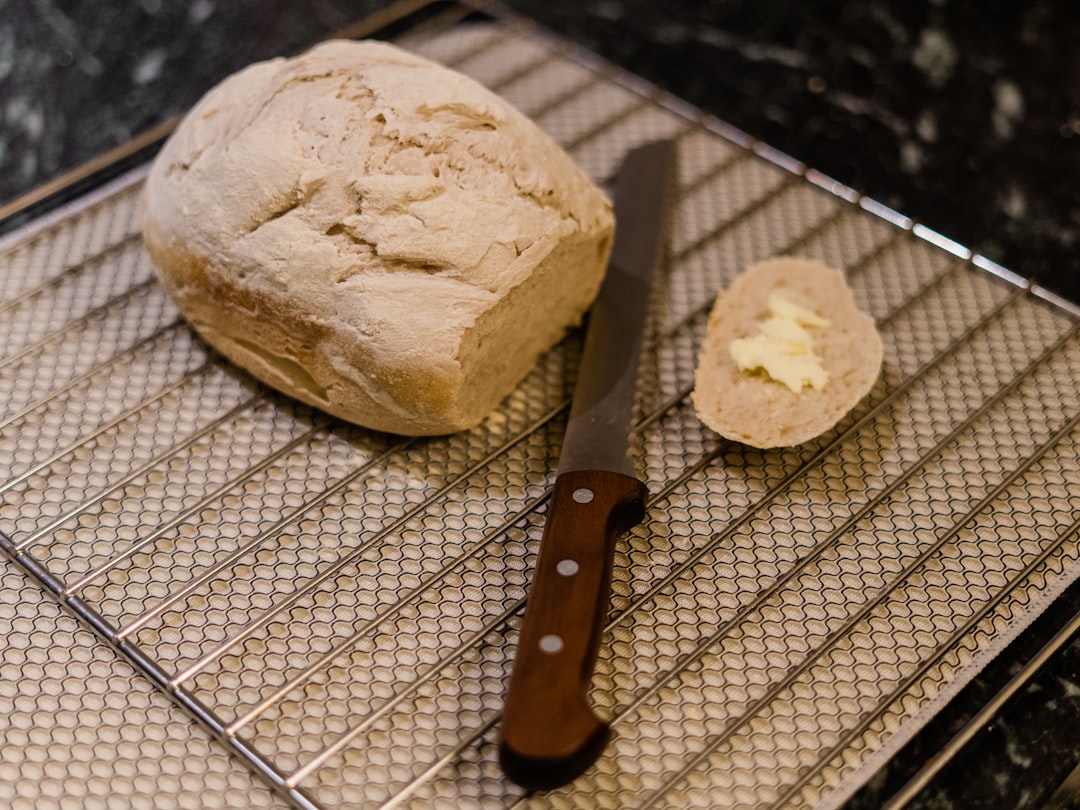
Sourdough bread recipes often involve a multi-stage process, typically beginning with a pre-ferment. This pre-ferment, known as a sourdough starter, is a living culture of wild yeasts and lactic acid bacteria. Its maintenance and activity significantly influence the final loaf’s characteristics. Baking with sourdough is a methodical process, yielding bread with a distinctive flavor and texture compared to loaves made with commercial yeast. The prolonged fermentation contributes to the bread’s digestibility and nutritional profile. This article will guide you through the fundamental principles and practical steps of creating satisfactory sourdough loaves at home.
A healthy sourdough starter is paramount to successful sourdough baking. It acts as the leavening agent, responsible for the bread’s rise and open crumb structure. The starter’s composition, primarily flour and water, houses a complex microbial ecosystem.
Maintaining Starter Activity
Regular feeding, typically every 12 to 24 hours when kept at room temperature, sustains the starter’s vitality. Feeding involves discarding a portion of the old starter and replenishing it with fresh flour and water. The ratio of old starter to new flour and water can vary, influencing the starter’s acidity and activity. A common feeding ratio is 1:1:1 (starter:flour:water by weight). For instance, if you have 50 grams of starter, you would add 50 grams of flour and 50 grams of water.
Hydration Levels in Starters
Sourdough starters are typically maintained at 100% hydration, meaning equal parts by weight of flour and water. This consistency allows for easy mixing and proper development of the microbial culture. Variations in hydration can alter the starter’s texture and influence its fermentation speed. A stiffer starter, with less water, ferments slower, while a more liquid starter ferments faster.
Signs of a Ready Starter
A robust starter, ready for baking, will exhibit several key traits. After feeding, it will typically double or triple in size within 4-8 hours at room temperature (70-75°F / 21-24°C). The surface will display numerous small bubbles, indicating active carbon dioxide production. A “float test” can further confirm its readiness: a small spoonful of starter dropped into water should float. If it sinks, it may need another feeding or more time to become active.
If you’re looking to elevate your sourdough baking skills, you might find this article on sourdough loaf bread recipes particularly helpful. It offers a variety of techniques and tips to achieve the perfect crust and crumb in your loaves. For more insights and detailed recipes, check out the article here: Sourdough Calculator Blog.
Essential Ingredients and Their Roles
Beyond the active sourdough starter, a few fundamental ingredients form the basis of most sourdough bread recipes. The quality and type of these ingredients significantly impact the final bread.
Flour Types and Their Influence
Different flours contribute unique properties to sourdough bread. Strong bread flour, with its higher protein content (typically 12-14%), develops strong gluten networks, essential for capturing the gases produced during fermentation and creating an open, airy crumb. Whole wheat flour, with its bran and germ intact, contributes more fiber, nutrients, and a richer, nuttier flavor. However, whole wheat flour can also make the dough denser and slower to rise due to its disruptive effect on gluten development. Rye flour, often used in smaller quantities, imparts a distinct sour flavor and can contribute to a tighter crumb structure. Blending different flours allows for customization of flavor, texture, and nutritional content. For instance, a common practice is to use a majority of strong white bread flour with a smaller percentage of whole wheat flour for a balance of characteristics.
Water Quality and Temperature
Water plays a crucial role in hydrating the flour to form gluten and activate the microbial life in the starter. Chlorinated water can inhibit yeast activity, so using filtered or dechlorinated water is often recommended. The temperature of the water used for mixing the dough also influences fermentation speed. Warmer water (around 80-90°F / 27-32°C) accelerates fermentation, while cooler water slows it down, allowing for a longer, colder bulk fermentation which can develop more complex flavors. Think of water temperature as a rheostat, adjusting the pace of your dough’s journey.
Salt: Flavor and Structure
Salt is not merely a flavor enhancer in sourdough bread; it also plays a critical role in controlling fermentation and strengthening the gluten network. Without salt, the dough can become overproofed quickly and result in a bland, mushy crumb. Salt tightens the gluten structure, contributing to better dough handling and a more even crumb development. Most sourdough recipes call for 1.8-2.2% salt by weight of flour. It’s often added after the initial autolyse phase to avoid inhibiting early gluten development.
The Sourdough Baking Process: A Step-by-Step Guide
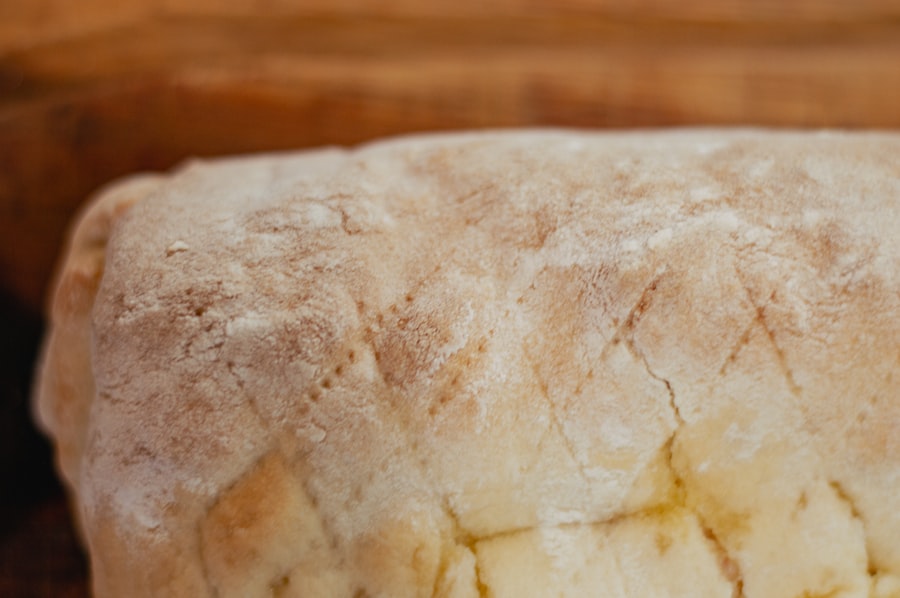
Baking sourdough bread is a multi-stage process, demanding patience and attention to detail. Each step contributes to the final loaf’s flavor, texture, and appearance.
Autolyse: Hydration and Gluten Development
The autolyse step involves mixing only flour and water, allowing them to rest for 30 minutes to an hour before adding the starter and salt. This initial hydration allows the flour to fully absorb water and activates enzymes that begin to break down starches, creating a more extensible and manageable dough. It’s like letting the flour wake up gently before the real work begins.
Mixing and Bulk Fermentation (Bulk Proof)
After the autolyse, the active starter and salt are incorporated into the dough. This begins the bulk fermentation, a crucial period where the yeast and bacteria in the starter metabolize sugars, producing carbon dioxide and organic acids. This phase is characterized by a series of “stretch and folds” or “coil folds,” which strengthen the gluten network and evenly distribute the fermentation byproducts throughout the dough. These folds are typically performed every 30-60 minutes for the first few hours of bulk fermentation. The duration of bulk fermentation depends on various factors: ambient temperature, starter activity, and desired dough extensibility. It can range from 3 to 12 hours. A good indicator of sufficient bulk fermentation is a noticeable increase in dough volume (20-50%) and the presence of gas bubbles on the surface and sides of the container. The dough should feel airy and pliable.
Shaping the Loaf
Once bulk fermentation is complete, the dough is gently turned out onto a lightly floured surface and pre-shaped into a round or oblong. This initial shaping helps to build tension in the dough’s surface and prepare it for the final shaping. After a short rest (15-30 minutes), the dough is then shaped into its final form, such as a boule (round) or a batard (oval). Proper shaping creates surface tension that helps the loaf maintain its structure during baking and promotes a good oven spring. Mastering shaping is like an artist molding clay, giving it its ultimate form before it solidifies.
Cold Proofing (Retarding)
After shaping, the dough is typically placed in a floured banneton (proofing basket) and cold-proofed in the refrigerator for 8 to 24 hours. Cold proofing slows down fermentation significantly, allowing for the slow development of complex flavors and organic acids, which contribute to the characteristic sourness of sourdough. It also makes the dough easier to handle and score. This slow maturation in the cold is akin to aging fine wine, allowing its true character to emerge.
Baking: Oven Spring and Crust Development
Baking sourdough bread involves high heat and steam. Most home bakers use a Dutch oven or a baking stone with an accompanying steam tray. The initial high heat (typically 450-500°F / 232-260°C) provides “oven spring,” a rapid expansion of the dough as the gases inside expand and the yeast has a final burst of activity before dying. The steam created by the enclosed environment of a Dutch oven or by adding water to a hot tray prevents the crust from forming too quickly, allowing for maximum expansion and a thin, crisp crust. After an initial period with the lid on (typically 20-30 minutes), the lid is removed, and the temperature may be lowered slightly to allow the crust to brown and fully develop. The baking time usually ranges from 35-50 minutes, depending on the loaf size and desired crust darkness.
Troubleshooting Common Sourdough Issues
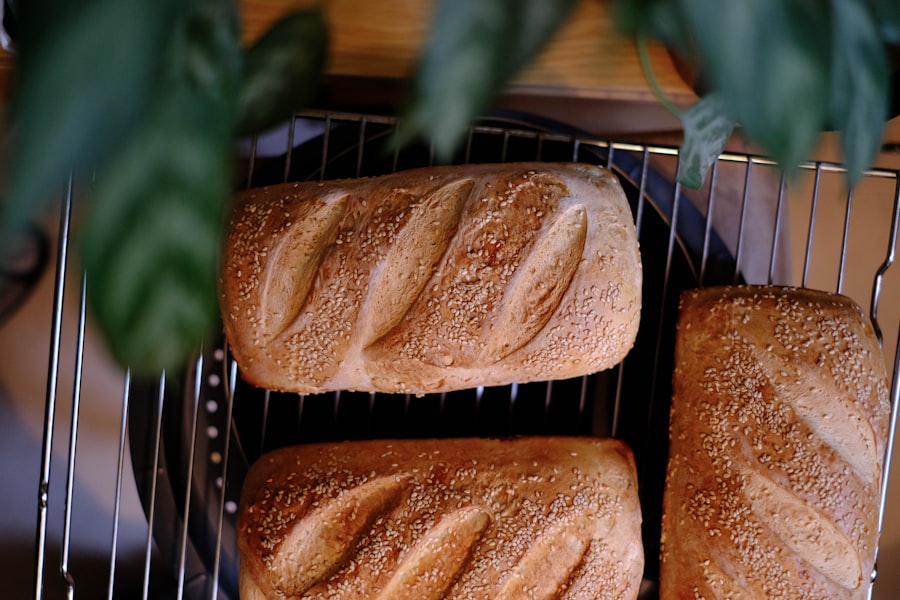
Even experienced bakers encounter challenges. Understanding common issues can help in diagnosing and rectifying problems.
Flat or Dense Loaf
A flat or dense loaf often indicates insufficient fermentation (underproofing) or excessive fermentation (overproofing). If underproofed, the starter may not have been active enough, or bulk fermentation was too short. The dough won’t have developed enough gas to create an open crumb. Conversely, overproofing leads to a breakdown of the gluten structure, causing the dough to collapse and lose its ability to hold gas. Other factors include insufficient gluten development due to inadequate kneading/folding or using low-protein flour.
Gummy or Undercooked Crumb
A gummy or undercooked crumb typically signifies insufficient baking. The internal temperature of a well-baked loaf should reach around 200-210°F (93-99°C). Ensuring the oven is preheated adequately and baking for the full recommended time, or even longer if needed, is crucial. Steam management is also a factor; too much steam for too long can inhibit proper crust development and lead to a softer, potentially gummy interior.
Lack of Sour Flavor
The “sour” in sourdough comes from the lactic acid bacteria in the starter. A lack of sourness might stem from a starter that is too young, has been fed too frequently (diluting acidity), or has been fermented at too warm a temperature. Longer, colder fermentation (cold proofing) typically enhances sourness. Using whole grain flours in the starter or dough can also contribute to a more pronounced sour flavor.
Crumb Too Tight or Closed
A tight, dense crumb can result from several issues. Insufficient hydration in the dough can lead to a less extensible gluten network. Under-fermentation limits gas production, while over-fermentation can cause the gluten structure to collapse, both leading to a denser crumb. Inadequate stretch and folds during bulk fermentation can also hinder gluten development and gas retention.
If you’re looking to elevate your sourdough baking skills, you might find it helpful to explore some expert tips that can enhance your technique. A great resource is an article that delves into mastering the art of sourdough, providing valuable insights for achieving perfect loaves every time. You can check it out here. With these tips, you’ll be well on your way to creating delicious and beautifully textured sourdough bread.
Recipe Variations and Enhancements
| Recipe Name | Hydration (%) | Fermentation Time (hours) | Baking Temperature (°F) | Baking Time (minutes) | Starter Percentage (%) | Crust Type | Texture |
|---|---|---|---|---|---|---|---|
| Classic Sourdough | 75 | 12 | 450 | 40 | 20 | Crunchy | Open crumb, chewy |
| Whole Wheat Sourdough | 70 | 14 | 425 | 35 | 25 | Thick and rustic | Dense, moist |
| Rye Sourdough | 80 | 16 | 440 | 38 | 30 | Firm crust | Moist, slightly sticky crumb |
| Seeded Sourdough | 75 | 12 | 450 | 40 | 20 | Crunchy with seeds | Open crumb, nutty flavor |
| Overnight Sourdough | 78 | 18 | 460 | 42 | 15 | Thin and crisp | Light, airy crumb |
Once the basic sourdough technique is mastered, numerous variations can be explored to customize flavor, texture, and nutritional content.
Adding Whole Grains
Incorporating flours like whole wheat, rye, spelt, or even ancient grains like einkorn or emmer can profoundly alter the bread’s character. Whole grains add nutritional value, distinct flavor profiles, and often a denser texture. When substituting a portion of white flour with whole grain, it’s often advisable to increase the hydration slightly, as whole grains absorb more water.
Enriched Sourdough Doughs
While traditional sourdough is lean (flour, water, salt, starter), enriching the dough with ingredients like milk, eggs, butter, or sugar can create softer, richer breads. Brioche or challah, for instance, can be adapted to sourdough techniques, resulting in complex flavors and tender crumbs. These additions typically slow down fermentation, so adjustments to proofing times may be necessary.
Incorporating Seeds, Nuts, and Dried Fruit
Adding inclusions like sesame seeds, poppy seeds, flax seeds, walnuts, pecans, cranberries, or raisins can provide textural contrast and additional flavor. Seeds can be toasted for enhanced aroma. When adding inclusions, it’s often best to do so during the final stages of mixing or during the later stretch and folds to ensure even distribution without damaging the gluten structure.
Sourdough Discard Applications
The portion of starter discarded before feeding can be utilized in various recipes instead of being thrown away. Sourdough discard adds a mild tang and unique texture to items like pancakes, waffles, crackers, muffins, and even savory flatbreads. This practice reduces waste and allows for experimentation with the sourdough flavor profile in different culinary contexts. This versatility transforms what might seem like waste into a culinary bonus.
Understanding the Science of Sourdough
At its core, sourdough baking is an applied science, an interaction of microbiology and biochemistry. A fundamental grasp of the scientific principles enhances problem-solving capabilities and fosters a deeper appreciation for the craft.
Microbiology of the Starter
The sourdough starter is a symbiotic culture of yeast (primarily Saccharomyces cerevisiae and other wild yeasts) and various lactic acid bacteria (LAB), such as Lactobacillus sanfranciscensis. The yeasts are responsible for producing carbon dioxide, which leavens the bread, and ethanol. The LAB produce lactic acid and acetic acid, which contribute to the characteristic sour taste, improve shelf life, and break down complex carbohydrates and proteins, making the bread more digestible. The balance of these microorganisms determines the starter’s activity and the bread’s flavor profile. Environmental conditions like temperature, hydration, and flour type influence which bacterial and yeast species thrive.
Gluten Development and Dough Structure
Gluten, a protein complex formed when gliadin and glutenin in flour are hydrated and worked, creates an elastic and extensible network. This network traps the carbon dioxide produced during fermentation, allowing the dough to rise. The “stretch and folds” performed during bulk fermentation strengthen this gluten network, creating a robust framework capable of holding the gas. Insufficient gluten development leads to a weak dough that cannot trap gas effectively, resulting in a dense crumb. Conversely, overworking the dough or excessive fermentation can lead to a breakdown of the gluten, causing the dough to become slack and difficult to handle.
Enzyme Activity
Flour contains enzymes, notably amylases and proteases. Amylases break down complex starches into simpler sugars, which the yeast can then metabolize. Proper enzymatic activity is crucial for providing sustenance to the microbial community throughout the long fermentation. Proteases, on the other hand, break down proteins, including gluten. While some proteolytic activity is desirable to make the dough more extensible, excessive protease activity can damage the gluten network, leading to a sticky, weak dough. The autolyse phase allows amylase activity to begin, preparing the sugars for the subsequent fermentation.
Conclusion
Sourdough bread baking is a rewarding endeavor that combines precision with an understanding of natural processes. From nurturing a vibrant starter to mastering the nuances of dough handling and fermentation, each step contributes to the creation of a nutritious and flavorful loaf. This journey is iterative; every bake offers lessons, refining your technique and deepening your connection to the ancient craft of bread making. Embrace the learning curve; a satisfying loaf awaits your sustained effort.

