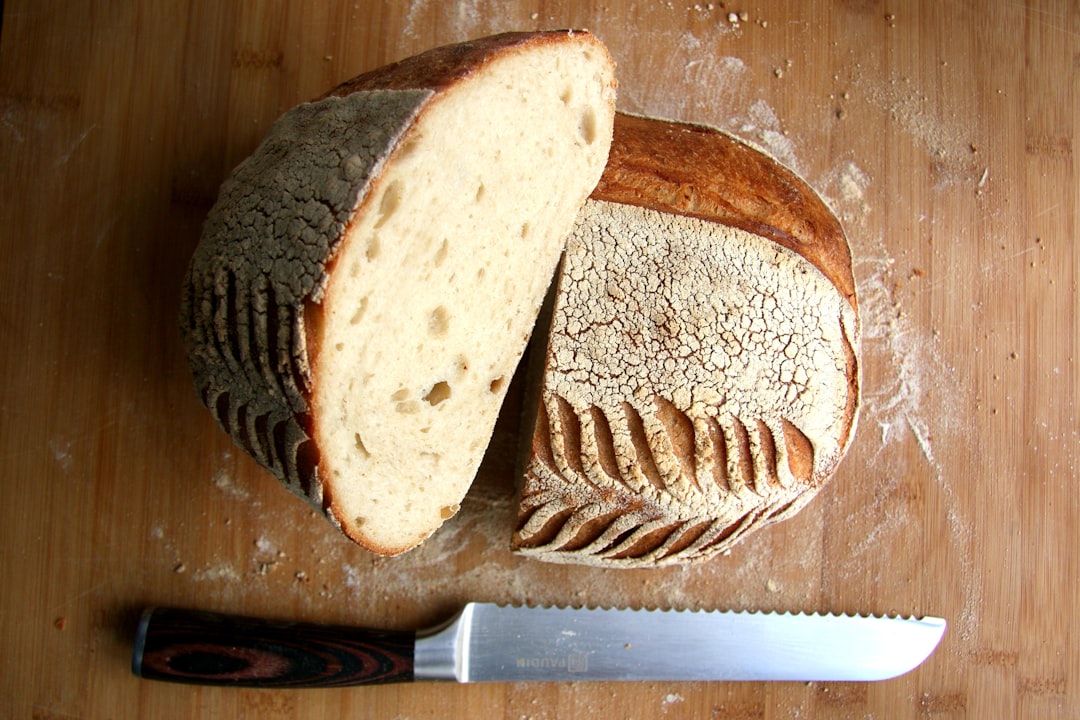
A mini sourdough loaf, often a scaled-down version of its full-sized counterpart, offers a concentrated and convenient sourdough experience. Its appeal lies in its portability, quick baking time, and the singular joy of a perfectly portioned, crusty exterior giving way to a tender, tangy crumb. These miniature versions can be born from active sourdough starter, a living culture of wild yeasts and bacteria, which serves as the leavening agent and the source of the characteristic sourdough flavor profile. The process mirrors that of larger sourdough loaves, involving the development of gluten, bulk fermentation, shaping, and a final proof before baking, albeit compressed into a shorter timeline.
The sourdough starter is more than just an ingredient; it is the lifeblood of the mini loaf. It is a symbiotic ecosystem, a complex community of microorganisms that, when fed and nurtured, produce the unique leavening and flavor that defines sourdough. For a baker embarking on the creation of mini sourdough loaves, understanding and maintaining a healthy starter is paramount. Think of the starter as a tiny, tireless alchemist, diligently working to transform simple flour and water into a potent agent of deliciousness.
Cultivating Your Sourdough Starter
The journey begins with flour and water. Typically, equal parts by weight are mixed, and this mixture is left to ferment at room temperature. Wild yeasts and lactic acid bacteria naturally present in flour and the environment colonize the mixture. Regular “feedings” – discarding a portion of the starter and replenishing it with fresh flour and water – are crucial. These feedings not only provide sustenance for the microorganisms but also help to regulate the temperature and acidity of the starter, guiding its development. The process can take several days to weeks for a starter to become mature and consistently active, showing signs of vigorous bubbling and a doubled volume after feeding. The aroma should be pleasantly tangy, not acrid or unpleasant.
If you’re interested in perfecting your baking skills, you might want to check out a related article on the science of sourdough fermentation and its impact on flavor and texture. This article provides valuable insights that can enhance your understanding of how to create the perfect mini sourdough loaf. For more information, visit this link.
Signs of a Healthy Starter
A healthy, active starter is characterized by its reliability. When fed, it should reliably double or even triple in volume within a few hours, displaying a bubbly, aerated texture. The aroma should be lactic and slightly vinegary, a testament to the activity of the lactic acid bacteria. A starter that remains sluggish, doesn’t rise, or has an off-putting smell may indicate an imbalance in the microbial population or inadequate feeding. This is analogous to a well

