Finding a great loaf of sourdough bread can feel like a quest. You know, that satisfying tang, the chewy interior, and that perfect crust. But where do you actually go to get your hands on one of those masterpieces? It really depends on what you’re looking for and where you’re located.
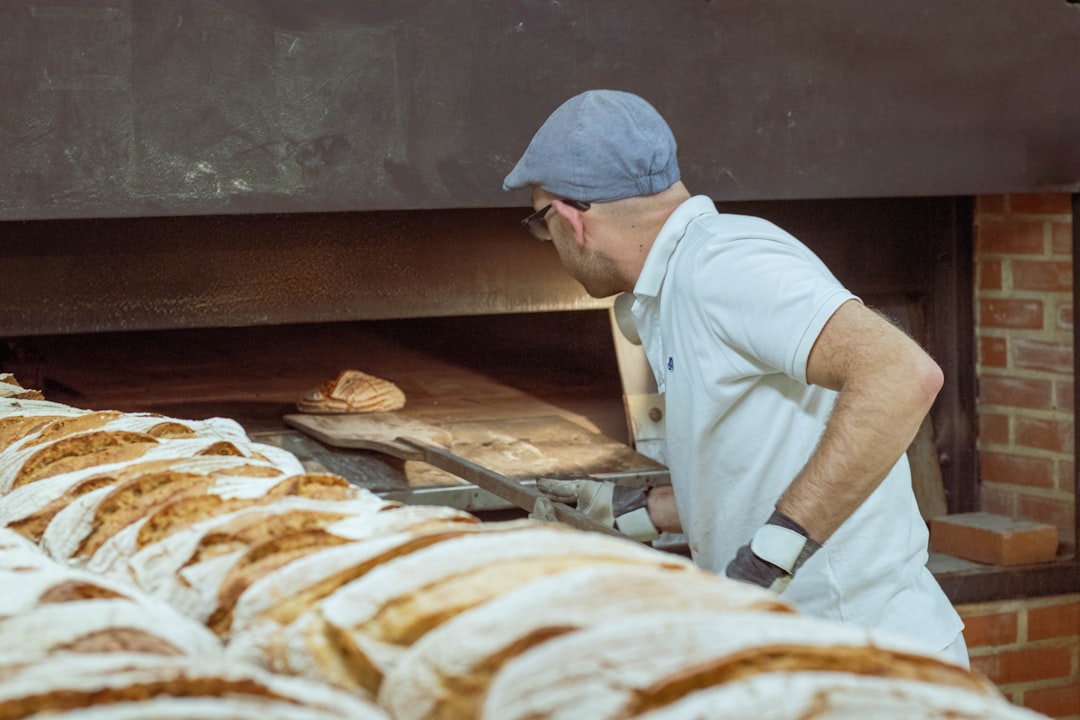
This is usually your best bet for truly exceptional sourdough. Local bakeries pride themselves on quality ingredients and a meticulous process.
The Art of the Sourdough Starter
- Freshness is Key: Bakeries often bake their sourdough daily, sometimes multiple times a day. This means you’re getting a loaf that’s just hours, not days, out of the oven.
- Know Your Baker: Many local bakers are passionate about their craft. They’re often happy to talk about their process, the flours they use, and what makes their sourdough unique. This personal connection adds to the experience.
- Variety is the Spice: You might find classic country sourdough, but also more adventurous options like olive and herb, rye integrals, or even sweet variations.
What to Look For
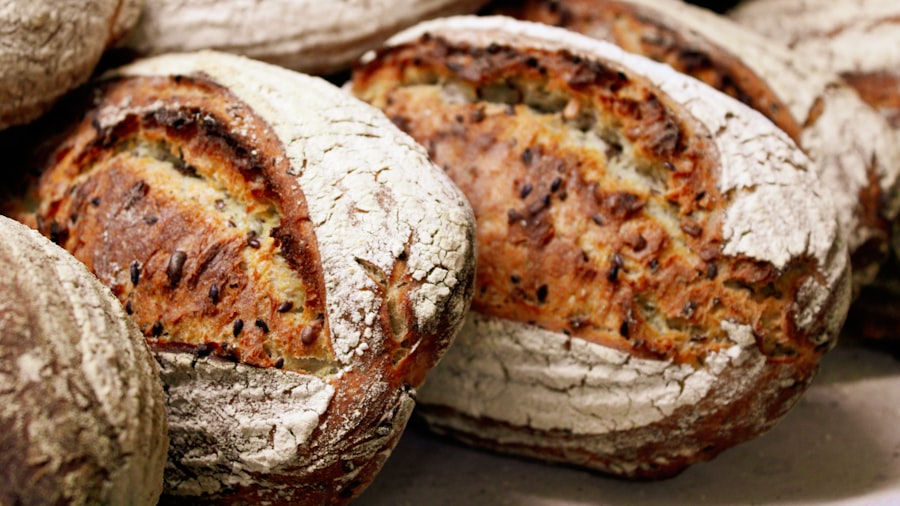
- Texture: A good sourdough should have an open, irregular crumb structure. This means the air pockets inside aren’t uniform and small.
- Aroma: The smell of a fresh sourdough is distinct – yeasty, slightly acidic, and inviting.
- Crust: It should be well-baked, with a good crunch and a rich, toasted color. Not pale and soft.
- Flavor: The hallmark of sourdough is that characteristic tang. It shouldn’t be overwhelmingly sour, but present enough to provide depth.
If you’re looking to delve deeper into the world of sourdough bread, you might find this article on sourdough baking techniques particularly helpful. It not only provides insights into the fermentation process but also offers tips on how to achieve the perfect crust and crumb. For those interested in purchasing high-quality sourdough bread or ingredients, you can check out this resource for recommendations on where to buy: Sourdough Calculator Blog.
Farmers Markets: A Seasonal Treasure Trove
Farmers markets offer a different kind of charm. You’re often buying directly from the baker, and the atmosphere is relaxed and community-focused.
Discovering Hidden Gems
- Direct from the Source: You can talk directly to the person who made your bread. They can tell you about their ingredients, their methods, and even give you tips on how to store it.
- Seasonal Offerings: Some bakers might feature special sourdoughs using seasonal ingredients like local fruits or vegetables.
- Supporting Small Businesses: Buying from a farmers market stall directly supports local artisans and their livelihoods.
What to Expect
- Limited Availability: Many market bakers have a set amount of bread they bake. Arrive early if you have your heart set on a specific loaf.
- Potential for Unique Flavors: Markets are a great place to discover smaller operations experimenting with different sourdough styles.
- Talk to the Baker: Engage with them! They are usually more than happy to share their passion and knowledge.
Specialty Food Stores & Delis: Curated Selections
These stores often have a more curated approach, seeking out high-quality producers to stock their shelves.
The Convenience Factor
- Quality Control: These establishments often have a reputation to uphold. They tend to choose sourdoughs from respected bakeries known for their standards.
- Wider Reach: You might find sourdough from bakeries beyond your immediate neighborhood, giving you access to a broader range of styles.
- Complementary Purchases: You can grab your sourdough alongside other gourmet ingredients like artisanal cheese or charcuterie.
Things to Consider
- Price Point: Specialty stores sometimes carry a higher price tag due to their sourcing and overheads.
- Freshness Variations: While often good, the bread might not be as fresh as picking it up directly from a bakery that same day. Check sell-by dates.
- Limited Interaction: You usually won’t get the same direct baker interaction as at a local bakery or market.
Online Bread Delivery Services: The Modern Approach
For those with busy schedules, or living in areas with fewer local options, online delivery is becoming increasingly popular.
Accessing Bread from Afar
- Broad Selection: Many services partner with bakeries across regions, offering a vast array of sourdough types you might not find locally.
- Convenience at Your Doorstep: The ultimate convenience – good bread delivered straight to you without leaving home.
- Discovering New Bakeries: These platforms are excellent for finding award-winning or highly-rated bakeries you’d otherwise never know about.
Navigating the Digital Market
- Shipping Times: This is a crucial factor. Bread that travels long distances might lose some of its crusty appeal. Look for services that specialize in next-day delivery or use efficient shipping methods.
- Packaging: How the bread is packaged can make a difference to its arrival condition.
- Reviews Matter: Rely on customer reviews to gauge the quality and freshness of the bread and the delivery service.
If you’re looking to enhance your sourdough baking skills, you might find valuable insights in a related article that discusses essential tips for perfect loaves every time. This guide covers everything from starter maintenance to baking techniques, making it a great resource for both beginners and seasoned bakers. For those interested in purchasing high-quality sourdough bread, you can explore various options available online or at local bakeries. To read more about mastering the art of sourdough, check out this informative piece here.
Supermarkets: The Accessible Option
| Store Name | Location | Price | Availability |
|---|---|---|---|
| Whole Foods | 123 Main St | 6.99 | In stock |
| Trader Joe’s | 456 Elm St | 4.99 | Out of stock |
| Local Bakery | 789 Oak St | 8.99 | In stock |
While not always the pinnacle of sourdough, many supermarkets now offer decent options, especially larger chains.
When Time or Location is a Constraint
- Ubiquitous Availability: Most supermarkets stock some form of sourdough, making it an easy pick-up when you’re already grocery shopping.
- Price Accessibility: Supermarket sourdough is generally more affordable than specialty options.
- Improving Quality: Many chains are partnering with established bakeries or improving their in-house baking, leading to better quality loaves.
What to Look For (and Avoid)
- “Sourdough-Flavored” vs. Real Sourdough: Be wary of loaves that are mass-produced with added yeasts and artificial flavors. The ingredient list is your friend here. Look for minimal ingredients: flour, water, salt.
- Baking Date: Check if there’s a bake date rather than just a sell-by date. Fresher is always better.
- Sensory Check: Even in a supermarket, you can still assess the crust for a bit of firmness and the loaf’s overall appearance. Avoid anything that looks pale or overly soft with no distinct crust development.
- Brand Reputation: Some supermarket brands have a better track record for their bread products than others. Do a quick online search if you’re unsure.
Making Your Own: The Ultimate Control
This might take the most effort, but it offers unparalleled control and satisfaction.
The Home Baker’s Journey
- Mastering the Starter: The sourdough starter is the heart of your bread. Nurturing it is a rewarding process.
- Ingredient Choice: You control every ingredient, from the type of flour to the salt. This allows for customization to your exact preferences.
- Timing and Patience: Sourdough requires time. This process encourages a slower, more mindful approach to baking.
Getting Started
- Sourdough Starter Recipes: Plenty of straightforward guides exist online for creating your own starter from scratch.
- Basic Sourdough Recipes: Start with simple, well-tested recipes designed for home bakers.
- Essential Equipment: You’ll need a scale, mixing bowls, a Danish dough whisk or similar, and an oven-safe pot (like a Dutch oven) for achieving that perfect crust.
- Practice Makes Perfect: Don’t be discouraged if your first few loaves aren’t perfect. Each bake is a learning experience.
Ultimately, the “best” place is subjective and depends on your priorities: immediate freshness, unique flavors, convenience, or the satisfaction of making it yourself. Exploring these different avenues will likely lead you to your perfect sourdough.

