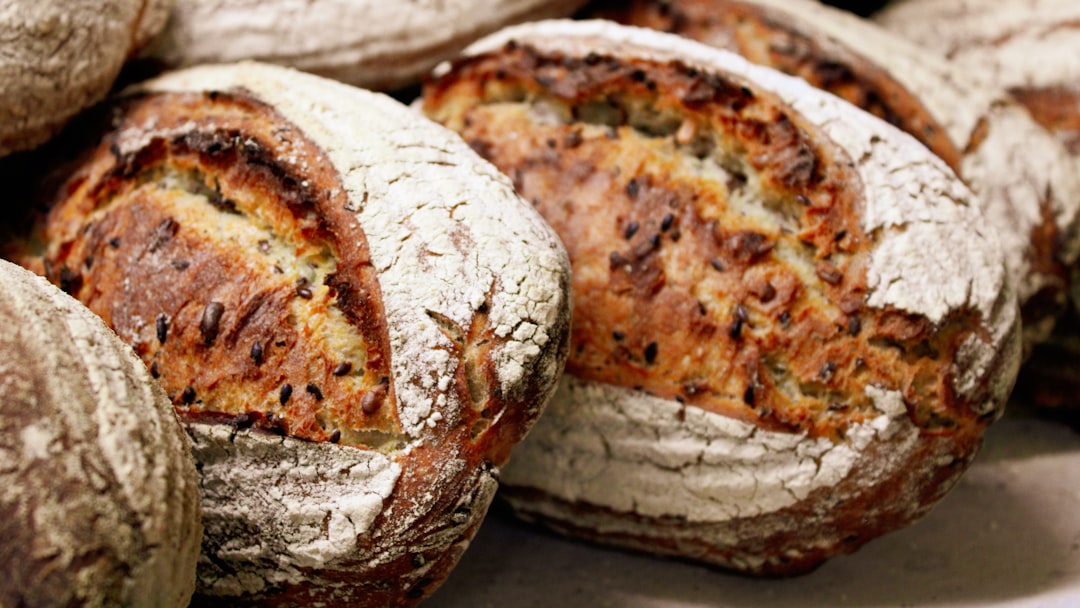
Let’s talk about pan sourdough. If you’ve ever wondered how to get that wonderfully crisp crust and airy interior in a loaf baked in a pan, you’re in the right place. It’s not about magic; it’s about understanding a few key techniques that make pan sourdough different from its free-form cousin.
Understanding the Pan’s Role
Baking sourdough in a pan changes the game. The pan essentially creates a small, contained oven environment around your dough, which influences how it browns, rises, and develops its crust.
Why a Pan?
A pan provides support for your dough. This is particularly helpful for wetter doughs that might otherwise spread out too much and become flat. It also helps to trap steam, which is crucial for developing that shiny, crisp crust.
Types of Pans
- Loaf Pans: The most common choice. Look for heavy-duty ones, either dark metal or cast iron, that conduct heat well. These will give you a more even bake and better browning.
- Cake Pans (Round/Square): These can also work, especially for more rustic styles. They offer a different shape and can influence the crumb structure slightly.
- Dutch Ovens (as a pan): While technically a pot, a Dutch oven with its lid off can function like a very effective pan, offering excellent heat retention and encouraging a good crust.
Pan Preparation
How you prepare your pan matters. A well-greased and floured pan prevents sticking and promotes a cleaner release.
- Greasing: Use butter, oil, or cooking spray. Ensure you get into all the corners.
- Flouring: A light dusting of flour (regular or, for an extra crispy bottom, cornmeal or semolina) adds another layer of non-stick and contributes to the crust’s texture.
If you’re looking to enhance your sourdough baking skills, you might find this article on mastering the art of sourdough particularly helpful. It offers valuable tips for achieving perfect loaves every time, which can complement your journey with pan sourdough. You can read more about it here: Mastering the Art of Sourdough: Tips for Perfect Loaves Every Time.
Dough Hydration: The Foundation of Pan Sourdough
The amount of water in your sourdough plays a significant role in how it behaves in the pan. Pan sourdough often benefits from a slightly different hydration level than free-form loaves.
What is Hydration?
Hydration refers to the ratio of water to flour in your dough, expressed as a percentage. Higher hydration means wetter dough.
Hydration for Pan Sourdough
Many bakers find that a slightly lower hydration (around 70-75%) works well for pan sourdough. This makes the dough easier to handle and shape within the confines of the pan, reducing the risk of it spreading too much before it has a chance to set.
- Why Lower Hydration Can Be Good: Easier to manage during shaping and bench rest. It’s less likely to ooze over the sides of the pan.
- When Higher Hydration Works: If you’re comfortable with wetter doughs and have a robust starter, you can still achieve excellent results with higher hydration. The pan will provide the necessary support.
Adjusting Your Recipe
If you’re used to a high-hydration free-form recipe, consider reducing the water by 5-10% for a pan version. You can always add a little more water back in subsequent bakes if you find it too stiff.
Shaping and Proofing for Pan Sourdough
How you shape and proof your dough directly impacts its final appearance and texture in the pan. It’s about creating tension and preparing for that oven spring.
Pre-Shaping
Before the final shape, a gentle pre-shape helps to organize the gluten structure and build some initial tension.
- Gentle Hands: Avoid degassing the dough too much. You want to retain the air created by fermentation.
- Creating a Ball/Log: Depending on your pan shape, you’ll want to form a rough ball or a log that will fit snugly.
Final Shaping for the Pan
This is where you tailor your shaping to fit the pan. The goal is to create a taut surface that will hold its shape during proofing and baking.
- For Loaf Pans: You typically want to create a smooth, oven-ready log that will fill the pan from side to side, but not overflow. Fold the dough over itself to create surface tension.
- For Round/Square Pans: A round boule or a slightly flattened square shape might be appropriate.
The Role of Proofing
Proofing is the final rise after shaping. The pan itself becomes part of this process.
- In-Pan Proofing: Many people proof their dough directly in the pan. This is convenient and ensures the dough is positioned for optimal baking.
- Temperature and Time: Watch for visual cues rather than relying solely on time. The dough should feel puffy and spring back slowly when gently poked. Over-proofing in the pan can lead to a collapsed loaf.
Baking Techniques for the Perfect Crust
The crust is often what sets pan sourdough apart. It can achieve a different kind of crispiness compared to a free-form loaf.
Initial Oven Temperature
A hot oven is essential for good oven spring and crust development.
- High Heat Start: Preheat your oven to a high temperature, typically between 450-500°F (230-260°C).
- Why Temperature Matters: This initial blast of heat encourages the dough to expand rapidly, creating those airy pockets.
Steam, Steam, Steam!
Steam is your best friend for a good sourdough crust, and the pan can help with this.
- Trapping Steam: When you first put the pan in the oven, there’s a lot of moisture in the dough. The enclosed space of the pan, and the oven itself, will trap this steam.
- Adding Steam (Optional but Recommended):
- Water Pan: Place a separate tray of hot water on the rack below your sourdough pan during the initial baking phase.
- Spritzing: Some bakers lightly spritz the oven walls with water just before putting the loaf in.
- Duration: You typically want to steam for the first 15-20 minutes of baking.
Reducing Heat and Finishing the Bake
After the initial high-heat steaming phase, you’ll likely need to adjust your oven.
- Lower Temperature: Typically, you’ll reduce the oven temperature to around 400-425°F (205-220°C) for the remainder of the bake.
- Uncovering (if applicable): If you’re using a lidded loaf pan or a Dutch oven, you’ll remove the lid at this stage to allow the crust to brown and crisp up.
- Baking Until Done: Bake until the crust is a deep golden brown and the internal temperature of the loaf reaches 205-210°F (96-99°C) when measured with an instant-read thermometer.
If you’re looking to enhance your baking skills, you might find the article on sourdough techniques particularly helpful, especially when it comes to mastering the art of pan sourdough. This resource offers valuable insights into fermentation times and hydration levels, which can significantly impact the texture and flavor of your bread. Exploring these techniques can elevate your baking experience and help you create the perfect loaf every time.
Cooling and Understanding the Crumb
The cooling process is just as important as the baking; it allows the internal structure to set and the flavors to develop fully.
The Crucial Cooling Stage
Resist the urge to slice into your hot loaf!
- Wire Rack: Transfer the loaf immediately to a wire rack once it comes out of the oven. This allows air to circulate all around the loaf, preventing the bottom from becoming soggy.
- Patience is Key: Allow the loaf to cool for at least 2-4 hours. This is when the moisture within the crumb redistributes, and the structure solidifies.
What to Expect from the Crumb
- Pan Influence: The pan can sometimes lead to a slightly more closed crumb, especially around the edges that touched the pan. This isn’t necessarily a bad thing.
- Evenness: The support of the pan often results in a more uniform crumb structure throughout the loaf compared to free-form, where irregular pockets are more common.
- Crisp Edges: The bottom and sides of the loaf that are in contact with the pan will typically have a very desirable crispness.
Troubleshooting Common Issues
- Soggy Bottom: Usually due to insufficient baking time, not enough heat for the final browning, or not cooling on a wire rack. Ensure your oven is hot enough and bake until the bottom sounds hollow when tapped.
- Dense Crumb: Could be a sign of under-proofing, weak starter, or over-handling of the dough during shaping.
- Uneven Rise: Can happen if the pan isn’t balanced, or if the dough wasn’t shaped evenly to fill the pan.
By focusing on these practical steps – understanding the pan’s role, managing dough hydration, mastering shaping and proofing, and employing the right baking and cooling techniques – you’ll be well on your way to perfecting your pan sourdough art. It’s a rewarding process, and the delicious results are absolutely worth the effort.

