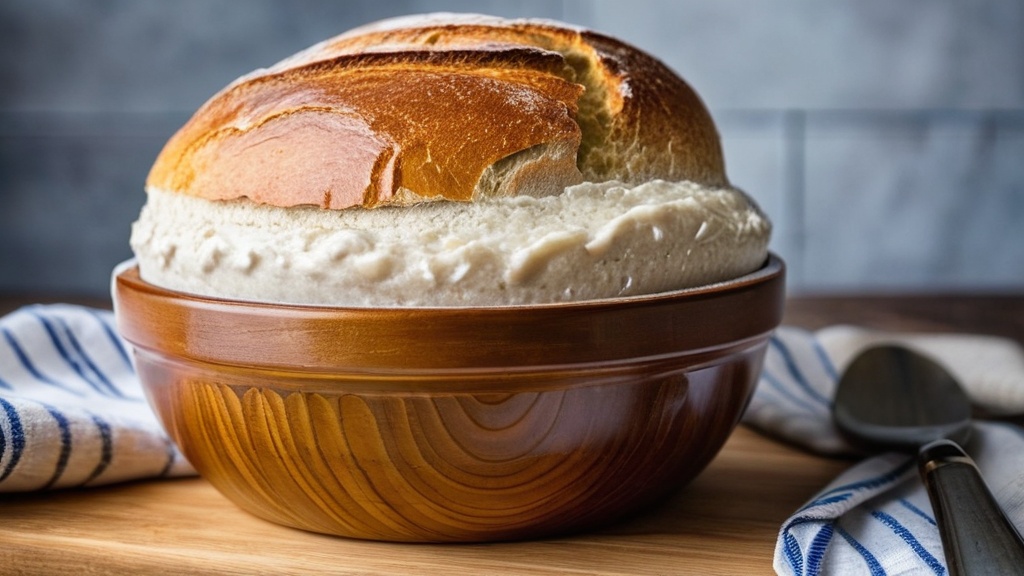
Sourdough bread is a delightful and tangy loaf that has captured the hearts of bakers and bread lovers alike. Unlike your typical bread, which relies on commercial yeast for leavening, sourdough uses a natural starter made from flour and water. This starter is a living culture of wild yeast and bacteria that ferments the dough, giving sourdough its unique flavor and texture.
The result is a crusty exterior with a chewy, airy crumb that’s simply irresistible. What sets sourdough apart is not just its taste but also its character. Each loaf tells a story, influenced by the environment, the flour used, and even the baker’s technique.
When you bake sourdough, you’re not just following a recipe; you’re engaging in a time-honored tradition that connects you to bakers from centuries past. So, whether you’re slathering it with butter or using it for a gourmet sandwich, sourdough bread is more than just food; it’s an experience. Check out the Hydration Calculator to help you determine the hydration level of your sourdough starter.
Key Takeaways
- Sourdough bread is a type of bread made from naturally fermented dough, using wild yeast and lactobacilli bacteria.
- The history of sourdough bread dates back to ancient Egypt and has been a staple in many cultures around the world.
- Health benefits of sourdough bread include easier digestion, lower glycemic index, and higher nutrient absorption.
- Sourdough bread works through the process of fermentation, which breaks down gluten and phytic acid, making it easier to digest.
- The science behind sourdough bread fermentation involves the interaction of wild yeast and lactobacilli bacteria, producing carbon dioxide and organic acids.
The History of Sourdough Bread
The history of sourdough bread stretches back thousands of years, making it one of the oldest forms of bread known to humanity. Archaeological evidence suggests that ancient Egyptians were baking sourdough as far back as 1500 BThey discovered that leaving dough out to ferment naturally allowed wild yeast and bacteria to thrive, creating a leavening effect that made their bread rise. This method was revolutionary at the time and laid the foundation for bread-making practices that would follow.
As civilizations evolved, so did the techniques for making sourdough. The Greeks and Romans embraced this method, spreading it throughout Europe. By the Middle Ages, sourdough had become the staple bread for many cultures, particularly in France and Germany.
Each region developed its own unique variations based on local ingredients and climate conditions. Fast forward to today, and sourdough has seen a resurgence in popularity, with home bakers and artisan bakeries celebrating its rich history and complex flavors.
Health Benefits of Sourdough Bread

Sourdough bread isn’t just delicious; it also comes with a host of health benefits that make it a smart choice for your diet. One of the standout features of sourdough is its lower glycemic index compared to other breads. This means it can help regulate blood sugar levels, making it a better option for those watching their sugar intake.
The fermentation process breaks down some of the carbohydrates, allowing your body to digest it more slowly. Moreover, sourdough is easier to digest than many other types of bread. The natural fermentation process helps break down gluten and phytic acid, which can inhibit nutrient absorption.
This means that not only are you getting more nutrients from your bread, but you may also find it gentler on your stomach. Plus, the presence of beneficial bacteria from the fermentation process can contribute to gut health, making sourdough a tasty way to support your overall well-being.
How Sourdough Bread Works
At its core, sourdough bread works through a fascinating interplay between wild yeast and lactic acid bacteria present in your starter. When you mix flour and water to create your starter, you’re essentially cultivating these microorganisms. As they feed on the sugars in the flour, they produce carbon dioxide gas, which causes the dough to rise.
This is what gives sourdough its characteristic airy texture. The magic doesn’t stop there! The lactic acid bacteria also produce organic acids during fermentation, which contribute to the tangy flavor of sourdough.
This process takes time—often several hours or even overnight—allowing the flavors to develop fully. Patience is key here; good things come to those who wait! So when you see your dough bubbling and rising, know that it’s all part of the beautiful transformation into that perfect loaf of sourdough.
The Science Behind Sourdough Bread Fermentation
Fermentation is where the real science happens in sourdough bread-making. When you mix your starter with flour and water, you kick off a series of biochemical reactions. The wild yeast begins to consume sugars in the flour, producing carbon dioxide gas as a byproduct.
This gas gets trapped in the dough, causing it to rise and develop those lovely air pockets we all adore. Meanwhile, the lactic acid bacteria are hard at work too! They produce lactic acid and acetic acid during fermentation, which not only gives sourdough its signature tang but also helps preserve the bread naturally.
The acids lower the pH of the dough, creating an environment that inhibits harmful bacteria while promoting beneficial ones. This dual action of yeast and bacteria working together is what makes sourdough so special—and so delicious!
Sourdough Bread for Beginners: Getting Started

If you’re new to baking sourdough bread, don’t worry! Getting started is easier than you might think. First things first: you’ll need a sourdough starter.
You can either make your own from scratch or acquire one from a friend or local bakery. Making your own starter involves mixing equal parts flour and water and letting it sit at room temperature for several days until it becomes bubbly and active. It’s like nurturing a little pet—feed it regularly and watch it grow!
Once you have your starter ready, it’s time to dive into baking! Start with a simple recipe that includes flour, water, salt, and your active starter. Mix these ingredients together until they form a shaggy dough, then let it rest for about 30 minutes before kneading or folding it.
This resting period allows the flour to fully hydrate—a crucial step for achieving that perfect texture later on. Remember, practice makes perfect! Don’t be discouraged if your first loaf isn’t perfect; every bake is a learning experience.
Tips for Baking Sourdough Bread at Home
Baking sourdough bread at home can be incredibly rewarding, but there are a few tips that can help you along the way. First off, pay attention to hydration levels in your dough. Higher hydration (more water) can lead to a more open crumb structure but may be trickier to handle if you’re just starting out.
If you’re feeling adventurous, try experimenting with different hydration levels as you gain confidence. Another important tip is to be patient! Sourdough requires time for fermentation and proofing, so don’t rush the process.
Allow your dough to rise until it has doubled in size—this can take anywhere from 4 to 12 hours depending on temperature and humidity. Also, consider using a kitchen scale for measuring ingredients; this ensures accuracy and consistency in your bakes. And remember: every loaf is an opportunity to learn something new!
Exploring Different Varieties of Sourdough Bread
Once you’ve mastered the basics of sourdough bread-making, why not explore some different varieties? There are countless ways to put your own spin on this classic loaf! For instance, you can add whole grains like spelt or rye for added flavor and nutrition.
Incorporating seeds or nuts can also give your bread an exciting crunch. You might also want to experiment with different flavorings—think herbs like rosemary or garlic for savory loaves or dried fruits like cranberries or apricots for something sweet. Each variation brings its own unique character to the table while still maintaining that beloved sourdough essence.
So go ahead—get creative in the kitchen! Your taste buds will thank you for it. In conclusion, baking sourdough bread is not just about creating something delicious; it’s about connecting with tradition and enjoying the process of making something from scratch.
With patience and practice, you’ll find yourself crafting beautiful loaves that not only taste amazing but also nourish both body and soul. So roll up those sleeves and get ready to embark on your sourdough journey—happy baking!
For those interested in delving deeper into the world of sourdough, a related article titled “Mastering the Art of Sourdough: Tips for Perfect Loaves Every Time” offers valuable insights and practical advice for both novice and experienced bakers. This article complements the information found in “What Is Sourdough Bread? History, Health Benefits, and How It Works” by providing detailed techniques and tips to achieve the perfect sourdough loaf. You can read more about it by visiting the following link: Mastering the Art of Sourdough: Tips for Perfect Loaves Every Time.
Get Your Perfect Sourdough Ratio!
FAQs
What is sourdough bread?
Sourdough bread is a type of bread made from naturally occurring wild yeast and lactic acid bacteria. It has a slightly tangy flavor and a chewy texture.
What is the history of sourdough bread?
Sourdough bread has been around for thousands of years, with evidence of its existence dating back to ancient Egypt. It was a popular form of bread in Europe during the Middle Ages and was brought to the Americas during the Gold Rush.
What are the health benefits of sourdough bread?
Sourdough bread has several potential health benefits, including improved digestion, better blood sugar control, and increased nutrient absorption. It also tends to have a lower glycemic index compared to other types of bread.
How does sourdough bread work?
Sourdough bread is made through a fermentation process that involves mixing flour and water and allowing it to ferment naturally with wild yeast and lactic acid bacteria. This process gives sourdough bread its characteristic flavor and texture.

