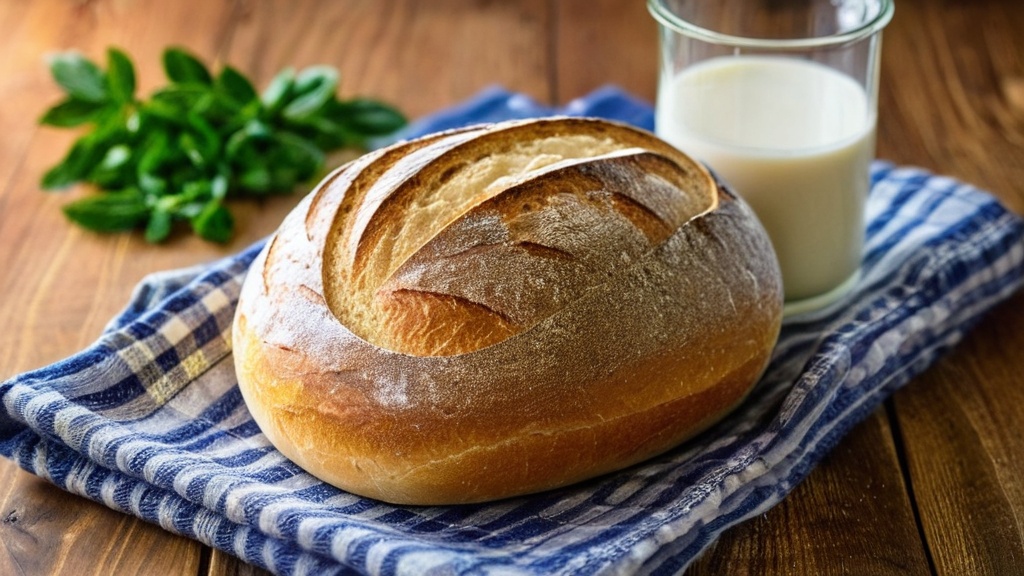
When you embark on your sourdough journey, one of the first things you’ll encounter is the feeding schedule for your sourdough starter. Think of your starter as a pet; it needs regular care and attention to thrive. A sourdough starter is a mixture of flour and water that captures wild yeast and bacteria from the environment.
This living culture requires feeding to stay active and healthy, which means you’ll need to provide it with fresh flour and water at regular intervals. The feeding schedule can vary based on how often you bake and the conditions in your kitchen. Feeding your starter is not just about adding flour and water; it’s about creating an environment where the yeast can flourish.
A well-fed starter will bubble up, double in size, and develop a pleasant, tangy aroma. This is a sign that your starter is happy and ready to help you create delicious sourdough bread. If you’re new to this, don’t worry!
Establishing a feeding routine will soon become second nature, and you’ll find joy in watching your starter grow and change. Check out the Hydration Calculator to help you determine the hydration level of your sourdough starter.
Key Takeaways
- Understanding the sourdough starter feeding schedule is crucial for maintaining a healthy and active starter.
- Factors to consider when feeding your sourdough starter include the type of flour used, the hydration level, and the ambient temperature.
- Consistency in feeding your sourdough starter is important for developing and maintaining its strength and flavor.
- The frequency of feeding your sourdough starter depends on factors such as room temperature and starter activity.
- Overfeeding or underfeeding your sourdough starter can lead to issues such as a weak starter, off-flavors, or hooch formation.
Factors to Consider When Feeding Your Sourdough Starter
Several factors come into play when determining how to feed your sourdough starter effectively. First and foremost is the temperature of your kitchen. Yeast loves warmth, so if your kitchen is on the cooler side, your starter may take longer to rise and become active.
Conversely, if it’s too warm, the yeast can become overactive, leading to a less flavorful bread. Ideally, a temperature range of 70°F to 75°F (21°C to 24°C) is perfect for nurturing your starter. Another important factor is the hydration level of your starter.
Hydration refers to the ratio of water to flour in your mixture. A higher hydration starter (more water) will yield a more open crumb in your bread, while a lower hydration starter (less water) will produce a denser loaf. You’ll want to consider what kind of bread you’re aiming for when deciding on the hydration level.
Experimenting with different ratios can be a fun way to discover what works best for you and your baking style.
The Importance of Consistency in Feeding Your Sourdough Starter
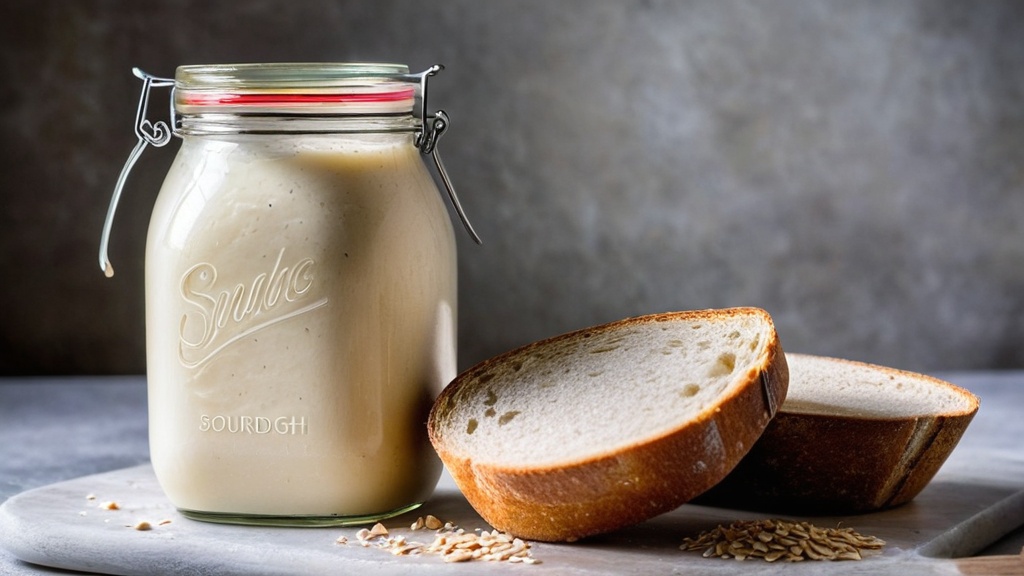
Consistency is key when it comes to feeding your sourdough starter. Just like any living organism, your starter thrives on routine. By feeding it at the same time each day or every few days, you help establish a rhythm that keeps the yeast and bacteria balanced.
This consistency not only helps maintain the health of your starter but also ensures that it produces reliable results when you’re ready to bake. If you’re someone who tends to forget things (we’ve all been there!), consider setting a reminder on your phone or leaving a note in a visible spot in your kitchen. You might even want to keep a feeding log to track how your starter responds over time.
This way, you can adjust your routine based on its activity levels and ensure that you’re always ready for that next baking adventure.
How Often Should You Feed Your Sourdough Starter?
The frequency of feeding your sourdough starter largely depends on how often you plan to use it. If you’re baking regularly—say, every day or every other day—you’ll want to feed your starter daily. This keeps it active and ready for action whenever you need it.
On the other hand, if you’re baking less frequently, you can get away with feeding it every few days or even once a week. For those who might be going on vacation or taking a break from baking, don’t fret! You can store your starter in the refrigerator to slow down its activity.
Just remember to feed it before putting it in the fridge and again after taking it out. This way, you can maintain its health without having to feed it daily while you’re away.
What Happens if You Overfeed or Underfeed Your Sourdough Starter?
Overfeeding or underfeeding your sourdough starter can lead to some unfortunate consequences, but don’t panic! If you overfeed your starter—meaning you add too much flour and water—it can dilute the yeast population, making it less effective for leavening bread. You might notice that your starter doesn’t rise as much as it should or that it develops an off smell.
If this happens, simply reduce the amount of flour and water in future feedings until you find the right balance. On the flip side, underfeeding can lead to a sluggish starter that struggles to rise. If you notice that your starter is not bubbling or doubling in size after feeding, it may be time to give it a little more love and attention.
A good rule of thumb is to observe its behavior; if it’s not performing as expected, adjust your feeding schedule accordingly.
Tips for Maintaining a Healthy Sourdough Starter Feeding Routine
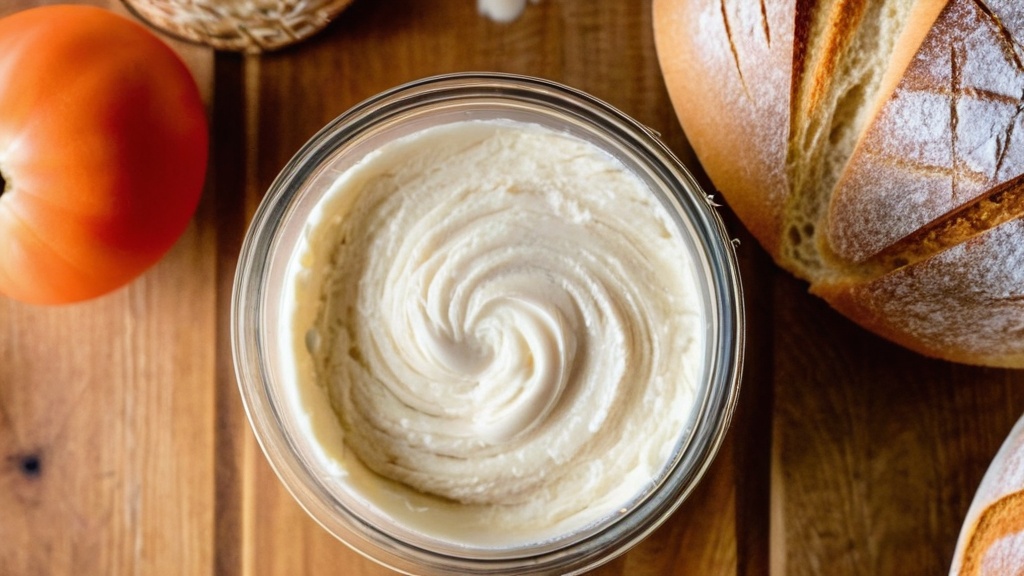
Maintaining a healthy sourdough starter doesn’t have to be complicated! Here are some practical tips to help you keep things running smoothly. First, always use clean utensils when handling your starter.
This helps prevent unwanted bacteria from contaminating your culture. Second, make sure to use high-quality flour; organic or unbleached flours tend to work best for nurturing yeast. Another tip is to keep an eye on the consistency of your starter after feeding.
It should be thick but pourable—think pancake batter! If it’s too runny or too thick, adjust the water or flour accordingly during your next feeding. Lastly, don’t be afraid to experiment!
Every kitchen is different, so what works for one baker may not work for another. Trust your instincts and have fun with the process!
Adjusting the Feeding Schedule Based on Temperature and Activity
As mentioned earlier, temperature plays a significant role in how often you should feed your sourdough starter. If you live in a warmer climate or it’s summer in your area, you may find that your starter becomes active more quickly than usual. In this case, consider feeding it more frequently—perhaps twice a day—to keep up with its demands.
Conversely, during colder months or in cooler kitchens, you might find that your starter takes longer to rise after feeding. In this scenario, extending the time between feedings can help maintain its health without overwhelming it with too much food at once. Pay attention to how your starter behaves; adjusting based on its activity will lead to better results in the long run.
Troubleshooting Common Issues with Sourdough Starter Feeding
Even seasoned bakers encounter issues with their sourdough starters from time to time—don’t let it discourage you! One common problem is hooch formation, which is a layer of liquid that can develop on top of an inactive starter. This usually indicates that your starter is hungry and needs feeding!
Simply pour off the hooch and give it a good feed; it should perk right up. Another issue could be an overly sour smell or taste in your bread. This can happen if your starter has been left too long between feedings or if it’s been stored at too warm a temperature.
To remedy this, try adjusting your feeding schedule or moving your starter to a cooler spot in the kitchen. Remember, baking is all about learning from experience—so embrace those little hiccups along the way! In conclusion, caring for a sourdough starter is both an art and a science that requires attention and love.
By understanding the feeding schedule, considering various factors like temperature and hydration, maintaining consistency, and troubleshooting common issues, you’ll be well on your way to creating delicious sourdough bread that will impress family and friends alike! So roll up those sleeves, grab some flour and water, and let’s get baking!
If you’re delving into the world of sourdough and have just read “How Often Should You Feed Your Sourdough Starter? A Complete Guide,” you might also find it beneficial to explore additional resources to enhance your baking skills. A related article that could be of interest is Mastering the Art of Sourdough: Tips for Perfect Loaves Every Time. This article provides valuable insights and techniques to help you achieve consistently excellent results with your sourdough loaves, complementing the foundational knowledge of maintaining a healthy starter.
Get Your Perfect Sourdough Ratio!
FAQs
What is a sourdough starter?
A sourdough starter is a mixture of flour and water that has been fermented by naturally occurring wild yeast and lactic acid bacteria. It is used as a leavening agent in sourdough bread baking.
How often should you feed your sourdough starter?
The frequency of feeding your sourdough starter depends on how often you use it. If you bake with it regularly, you should feed it daily. If you only bake occasionally, you can feed it once a week and store it in the refrigerator.
What is the feeding process for a sourdough starter?
To feed a sourdough starter, you typically discard a portion of the existing starter and then add fresh flour and water to the remaining starter. The ratio of flour to water and the amount of starter to discard can vary depending on the specific recipe or feeding schedule.
What happens if you don’t feed your sourdough starter regularly?
If a sourdough starter is not fed regularly, the wild yeast and bacteria in the starter may become less active, leading to a weaker leavening power and a less flavorful end product. It may also develop off-flavors or mold if neglected for too long.
Can you revive a neglected sourdough starter?
Yes, a neglected sourdough starter can often be revived by discarding a portion of the starter and then feeding it regularly for a few days. This can help to reinvigorate the wild yeast and bacteria in the starter.

