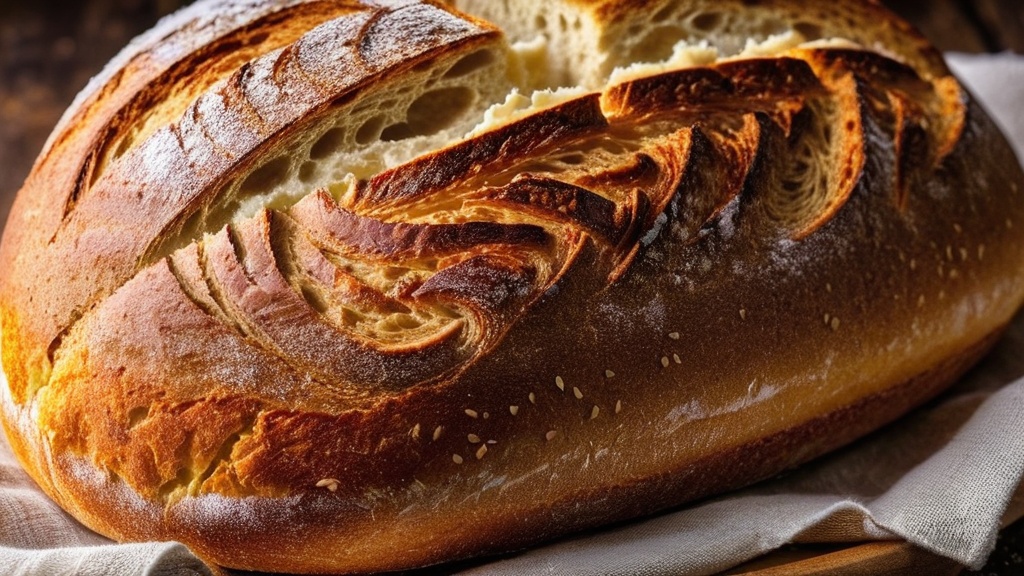
Panettone, that delightful dome-shaped bread, has a rich history that dates back to the early 20th century in Milan, Italy. While its exact origins are a bit murky, many believe it traces back to the Middle Ages. Legend has it that a nobleman named Ughetto degli Atellani fell in love with the daughter of a baker.
To win her heart, he disguised himself as a baker and created a sweet bread with candied fruits and raisins, which eventually became known as panettone. This charming tale captures the essence of panettone: a labor of love that has transcended generations. As time marched on, panettone evolved from a local delicacy to an international sensation.
By the late 19th century, it was being mass-produced and shipped across Italy and beyond. The bread’s unique texture and flavor, combined with its festive presentation, made it a staple during Christmas celebrations. Today, panettone is enjoyed not just in Italy but around the globe, with variations that reflect local tastes and traditions.
From artisanal bakeries to supermarket shelves, this sweet bread has become synonymous with holiday cheer.
Key Takeaways
- Panettone originated in Milan and has become a beloved Christmas tradition across Italy and beyond.
- Sourdough panettone requires a careful, step-by-step process that highlights the art of natural fermentation.
- Unique ingredients like natural sourdough starter and high-quality dried fruits distinguish sourdough panettone.
- Mastering tips and tricks can help bakers achieve the perfect texture and flavor in their sourdough panettone.
- Modern variations and innovative trends are shaping the future of this classic Italian holiday bread.
The Significance of Panettone in Italian Christmas Traditions
In Italy, Christmas is a time for family gatherings, feasting, and cherished traditions, and panettone plays a starring role in these celebrations. It is often gifted to friends and family, symbolizing goodwill and festive spirit. The act of sharing panettone is more than just a culinary gesture; it represents the warmth of community and the joy of togetherness during the holiday season.
Many families have their own recipes passed down through generations, making each loaf a unique piece of their heritage. On Christmas Eve, it’s common for families to gather around the table to enjoy a lavish meal that culminates in the slicing of panettone. This sweet bread is often served with a glass of sweet wine or paired with coffee, creating a delightful end to the evening.
In some regions, it’s even customary to leave a slice out for Santa Claus! The aroma of freshly baked panettone wafting through homes during the holidays evokes nostalgia and warmth, making it an essential part of Italian Christmas traditions.
The Art of Making Sourdough Panettone: A Step-by-Step Guide
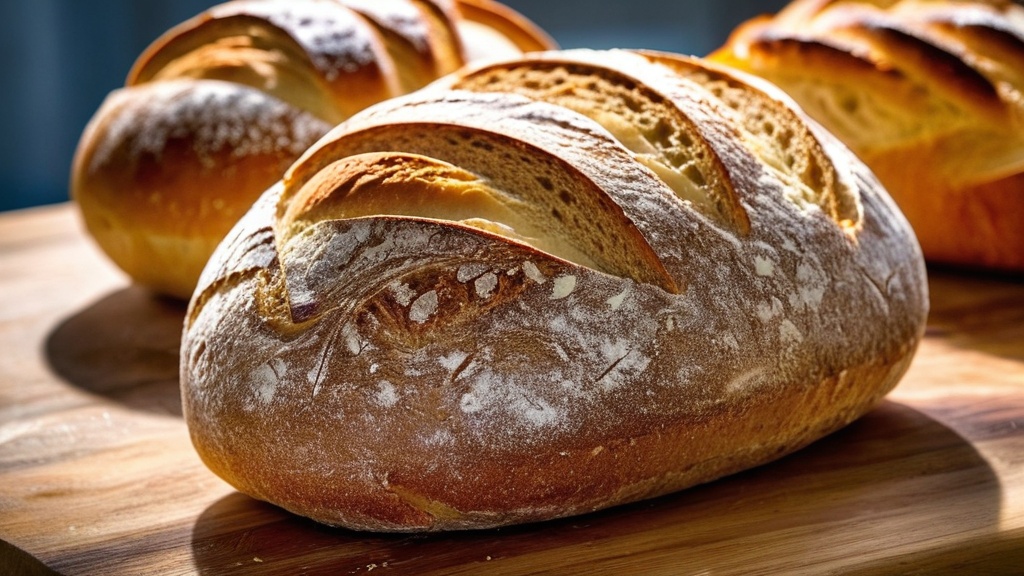
Making sourdough panettone is an art form that requires patience and practice, but fear not! With my step-by-step guide, you’ll be well on your way to creating your own masterpiece. First things first: you need a healthy sourdough starter.
If you don’t have one yet, start by mixing equal parts flour and water and let it ferment for about five to seven days until it’s bubbly and active. Once your starter is ready, gather your ingredients: flour, sugar, butter, eggs, milk, candied fruits, and a pinch of salt. Begin by mixing your starter with flour and water to create a dough.
Knead it until it’s smooth and elastic—this is where you can channel your inner baker! Let it rise until doubled in size, which usually takes about 4-6 hours depending on the temperature of your kitchen. After the first rise, gently deflate the dough and add in your sugar, butter, eggs, milk, and salt.
Knead again until everything is well incorporated. Now comes the fun part: fold in your candied fruits! Shape the dough into a ball and place it in a panettone mold or a tall cake tin lined with parchment paper.
Allow it to rise again until it reaches the top of the mold—this can take another 4-6 hours. Finally, preheat your oven to 350°F (175°C) and bake your panettone for about 45-60 minutes or until golden brown. A toothpick inserted into the center should come out clean.
Once baked, let it cool upside down to maintain its height and texture. Voilà! You’ve just made sourdough panettone!
The Ingredients That Make Sourdough Panettone Unique
The magic of sourdough panettone lies in its unique combination of ingredients that contribute to its flavor and texture. First up is the flour—high-quality bread flour is essential for developing gluten structure, which gives panettone its characteristic airy crumb. Some bakers even mix in a bit of whole wheat flour for added depth of flavor.
Next is the sourdough starter itself. Unlike commercial yeast, sourdough brings a complex tanginess that enhances the overall taste of the bread. This natural fermentation process not only adds flavor but also improves digestibility.
Then we have sugar—both granulated sugar and honey are often used to sweeten the dough while also helping with browning during baking. Butter is another key player in this recipe; it adds richness and moisture that keeps the panettone tender. Eggs contribute to the structure and color of the bread while also enriching its flavor profile.
Finally, let’s not forget about those delightful add-ins like candied fruits and nuts! They provide bursts of sweetness and texture that elevate each bite into something truly special.
Tips and Tricks for Perfecting Your Sourdough Panettone
Now that you’re armed with the basics of making sourdough panettone, let’s dive into some tips and tricks that will help you achieve perfection! First off, pay attention to your dough’s hydration level. Sourdough panettone typically has a higher hydration than regular bread dough—around 65-70%.
This means it will be stickier but will yield a lighter crumb when baked. Don’t be afraid to get your hands messy; just keep some flour nearby for dusting! Another important tip is to ensure your sourdough starter is at its peak activity before using it in your dough.
A bubbly and well-fed starter will give your panettone the lift it needs during fermentation. If you’re unsure about your starter’s readiness, perform the “float test” by dropping a small spoonful into water; if it floats, you’re good to go! Timing is also crucial when making sourdough panettone.
Be patient during each rise; rushing this process can lead to dense bread. If you’re short on time, consider using a cold fermentation method by placing your shaped dough in the fridge overnight for a slow rise—this can enhance flavor too! Lastly, don’t skip the cooling step after baking; letting your panettone cool upside down helps maintain its height and prevents collapsing.
Sourdough Panettone Variations: Traditional and Modern Flavors
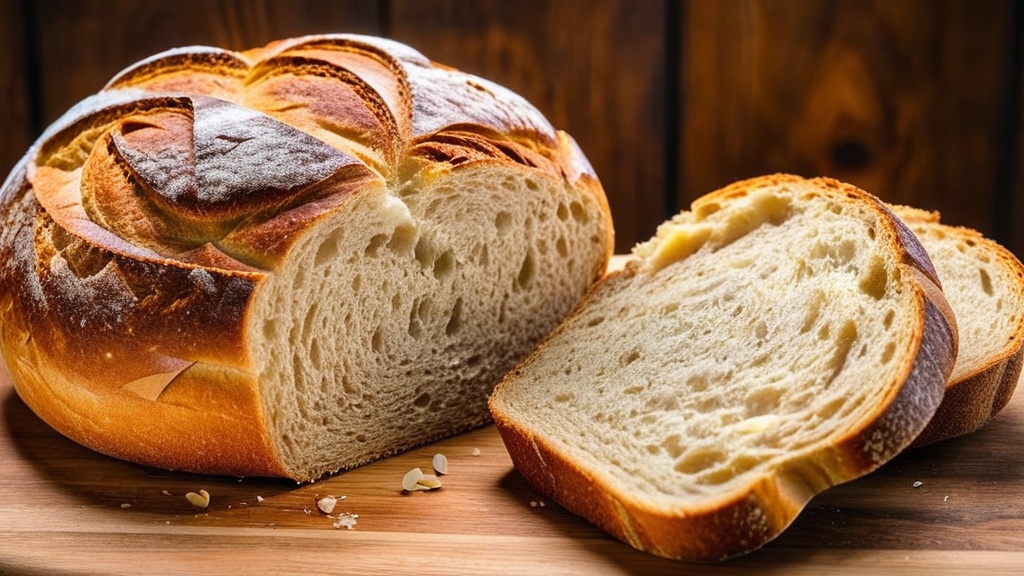
While traditional panettone is often filled with candied orange peel, raisins, and almonds, there’s no limit to how creative you can get with flavors! For those who love experimenting in the kitchen, consider adding chocolate chips or chunks for a decadent twist on this classic treat. Dark chocolate pairs beautifully with orange zest for an indulgent combination that will have everyone coming back for seconds.
If you’re feeling adventurous, try incorporating spices like cinnamon or cardamom into your dough for an aromatic touch that evokes holiday warmth. For a modern spin on flavors, consider using seasonal fruits like cranberries or figs instead of traditional candied fruits—these can add a refreshing tartness that balances out the sweetness. Don’t forget about savory options too!
Some bakers have started creating savory versions of panettone by adding cheese or herbs into the mix. Imagine slicing into a warm loaf filled with gooey cheese and fragrant rosemary—perfect for serving alongside charcuterie boards during festive gatherings!
Serving and Enjoying Sourdough Panettone: Pairings and Presentation
Once you’ve mastered making sourdough panettone, it’s time to think about how to serve this beautiful creation! Presentation matters when it comes to impressing your guests; consider placing your panettone on a decorative cake stand or platter to showcase its lovely dome shape. Dusting it lightly with powdered sugar adds an elegant touch that makes it look even more inviting.
When it comes to pairings, there are plenty of delicious options! A classic choice is serving slices with a glass of sweet dessert wine like Vin Santo or Moscato—these wines complement the sweetness of the bread beautifully. For coffee lovers, pairing slices with freshly brewed espresso or cappuccino creates a delightful contrast between flavors.
Don’t forget about toppings! A smear of mascarpone cheese or whipped cream can elevate each bite into something truly indulgent. You could also serve it alongside fresh fruit or preserves for added freshness—think strawberries or apricot jam!
The key is to create an experience that highlights both the flavors of your sourdough panettone and enhances its festive spirit.
The Future of Sourdough Panettone: Innovations and Trends in Italian Baking
As we look ahead to the future of sourdough panettone, it’s clear that innovation is at play in Italian baking! With an increasing focus on sustainability and local ingredients, many bakers are experimenting with ancient grains like spelt or einkorn flour to create unique flavor profiles while supporting biodiversity in agriculture. Additionally, there’s been a rise in gluten-free options as more people seek alternatives due to dietary restrictions.
Creative bakers are developing gluten-free sourdough panettone recipes using alternative flours like almond or coconut flour without sacrificing taste or texture. Finally, social media has played a significant role in shaping trends within baking communities worldwide. Home bakers are sharing their own takes on traditional recipes through platforms like Instagram and TikTok—sparking creativity among enthusiasts everywhere!
As we embrace these innovations while honoring tradition, one thing remains certain: sourdough panettone will continue to delight taste buds for generations to come!
If you’re interested in perfecting your baking skills, you might find the article on Mastering the Art of Sourdough: Tips for Perfect Loaves Every Time particularly helpful. This resource offers valuable insights and techniques that can enhance your sourdough baking experience, making it easier to create delicious breads like the Sourdough Panettone, the ultimate Italian Christmas bread.
Get your perfect Sour Dough Ratio!
FAQs
What is Panettone?
Panettone is a traditional Italian Christmas bread known for its tall, dome-shaped appearance and soft, airy texture. It is typically flavored with candied fruits, raisins, and citrus zest.
How does sourdough affect Panettone?
Using sourdough as a natural leavening agent in Panettone enhances the bread’s flavor complexity, adds a slight tanginess, and improves its texture and shelf life compared to commercial yeast.
What ingredients are essential for making sourdough Panettone?
Key ingredients include sourdough starter, flour, sugar, eggs, butter, milk, salt, and traditional additions like candied orange peel, raisins, and sometimes vanilla or citrus zest.
How long does it take to make sourdough Panettone?
Making sourdough Panettone is a lengthy process that can take several days, including time for preparing the starter, multiple dough rises, shaping, and baking.
Can sourdough Panettone be made without a sourdough starter?
While traditional Panettone can be made with commercial yeast, sourdough Panettone specifically requires an active sourdough starter to achieve its characteristic flavor and texture.
What is the best way to store sourdough Panettone?
Sourdough Panettone should be stored in an airtight container or wrapped tightly in plastic wrap at room temperature to maintain freshness. It can also be frozen for longer storage.
Is sourdough Panettone gluten-free?
No, traditional sourdough Panettone is made with wheat flour and is not gluten-free.
Can sourdough Panettone be made vegan?
Traditional recipes include eggs and butter, but vegan versions can be made by substituting these ingredients with plant-based alternatives, though this may alter the texture and flavor.
What makes Panettone different from other Christmas breads?
Panettone is distinguished by its unique tall, domed shape, light and fluffy crumb, and the inclusion of candied fruits and raisins, setting it apart from denser holiday breads.
Where does Panettone originate from?
Panettone originates from Milan, Italy, and has become a popular Christmas bread throughout Italy and around the world.

